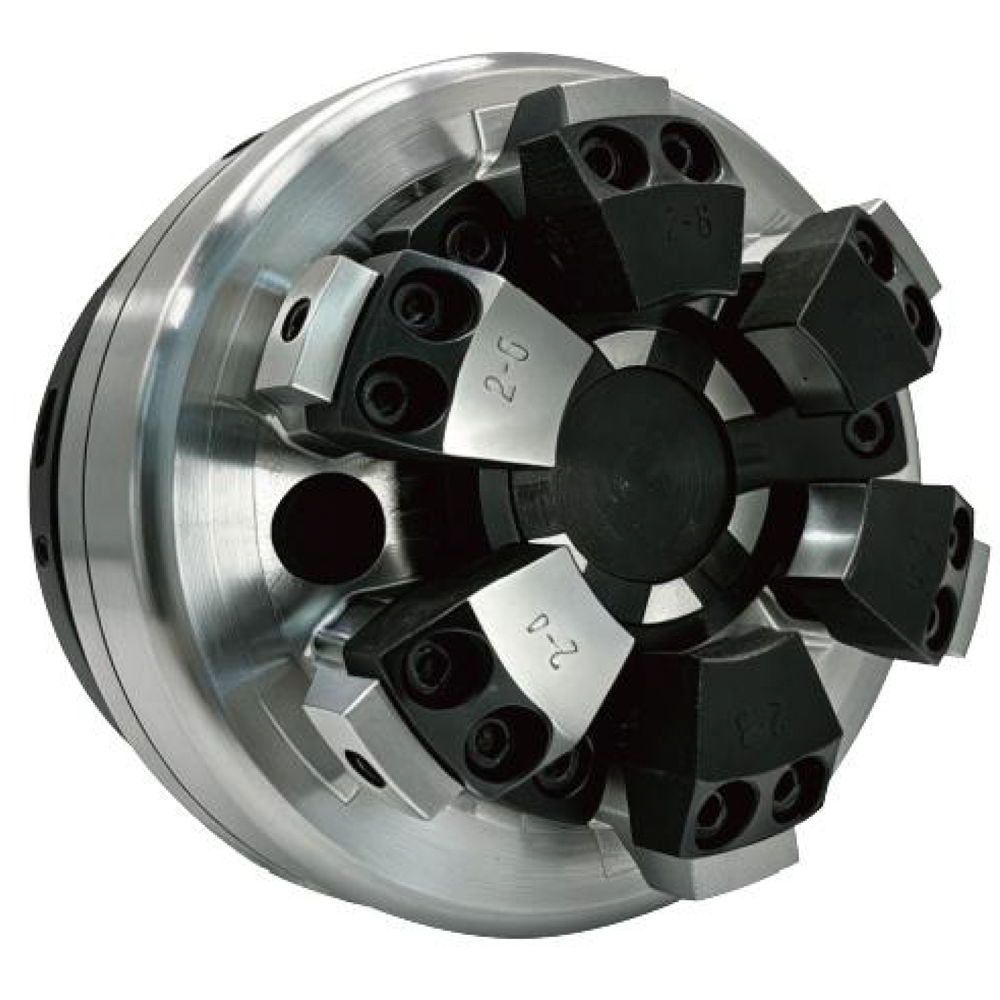
Jaw-Type Diaphragm Chuck
Uses a diaphragm mechanism to drive the jaws elastically, helping improve repeatability in suitable finishing operations.
Elastic precision clamping for thin-wall parts, easily marked surfaces and repeat finishing operations.
KORRETTO diaphragm chucks use elastic diaphragm deformation to provide controlled clamping and release. They are suitable for thin-wall parts, easily marked workpieces and precision finishing operations where repeatability and low deformation are important. This category includes jaw-type diaphragm chucks, fixed diaphragm chucks, diaphragm collets and rear-actuated passive diaphragm chucks.
Uses a diaphragm mechanism to drive the jaws elastically, helping improve repeatability in suitable finishing operations.
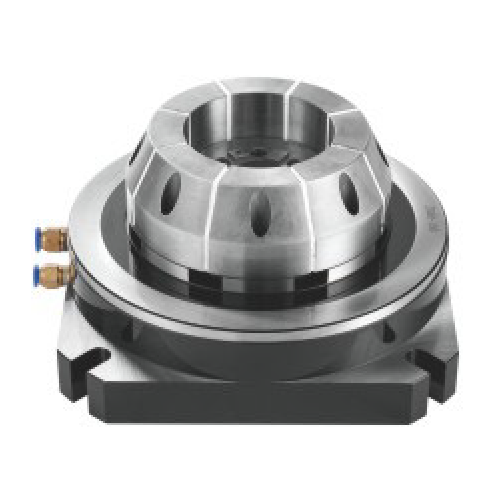
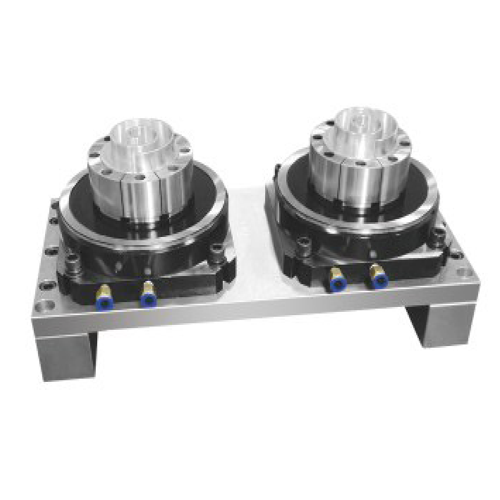
Used when the diaphragm clamping unit is installed as a fixed solution for repeated workholding.
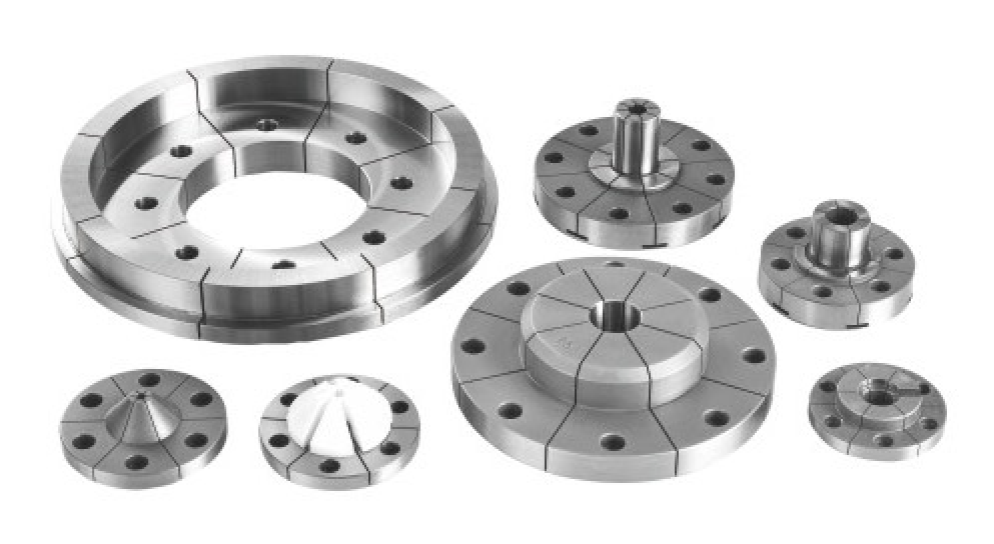
Used as a diaphragm-style clamping component where elastic repeatable clamping is required.
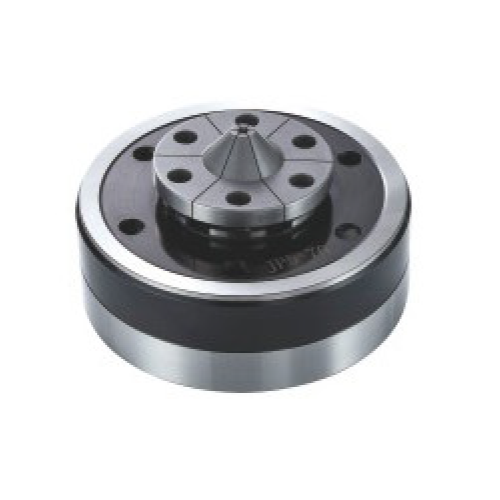
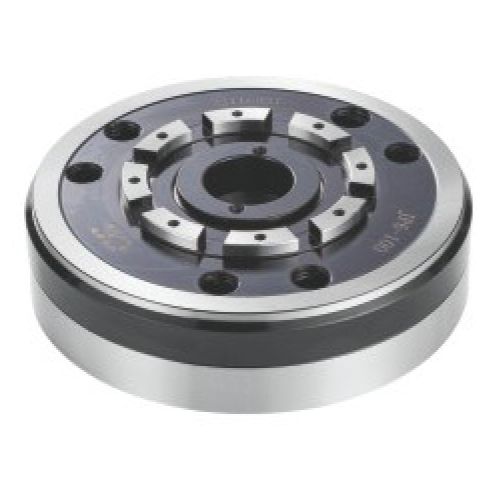
Rear actuation keeps the front area more compact and can be selected when front-end space is limited.
| Requirement | Start with |
|---|---|
| Precision external clamping with elastic jaw motion | Jaw-Type Diaphragm Chuck |
| Fixed-station repeat clamping | Fixed Diaphragm Chuck |
| Diaphragm-style collet component | Diaphragm Collet |
| Compact front area or rear actuation | Rear-Actuated Passive Diaphragm Chuck |
| Thin-wall or easily marked workpiece | Diaphragm Chucks / Rubber-Flex Collets |
| Heavy roughing | Hydraulic Chuck or another stronger workholding option |
A diaphragm chuck uses elastic diaphragm deformation to clamp and release the workpiece. It is often used for precision finishing and repeatable low-deformation clamping.
In many workholding discussions, membrane chuck is used to describe the same general elastic clamping product type. KORRETTO uses diaphragm chuck for these precision elastic clamping products, and the exact structure should be selected from the workpiece drawing, clamping surface and machine layout.
Thin-wall parts, easily marked workpieces and parts requiring repeatable finishing clamping are typical candidates.
A diaphragm chuck clamps through elastic diaphragm deformation. A rubber flex collet uses segmented metal and rubber connection to provide flexible surrounding contact. The better choice depends on deformation risk, contact surface and accuracy requirement.
It is a diaphragm chuck actuated from the rear side, allowing the front clamping area to remain compact for certain machine or fixture layouts.
Send the workpiece drawing, material, wall thickness, clamping surface, required repeatability, spindle nose or fixture interface and machining process.