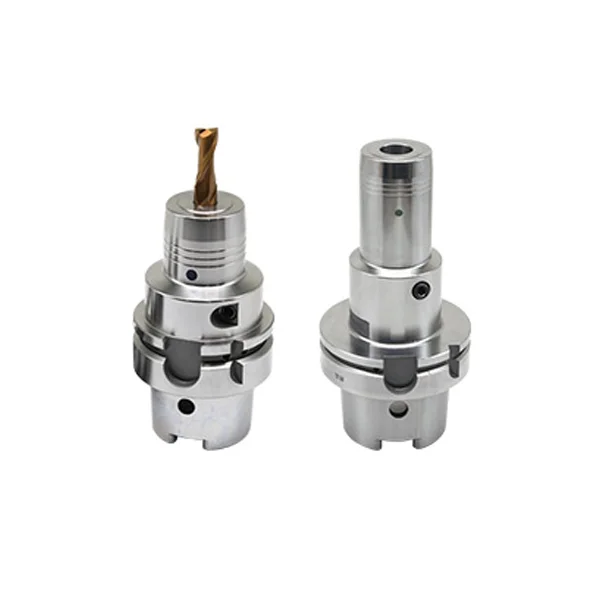
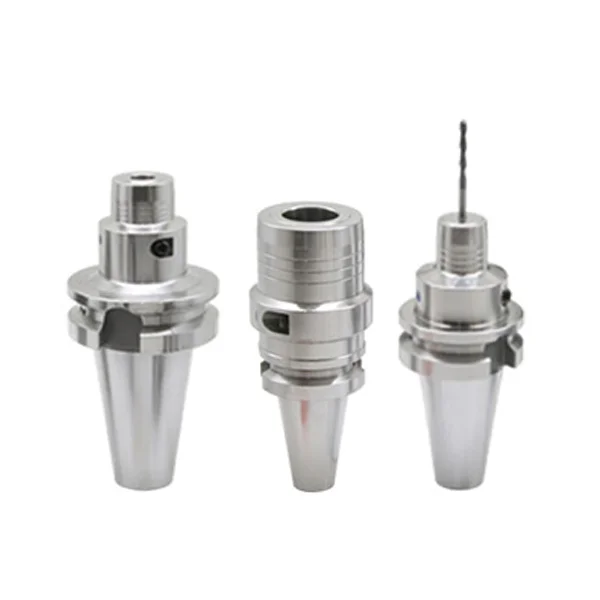
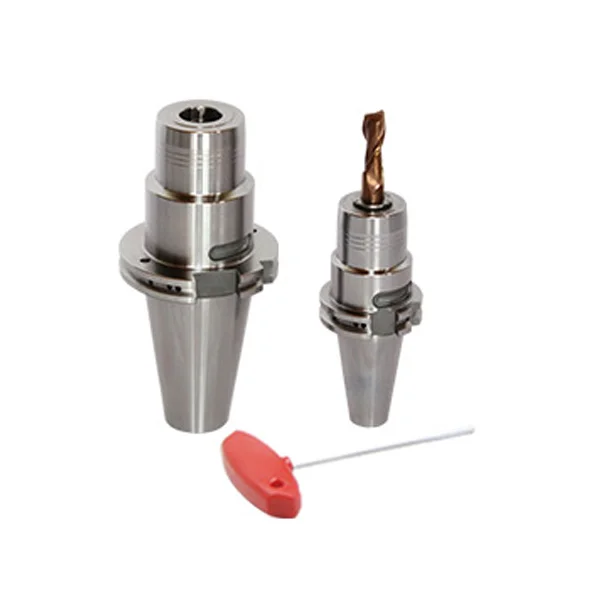
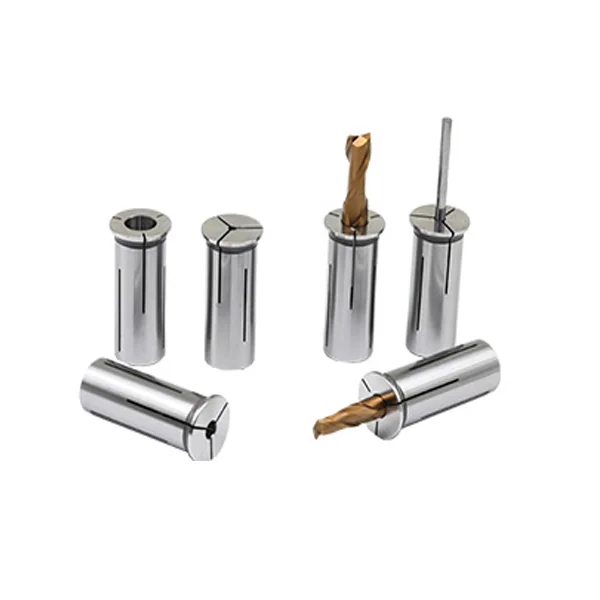
Hydraulic tool holders and reduction sleeves for precision milling, drilling and finishing operations. KORRETTO supplies HSK, BT / BBT and SK hydraulic tool holder systems for machining centers that require stable clamping, low runout and repeatable tool changes.
Not sure which taper or sleeve size fits your spindle and tool shank? Send the spindle interface, tool diameter, machining process and accuracy requirement, and we will help check the suitable holder series.
Browse CNC Tool Holders by Series
Select the tool holder series according to the spindle interface, tool shank diameter, machining process and required rigidity. For hydraulic holders, the taper type and reduction sleeve combination should be confirmed together.
High-speed machining centers, precision milling, drilling and finishing operations
HSK hydraulic tool holders provide stable tool clamping and high repeatability for machining centers that require balanced performance at higher spindle speeds. They are suitable for small-diameter tools, finishing cuts and precision machining processes.
General machining centers, milling, drilling and precision tool clamping
BT and BBT hydraulic tool holders are used on machining centers that require reliable tool clamping, good rigidity and repeatable tool changes. Standard and slim configurations can be selected according to tool access and machining space.
DIN 69871 spindle systems, milling, drilling and high-accuracy machining
SK hydraulic tool holders are designed for DIN 69871 spindle interfaces and provide stable clamping for milling, drilling and finishing applications. They are suitable for workshops that use SK taper machines and need consistent tool positioning.
Tool shank diameter conversion for HSK, BT / BBT and SK hydraulic holders
Reduction sleeves allow one hydraulic holder body to clamp different tool shank diameters. They help reduce tool holder inventory while keeping stable clamping performance for milling, drilling and finishing operations.
Machining centers using HSK, BT / BBT or SK spindle interfaces
Precision milling, drilling, reaming and finishing operations
Applications requiring stable tool clamping and low runout
Tooling setups that need repeatable tool changes
Workshops using reduction sleeves to cover multiple shank diameters
May not be the first choice for
Workholding applications where a chuck or fixture is needed instead of a tool holder
Manual drilling machines that require a drill chuck
Very heavy roughing operations where mechanical milling chucks may be preferred
Cases where the spindle taper, tool shank size or tool length cannot be confirmed
Key Points for Selecting CNC Tool Holders
Before selecting a hydraulic tool holder, confirm the spindle interface, tool shank diameter, machining process and available tool length. These factors affect rigidity, runout, accessibility and long-term repeatability.
Spindle Interface
Confirm whether the machine uses HSK, BT / BBT, SK or another spindle taper. The holder must match the machine spindle and any required pull stud or retention system.
Tool Shank Diameter
Check the cutting tool shank diameter and whether a reduction sleeve is required. Sleeve selection should match both the holder bore and the tool shank.
Machining Process
Milling, drilling, reaming and finishing operations place different demands on rigidity, balance and runout. The holder series should be selected according to the main process.
Tool Reach and Clearance
For deep cavities or narrow spaces, the holder length and outer diameter are important. Slim or extended configurations may be required for better access.
Accuracy and Repeatability
For precision machining, confirm runout, balance and clamping consistency requirements. Hydraulic holders are often selected for stable tool positioning and repeatable performance.
Related Tooling and Workholding Solutions
CNC tool holders are part of the machine-side tooling system. For complete machining setups, they are often selected together with workholding chucks, collet chucks, vises and drilling accessories.
A CNC hydraulic tool holder is used to clamp cutting tools on machining centers. It helps provide stable tool holding, low runout and repeatable tool positioning for milling, drilling, reaming and finishing operations.
How do I choose between HSK, BT / BBT and SK hydraulic tool holders?
The holder must match the machine spindle interface. HSK holders are commonly used on high-speed machining centers, BT / BBT holders are widely used on general machining centers, and SK holders are used with DIN 69871 spindle systems. The final choice should be confirmed according to the machine spindle, pull stud system and machining process.
When should I use a reduction sleeve?
A reduction sleeve is used when the tool shank diameter is smaller than the holder bore. It allows one hydraulic holder to clamp different tool shank sizes while maintaining stable clamping performance.
What is the difference between a CNC tool holder and a drill chuck?
A CNC tool holder is designed to hold cutting tools in a machining center spindle with controlled accuracy and rigidity. A drill chuck is mainly used for drilling tools and general drilling applications. They are different product categories and should not be selected only by tool diameter.
Can one hydraulic holder be used for different tool diameters?
Yes, if the holder supports suitable reduction sleeves. The sleeve must match the holder bore and the tool shank diameter. For precision machining, the holder, sleeve and tool should be selected as a complete clamping combination.
What information should I provide for tool holder selection?
Please provide the machine spindle type, tool shank diameter, machining process, tool length requirement, spindle speed range and accuracy requirement. Drawings or photos of the existing holder can also help confirm the correct series.