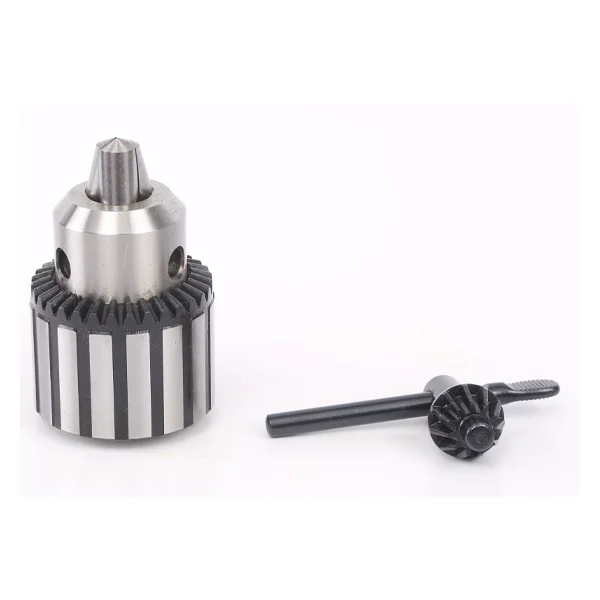
Keyed Drill Chuck
Keyed drill chucks use a chuck key to tighten the jaws around the drill bit. They are suitable for general drilling operations where secure clamping and conventional manual tightening are required.
Keyed, keyless and self-tightening drill chucks for machine tool drilling.
KORRETTO drill chucks include keyed, keyless and self-tightening drill chuck series for drilling machines, lathes, drill presses and machining setups that require reliable drill bit clamping. These drill chucks are used for standard drilling, frequent drill changes, general workshop machining and machine tool drilling applications.
Not sure whether you need a keyed drill chuck or a keyless drill chuck? Send the machine type, drill shank size, mounting interface and drilling process, and we will help check the suitable series.
Select the drill chuck series according to the machine type, drill shank size, mounting interface, arbor or adapter, tightening method and frequency of drill changes. Keyed, keyless and self-tightening drill chucks are used for different drilling conditions.
Keyed drill chucks use a chuck key to tighten the jaws around the drill bit. They are suitable for general drilling operations where secure clamping and conventional manual tightening are required.
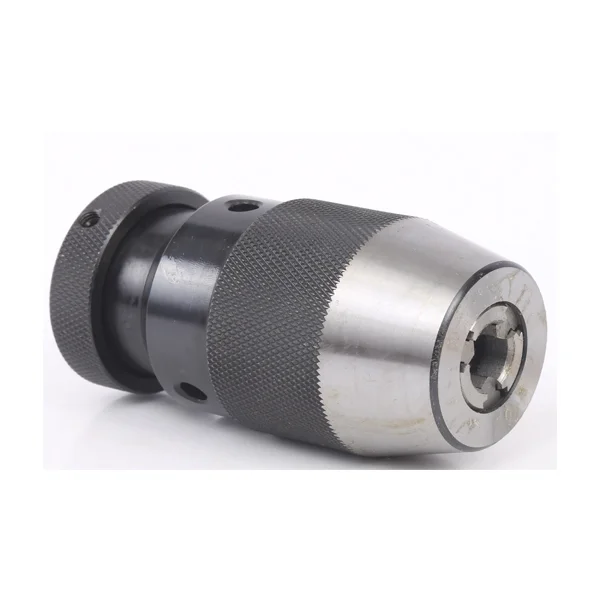
Keyless drill chucks allow drill bits to be tightened without a separate chuck key. They are suitable for applications that require faster tool changes, convenient operation and reliable drill bit holding.
Keyed drill chucks are tightened with a chuck key and are commonly used for standard drilling operations. Keyless drill chucks are tightened by hand or by their self-tightening structure, making them more convenient when drill bits are changed frequently. The final selection should match the machine interface, drill shank size and drilling load.
Send the machine type, spindle or arbor interface, drill shank range, drilling material and operating method. We can help compare keyed and keyless drill chuck options.
Before selecting a drill chuck, confirm the machine type, mounting interface, drill shank range, tightening method and drilling load. These factors determine whether a keyed or keyless drill chuck is more suitable.
Keyed drill chucks use a chuck key for manual tightening. Keyless drill chucks are selected when faster tool changes and easier operation are needed.
Confirm whether the drill chuck uses a taper, threaded mount or adapter system. The mounting interface must match the machine spindle or arbor.
Check the supported drill shank diameter range. The selected chuck should cover the drills used in the actual process.
For heavier drilling or tougher materials, confirm the chuck’s clamping capacity and operating limits before selection.
| Drill Chuck Type | Typical Use | Key Selection Point |
|---|---|---|
| Keyed Drill Chuck | General drilling and secure manual tightening | Use when chuck-key tightening is preferred |
| Keyless Drill Chuck | Frequent drill changes and convenient operation | Use when faster tool changes are required |
| CNC Tool Holder | Machining center tool holding | Use for precision CNC tool clamping, not as a general drill chuck |
| Collet Chuck | Compact and repeatable clamping | Use when collet-based clamping is required instead of drill chuck jaws |
A drill chuck is used to hold drill bits during drilling operations. It is commonly used on drilling machines, drill presses, lathes and general workshop equipment where drill bits need to be clamped securely.
A keyed drill chuck is tightened with a chuck key. A keyless drill chuck can be tightened without a separate key, making it more convenient when drill bits are changed frequently.
Confirm the machine spindle or arbor interface before selection. Drill chucks may use taper, threaded or adapter connections, and the connection must match the machine or toolholding system.
A drill chuck is mainly used for holding drill bits in drilling operations. CNC tool holders are designed for machining center tool clamping with higher rigidity and accuracy requirements. They are different product categories.
Please provide the machine type, mounting interface, drill shank diameter range, drilling material, drilling load and whether a keyed or keyless tightening method is preferred.