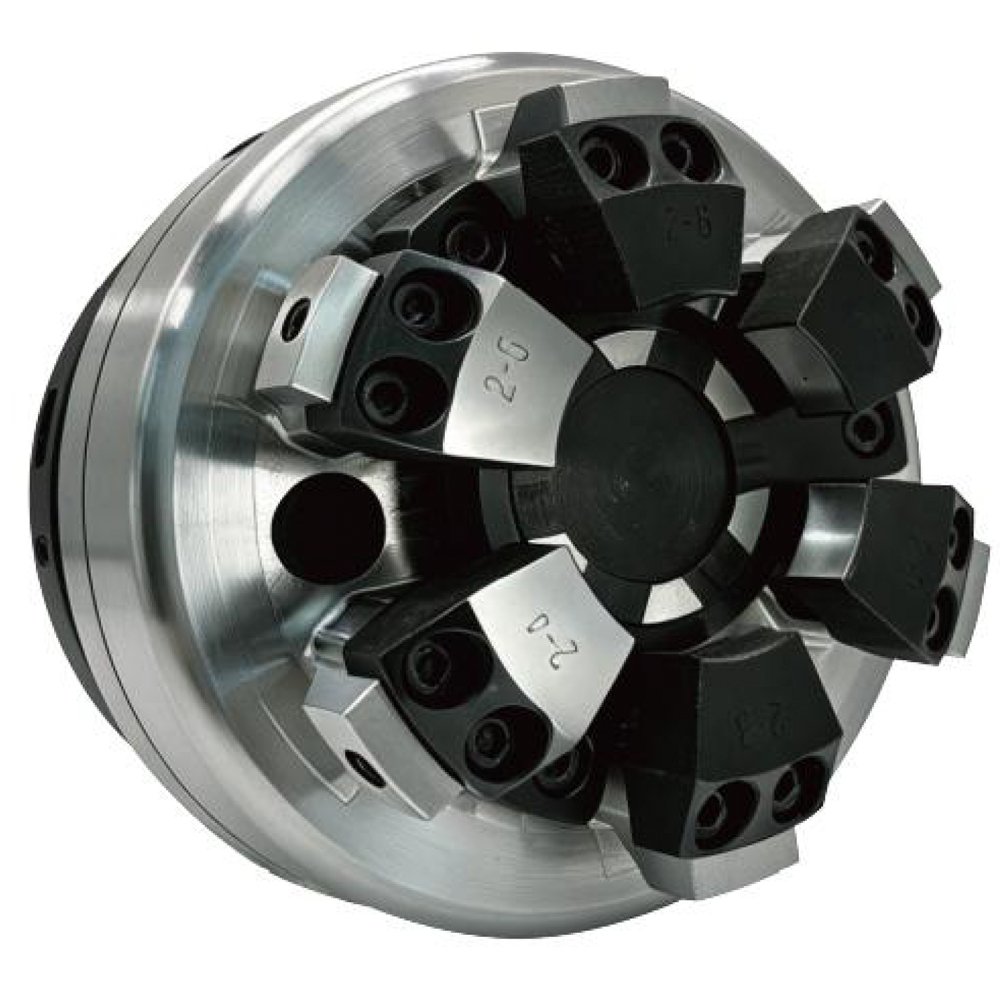
Jaw-Type Diaphragm Chuck
Uses a diaphragm mechanism to drive the jaws elastically, helping improve repeatability in suitable finishing operations.
Precision elastic diaphragm clamping for thin-wall parts, easily marked surfaces and repeat finishing operations.
KORRETTO diaphragm chucks use elastic diaphragm deformation to provide controlled clamping and release. They are suitable for thin-wall parts, easily marked workpieces and precision finishing operations where repeatable elastic clamping, low deformation and controlled contact are important. This category includes jaw-type diaphragm chucks, fixed diaphragm chucks, diaphragm collets, ultra-precision diaphragm collet chucks and rear-actuated passive diaphragm chucks.
Select a diaphragm chuck by clamping structure, workpiece wall thickness, contact surface, required repeatability, machine interface, actuation method and finishing process. Diaphragm chucks are normally reviewed for precision elastic clamping and low-deformation workholding rather than heavy roughing force.
Uses a diaphragm mechanism to drive the jaws elastically, helping improve repeatability in suitable finishing operations.
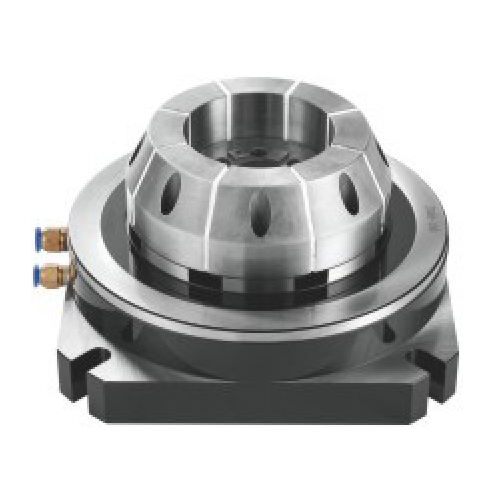
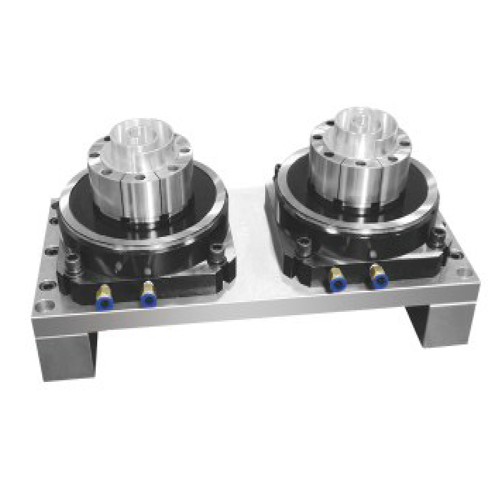
Used when the diaphragm clamping unit is installed as a fixed solution for repeated workholding.
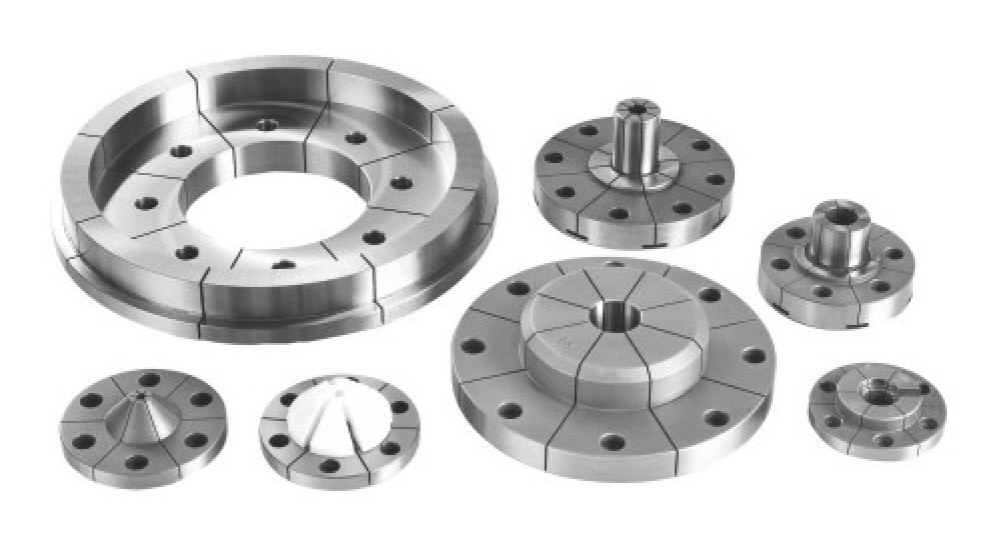
Used as a diaphragm-style clamping component where elastic repeatable clamping is required.
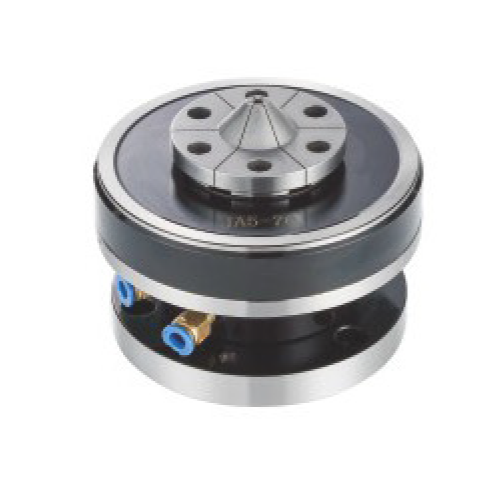
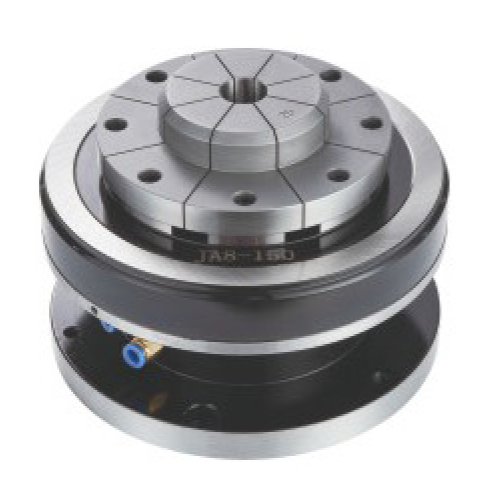
Built-in pneumatic actuation drives the diaphragm chuck and matching collet system for precision external clamping where repeatability and controlled workpiece contact matter.
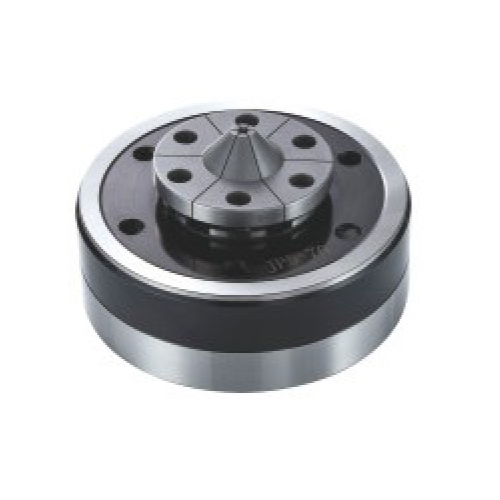
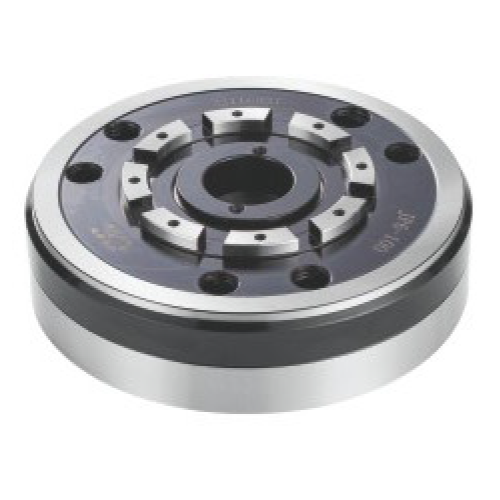
Rear actuation keeps the front area more compact and can be selected when front-end space is limited.
The JA4-60 is mounted at the front of the grinding spindle.
Read the full caseWatch on YouTubeA JA4-60 grips a sleeve-shaped part from its bore.
Read the full caseWatch on YouTubeA small-diameter part projects from the JA4-60.
Read the full caseWatch on YouTubeThis portrait clip shows the grinding spindle, chuck and wheel in one view.
Read the full caseWatch on YouTubeThe clip starts at the indicator, then moves back to show the JA5-70 and the gripped part.
Read the full caseWatch on YouTubeA sleeve is gripped from the bore and checked on its outside diameter.
Read the full caseWatch on YouTubeThe JA5-70 sits to the left of the grinding wheel, with the part extending into the working area.
Read the full caseWatch on YouTubeThe chuck is mounted at the front of the machine, with a slender part projecting down from the gripping opening.
Read the full caseWatch on YouTubeThis tutorial follows the setup from mounting the chuck to finish-grinding its diaphragm collet.
Read the full caseWatch on YouTube| Requirement | Start with |
|---|---|
| Precision external clamping with elastic jaw motion | Jaw-Type Diaphragm Chuck |
| Fixed-station repeat clamping | Fixed Diaphragm Chuck |
| Diaphragm-style collet component | Diaphragm Collet |
| Built-in pneumatic cylinder for ultra-precision OD clamping | Ultra-Precision Diaphragm Collet Chuck with Built-in Pneumatic Cylinder |
| Compact front area or rear actuation | Rear-Actuated Passive Diaphragm Chuck |
| Thin-wall or easily marked workpiece | Diaphragm Chucks / Rubber-Flex Collets |
| Heavy roughing | Hydraulic Chuck or another stronger workholding option |
A diaphragm chuck uses elastic diaphragm deformation to clamp and release the workpiece. It is often used for precision finishing, repeatable elastic clamping and low-deformation workholding of thin-wall or easily marked parts.
In many workholding discussions, membrane chuck is used to describe the same general elastic clamping product type. KORRETTO uses diaphragm chuck for these precision elastic clamping products, and the exact structure should be selected from the workpiece drawing, clamping surface and machine layout.
Thin-wall parts, easily marked workpieces and parts requiring repeatable finishing clamping are typical candidates.
A diaphragm chuck clamps through elastic diaphragm deformation. A rubber flex collet uses segmented metal and rubber connection to provide flexible surrounding contact. The better choice depends on deformation risk, contact surface and accuracy requirement.
It is a diaphragm chuck actuated from the rear side, allowing the front clamping area to remain compact for certain machine or fixture layouts.
Send the workpiece drawing, material, wall thickness, clamping surface, required repeatability, spindle nose or fixture interface and machining process.