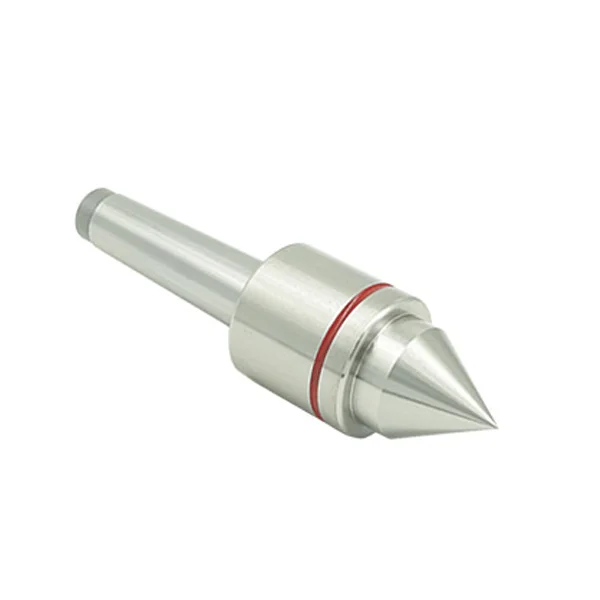
Light-Duty Live Center
Light-duty live centers are used for small and light workpieces where stable rotating support is required from the tailstock. They are suitable for light turning operations and compact shaft-type parts.
Live centers, dead centers and tailstock support for shaft turning and grinding.
KORRETTO lathe centers include live centers, dead centers, bull nose centers and heavy-load tailstock centers for turning, grinding and shaft support applications. We supply light-duty, medium-duty, heavy-duty, waterproof, interchangeable, high-load and super-load lathe center series for different workpiece sizes, Morse taper interfaces, support loads and machining conditions.
Not sure which center type fits your workpiece and tailstock? Send the Morse taper, workpiece weight, center hole size, machining process and load requirement, and we will help check the suitable series.
Select the main lathe center type according to tailstock taper, workpiece weight, speed, accuracy and center-hole contact requirements. Live centers are used for rotating tailstock support, while dead centers are often selected for rigid support, grinding, inspection or special machining conditions.
Light-duty live centers are used for small and light workpieces where stable rotating support is required from the tailstock. They are suitable for light turning operations and compact shaft-type parts.
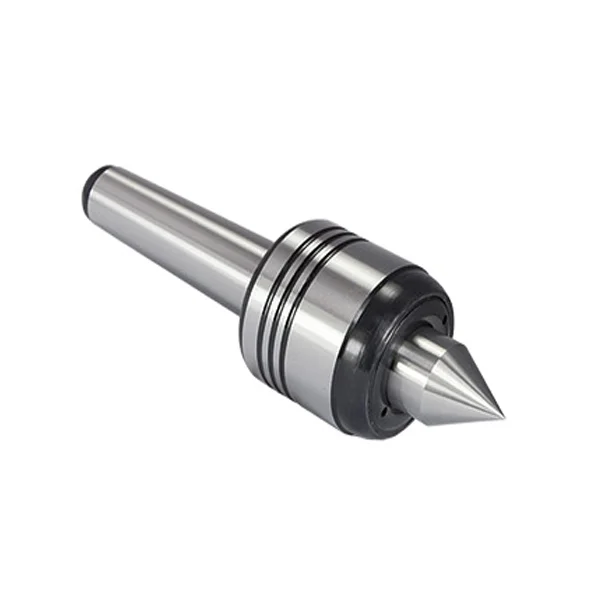
Medium-duty live centers provide balanced support capacity for common shaft and sleeve parts. They are suitable for batch turning applications where load, stability and service life must be considered together.
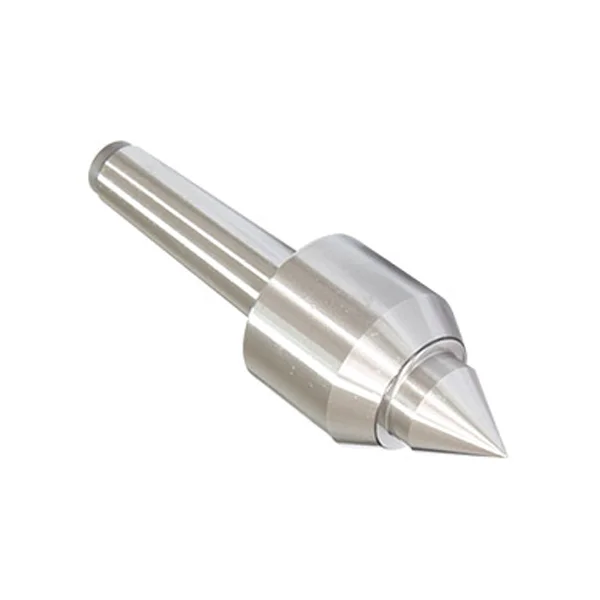
Heavy-duty live centers are designed for larger workpieces and higher tailstock loads. They help support long shafts and heavy turning operations where rigidity and stable rotation are important.
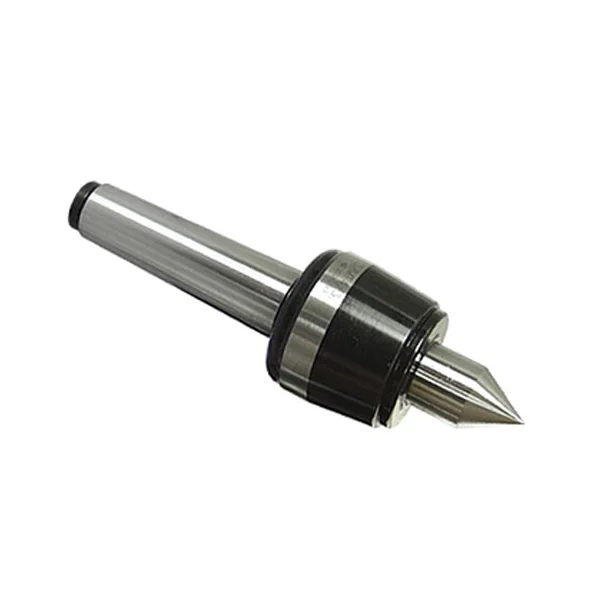
High-speed waterproof live centers are used in turning operations where coolant exposure and higher spindle speeds are common. The waterproof structure helps improve durability in wet machining conditions.
Precision heavy-duty live centers are selected for applications that require a stronger support structure while maintaining stable rotation and positioning accuracy. They are suitable for CNC turning of heavier workpieces.
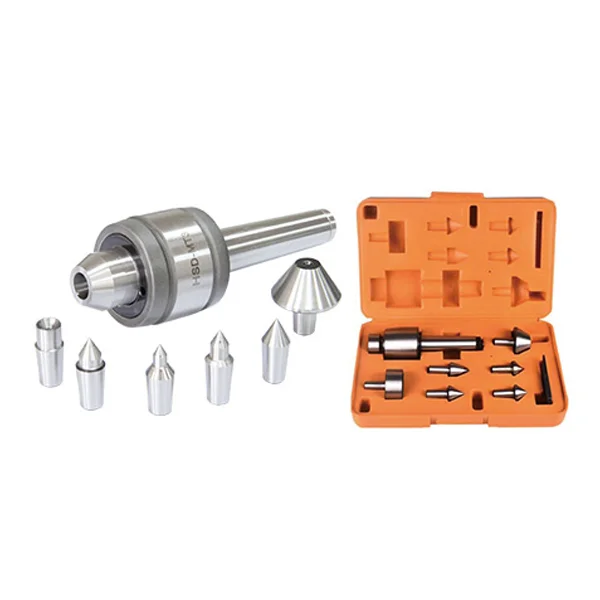
Live centers with interchangeable inserts allow different center tips to be used on one body. They are useful when workpieces have different center-hole forms or when tip replacement is needed for flexible production.
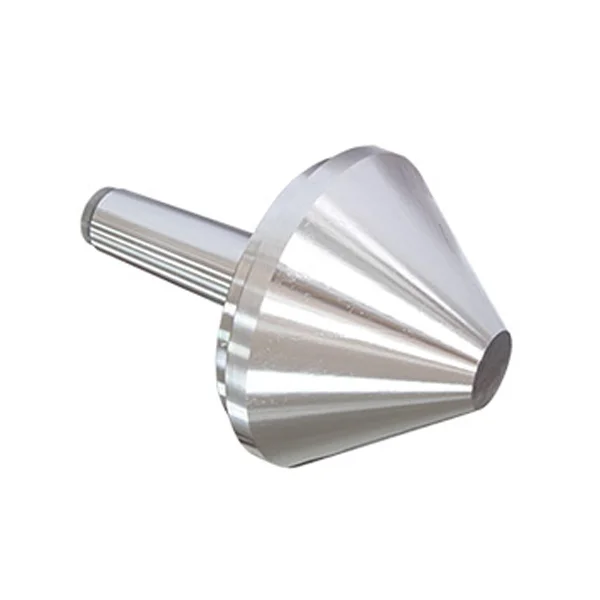
Bull nose centers provide a larger contact area than standard pointed centers. They are often used for tubes, sleeve-type parts and workpieces where a broad supporting surface is required.
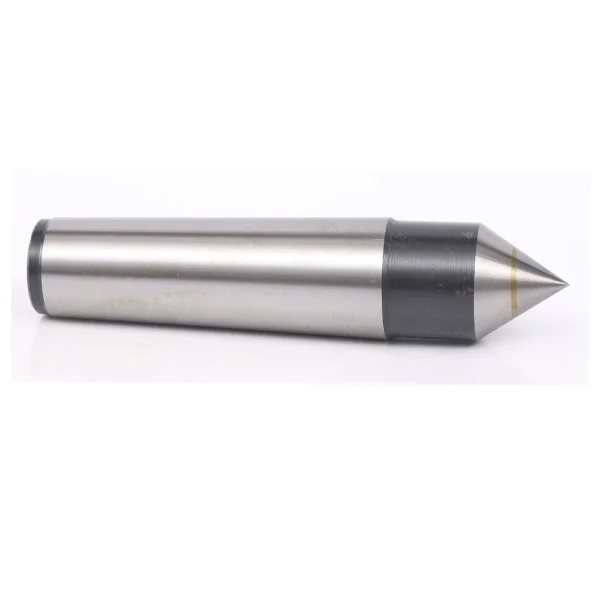
Dead centers provide fixed, non-rotating support for applications that require high rigidity. They are commonly used in grinding, inspection and machining setups where a rigid support point is preferred.
For large workpieces, special tool clearance or higher tailstock loads, use the heavy-load and special-purpose series below. These products help match the support point, contact surface and load capacity to the actual turning process.
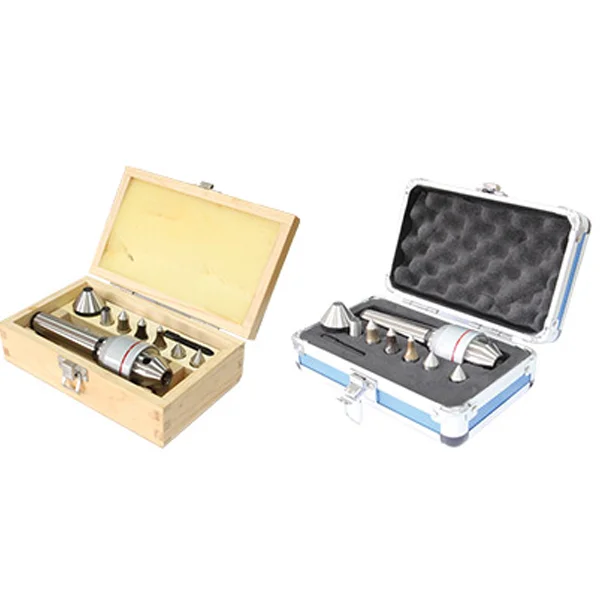
The multifunctional external rotary live center set is used for turning operations that require different support forms in one setup. It helps improve flexibility when workpiece forms and process requirements vary.
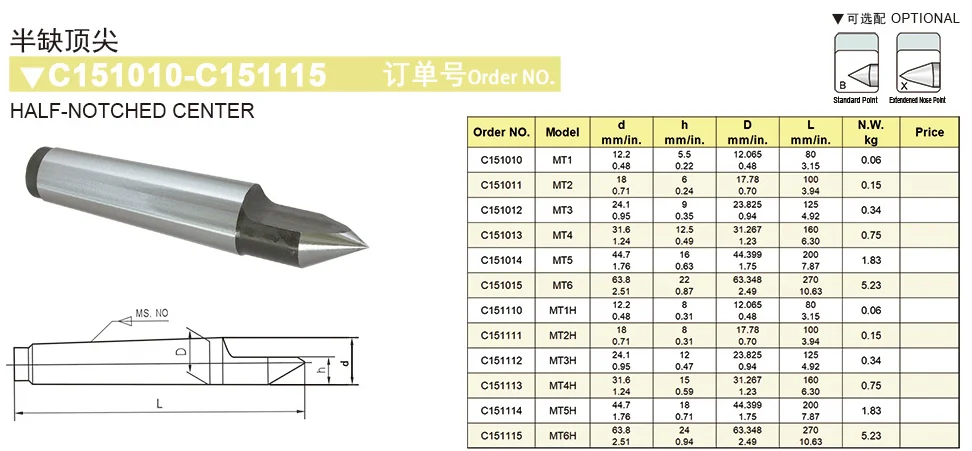
Half-notched centers provide extra clearance for tools or workpiece features that need closer access near the support point. They are selected for special turning conditions where a standard center may interfere with the tool path.
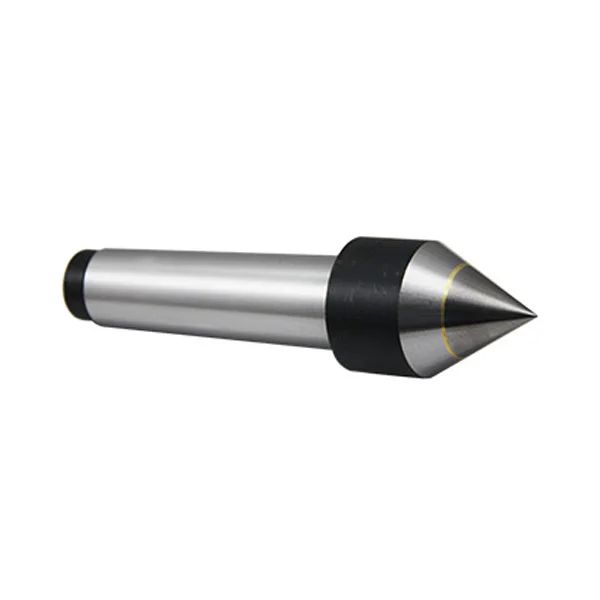
Oversized alloy dead centers are used for large workpieces and heavy-duty lathe applications. They provide strong fixed support where load capacity and rigidity are more important than rotation.
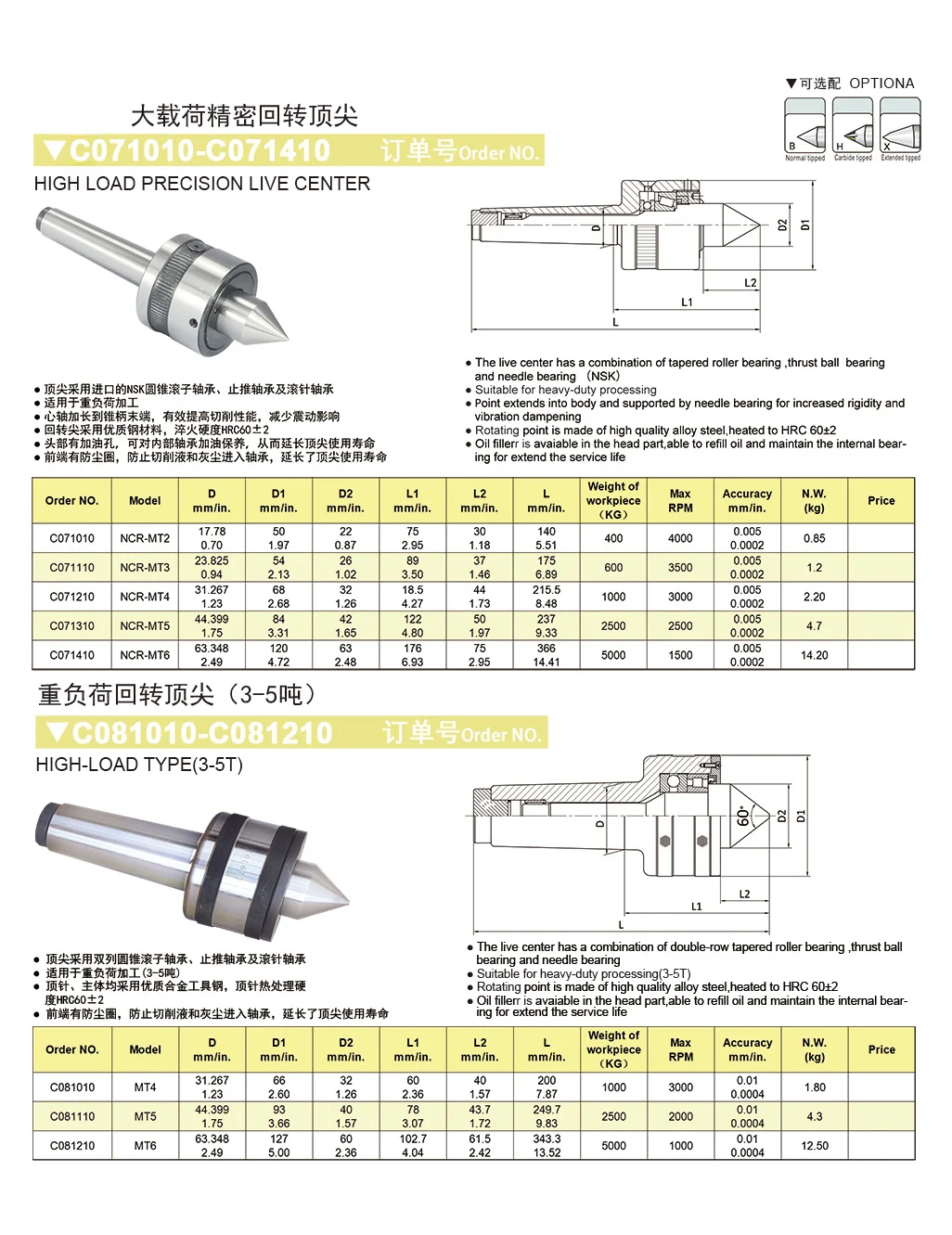
High load precision live centers are designed for turning applications that require both stronger load capacity and stable accuracy. They are suitable for heavier shafts and precision tailstock support.
High load live centers in the 3–5T range are used for heavier workpieces and long shaft parts. They provide stronger rotating support for demanding turning conditions.
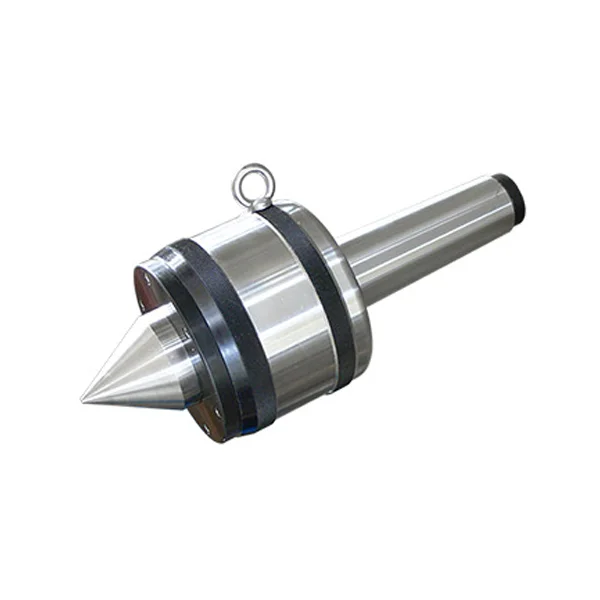
Super load live centers are designed for extra-heavy workpieces and large shaft turning. They are selected where very high tailstock load capacity and stable rotating support are required.
Before selecting a live center or dead center, confirm the tailstock taper, workpiece weight, center-hole form, machining speed and support load. These details help determine the suitable center type and load range.
Live centers rotate with the workpiece and are commonly used for turning support. Dead centers provide fixed, rigid support and are often used for grinding, inspection or special machining setups.
Match the center series to the workpiece weight and cutting load. Light, medium, heavy, high-load and super-load centers should not be selected only by workpiece diameter.
Confirm the Morse taper or machine tailstock interface before selection. The taper must match the machine, otherwise the center cannot be installed correctly.
Standard pointed centers, bull nose centers, interchangeable inserts and special centers suit different center-hole forms and contact requirements.
For higher-speed turning, coolant environments or precision requirements, waterproof, precision or heavy-duty live center series may be more suitable.
A lathe center is used to support the end of a workpiece from the tailstock side during turning, grinding or inspection. It helps keep shaft, sleeve, tube and long workpieces stable while they rotate or while they are machined between centers.
A live center rotates with the workpiece and is commonly used for turning operations. A dead center does not rotate and provides rigid fixed support, which is often used for grinding, inspection or special machining conditions.
The choice depends on workpiece weight, cutting load, shaft length, machine size and required support accuracy. Light-duty centers suit smaller workpieces, while heavy-duty and super-load centers are used for large shafts and high tailstock loads.
A bull nose center is used when the workpiece needs a larger contact area, such as tube parts, sleeve parts or parts with larger internal support surfaces. It is not the same as a standard pointed live center.
Please provide the tailstock taper, workpiece weight, center-hole size, workpiece length, machining process, speed range and load requirement. Photos or drawings of the existing center can also help confirm the correct series.
No. Different workpiece weights, center-hole forms, speeds and support loads require different live center or dead center structures. For production use, the center type should be selected according to the actual workpiece and machine conditions.