KORRETTO · Lathe center series
Dead Center
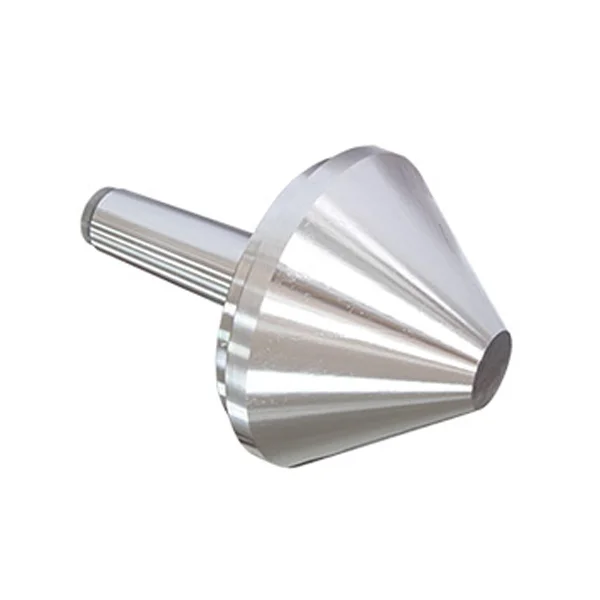
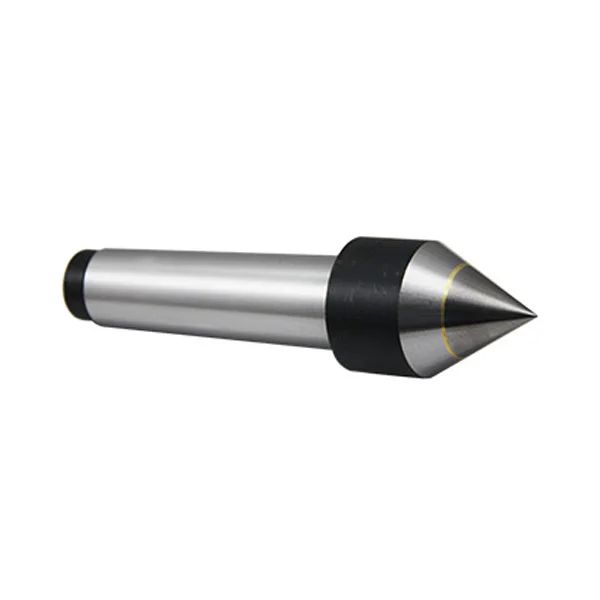
Dead centers provide fixed tailstock support without a rotating bearing structure. They are used for rigid support in turning, grinding and special machining conditions where a fixed center is preferred.
Send the Morse taper, workpiece size, support requirement, machining process and whether a standard or H-type dead center is needed, and we will help check the suitable model.
Product Overview
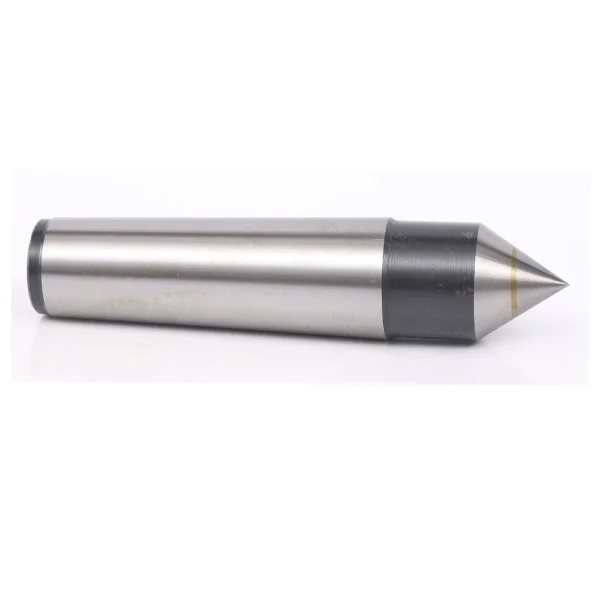
The KORRETTO dead center is designed for rigid fixed support from the tailstock or spindle side. Unlike a live center, it does not contain a rotating bearing structure and is selected when fixed support is required.
How a Dead Center Works
A dead center is a solid, non-bearing support. Its Morse-taper shank locks into the tailstock or spindle socket and the point locates the workpiece through its center hole. When the workpiece rotates while the center remains stationary, sliding occurs at the contact surface; rigidity is high, but friction, lubrication, heat and wear must be controlled. Accuracy depends on taper fit, point condition, center-hole geometry, alignment and the applied tailstock pressure.
Typical Applications
- Rigid fixed tailstock support
- Turning and grinding applications
- Workpieces requiring non-rotating center support
- Special machining conditions
- Applications requiring standard or H-type dead center models
Key Features
Fixed dead center structure
Rigid support without rotating bearing components
Suitable for turning, grinding and special machining
Standard and H-type model options
Multiple Morse taper and size options
Parameters and Dimensions
Use the dimension drawing and parameter table below to verify taper size, dimensions and key support parameters before model selection.
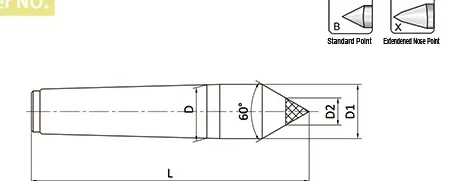
| Order No. | Model | D (mm) | D1 (mm) | D2 (mm) | L (mm) |
|---|---|---|---|---|---|
| C141010 | MT1 | 12.065 | 12.2 | - | 80 |
| C141011 | MT2 | 17.78 | 18 | - | 100 |
| C141012 | MT3 | 23.825 | 24.1 | - | 125 |
| C141013 | MT4 | 31.267 | 31.6 | - | 160 |
| C141014 | MT5 | 44.399 | 44.7 | - | 200 |
| C141015 | MT6 | 63.348 | 63.8 | - | 270 |
| C141110 | MT1H | 12.065 | 12.2 | 8 | 80 |
| C141111 | MT2H | 17.78 | 18 | 8 | 100 |
| C141112 | MT3H | 23.825 | 24.1 | 12 | 125 |
| C141113 | MT4H | 31.267 | 31.6 | 15 | 160 |
| C141114 | MT5H | 44.399 | 44.7 | 18 | 200 |
| C141115 | MT6H | 63.348 | 63.8 | 24 | 270 |
Image Gallery
Selection Notes
Before selecting a dead center, confirm the Morse taper, workpiece size, support direction, machining process and whether a standard or H-type structure is required. Dead centers provide rigid fixed support and should be selected according to the machine and workpiece requirements.
When a Dead Center Is Not Suitable
A dead center is generally unsuitable for continuous high-speed rotation when the contact cannot be lubricated and monitored, because sliding friction can generate heat and accelerate wear. Do not use it with a mismatched taper, a damaged point, an off-center or poorly formed center hole, or excessive tailstock pressure. Where lower friction, higher sustained speed or frequent production turning is required, a correctly rated live center may be more appropriate.
FAQ
What is a dead center used for?
A dead center is used for fixed support of a workpiece from the tailstock side. It is commonly selected for turning, grinding, inspection and other applications where rigid stationary support is required.
Is it a live center or a dead center?
It is a dead center. Unlike a live center, it does not rotate on internal bearings and should be used according to the required support mode and lubrication condition.
What machine taper should be confirmed?
Please confirm the tailstock taper or machine center interface before selection. The dead center must match the machine taper specification correctly.
What workpiece support condition should be checked?
Please confirm the center-hole form, workpiece weight, workpiece length and support load. These factors affect whether a dead center is suitable for the operation.
What speed or lubrication condition should be considered?
Please confirm the operating speed, lubrication method and support load. Because the center is fixed, heat generation and wear must be considered more carefully than with a live center.
How is it different from a live center?
A dead center provides rigid fixed support and does not rotate on bearings. A live center rotates with the workpiece and is commonly selected for higher-speed support conditions.
What should be checked before installation?
Check the machine taper, center-hole condition, lubrication arrangement and support alignment before installation. The contact surfaces should be clean and free from damage.
What information is needed for quotation?
Please provide the machine taper, workpiece weight, center-hole size, speed range, lubrication condition and machining process.