Magnetic chucks and magnetic workholding for grinding, milling and inspection.
Magnetic Chucks
KORRETTO magnetic chucks include electromagnetic, permanent magnetic, electro-permanent, sine, fine-pole and vacuum chuck solutions for surface grinding, milling, inspection and workpiece holding. We supply rectangular, circular, rotary, tilting and special magnetic chuck series for different workpiece materials, sizes, thicknesses and machining conditions.
Not sure which magnetic chuck fits your machine and workpiece? Send the machine type, workpiece material, size, thickness, process and holding requirement, and we will help check the suitable series.
Browse Magnetic Chucks by Series
Select the magnetic chuck series according to the workpiece material, size, thickness, contact surface, machining process and required holding force. Electromagnetic, permanent magnetic, electro-permanent, fine-pole, sine and vacuum chucks suit different machine types and production conditions.
Surface grinding, flat workpieces, plates and rectangular parts
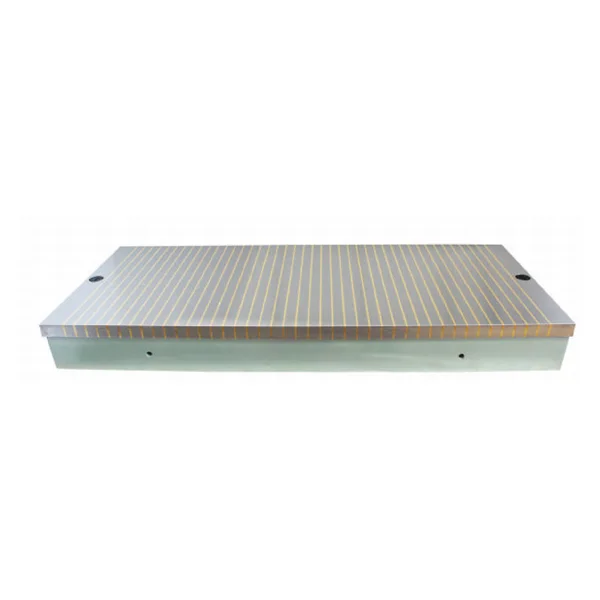
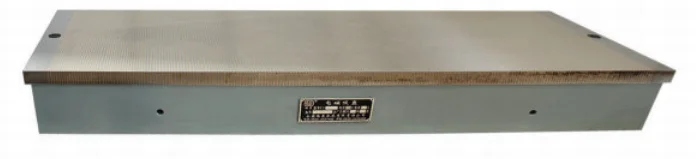
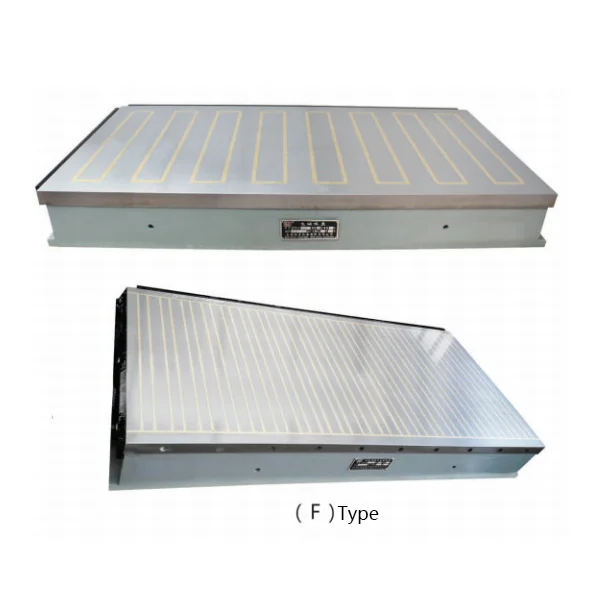
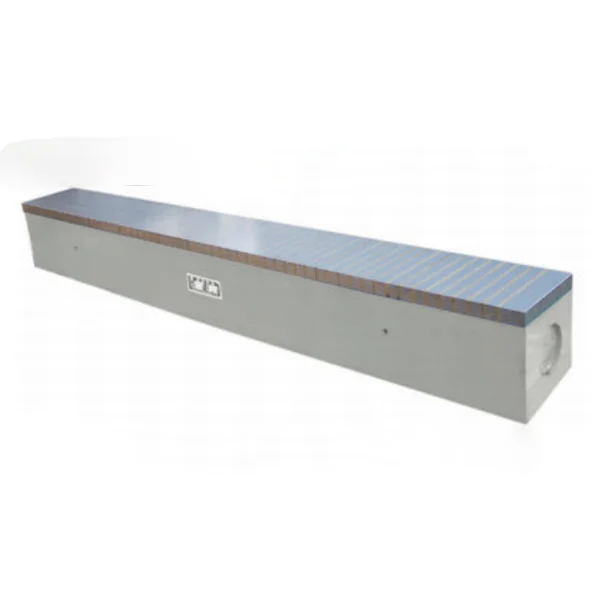
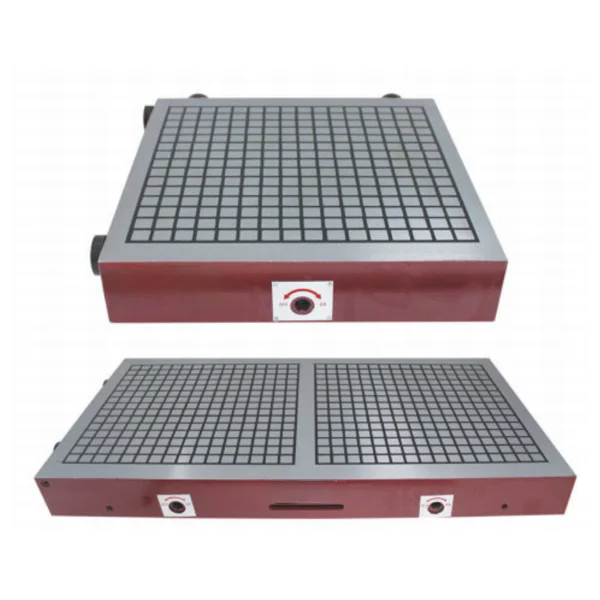
Rectangular electromagnetic chucks are used for holding flat ferromagnetic workpieces during surface grinding and related machining operations. They provide controllable magnetic holding force for plate-type and rectangular parts.
Small workpieces, thin plates and precision surface grinding
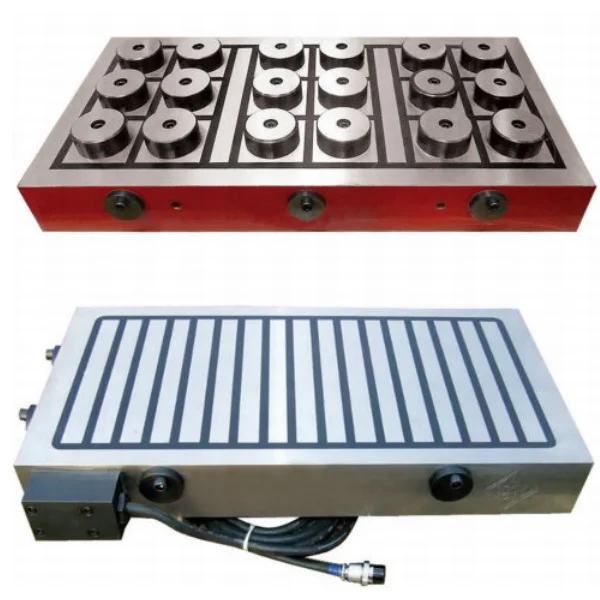
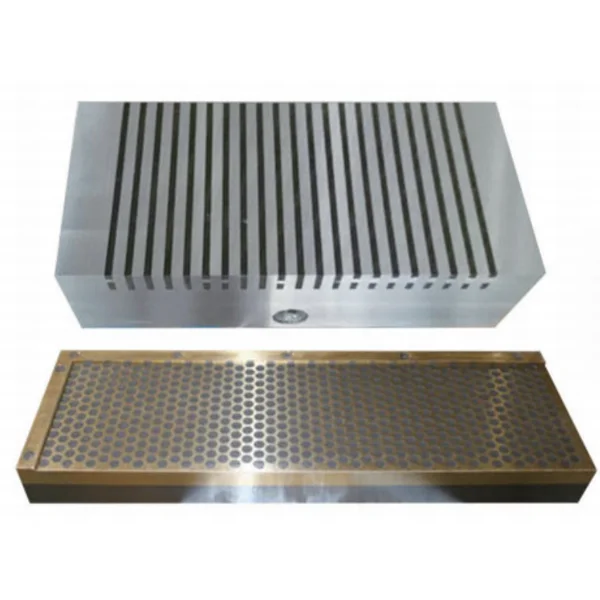
Fine pole rectangular electromagnetic chucks are used when smaller or thinner workpieces require more uniform magnetic holding. The fine pole design helps improve support for precision grinding and delicate parts.
Heavy-duty surface grinding and larger rectangular ferromagnetic workpieces
Powerful rectangular electromagnetic chucks provide stronger holding force for larger or heavier workpieces. They are suitable for demanding surface grinding and machining conditions where stable magnetic clamping is required.
Round parts, rotary grinding and disc-type workpieces
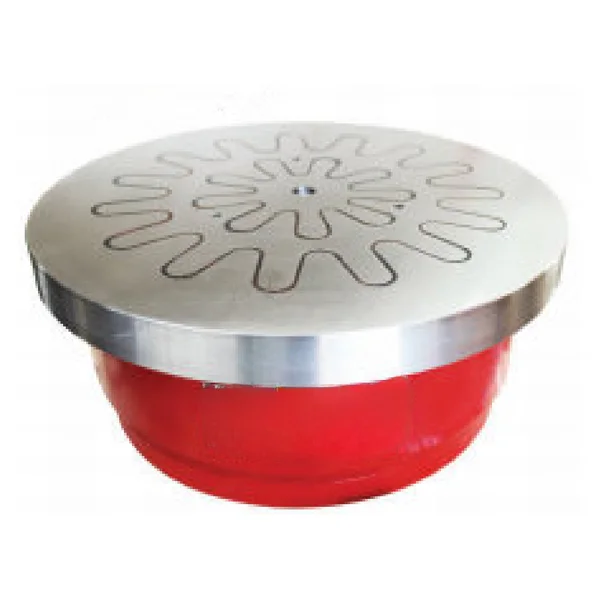
Circular electromagnetic chucks are used for holding round or disc-type ferromagnetic workpieces. They are commonly selected for rotary grinding and circular workholding applications.
Tool grinding, narrow parts, long strips and precision grinding setups
Tool grinder electromagnetic chucks are designed for tool grinding machines and narrow workpieces. They are suitable for holding long strips, cutting tools and precision parts during grinding operations.
Automated machining, milling, grinding and energy-saving magnetic holding
Electro-permanent magnetic chucks use electric activation and permanent magnetic holding. They are suitable for machining setups that require stable holding force with reduced continuous power consumption.
General grinding, inspection and manual magnetic holding
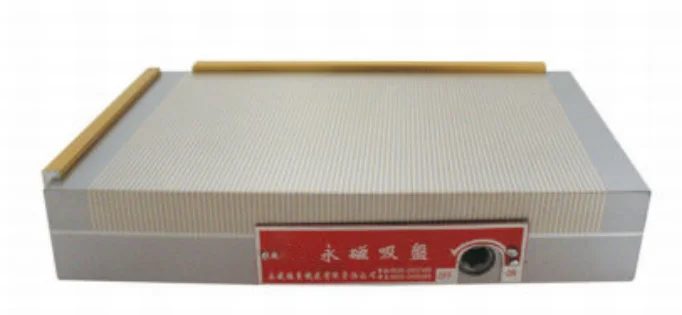
Permanent magnetic chucks provide manual magnetic holding without continuous power supply. They are commonly used for surface grinding, inspection and general workshop workholding.
Small parts, thin workpieces and precision grinding
Fine pole permanent magnetic chucks are suitable for smaller and thinner ferromagnetic parts. The fine pole structure helps improve holding stability during precision surface grinding.
Multi-angle positioning, grinding and adjustable magnetic holding
Rotary pole permanent magnetic chucks allow the pole direction to be adjusted for different workpiece shapes and holding requirements. They are used when flexible magnetic positioning is needed.
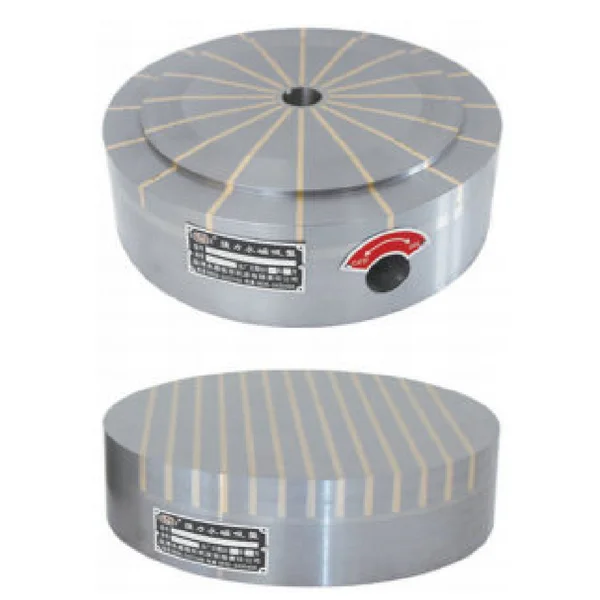
Round parts, ring-type workpieces and strong circular magnetic holding
Powerful circular permanent magnetic chucks provide strong holding force for round or ring-shaped workpieces. They are suitable for circular grinding and applications requiring stable magnetic support.
Single-angle grinding, thin parts and precision angular positioning
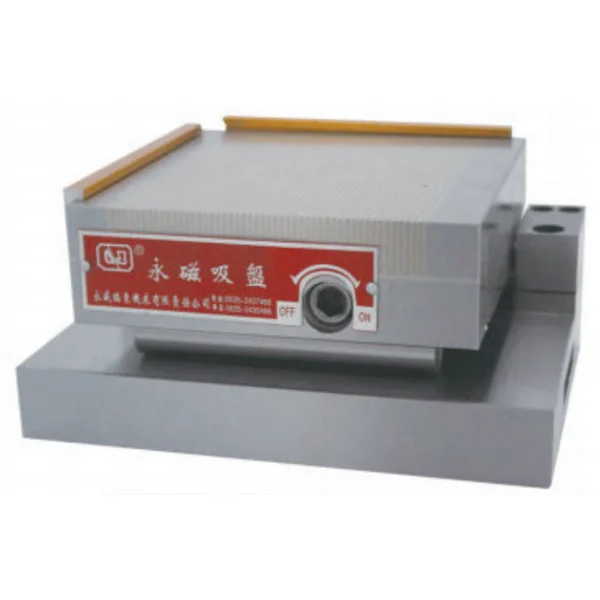
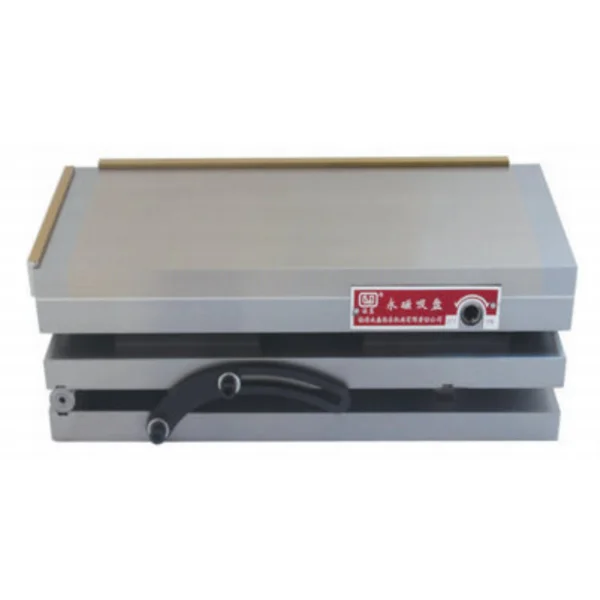
Single tilt fine pole permanent magnetic chucks combine fine-pole holding with one-direction angular adjustment. They are used for grinding parts that require a controlled tilt angle.
Angle grinding, precision sine setting and inclined workpiece holding
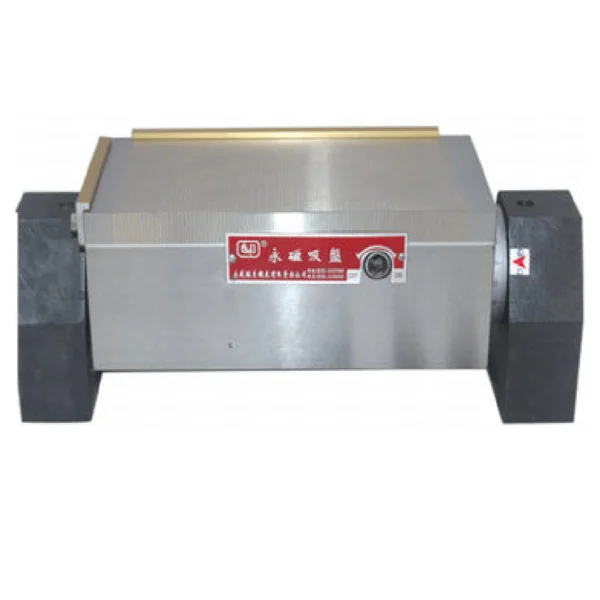
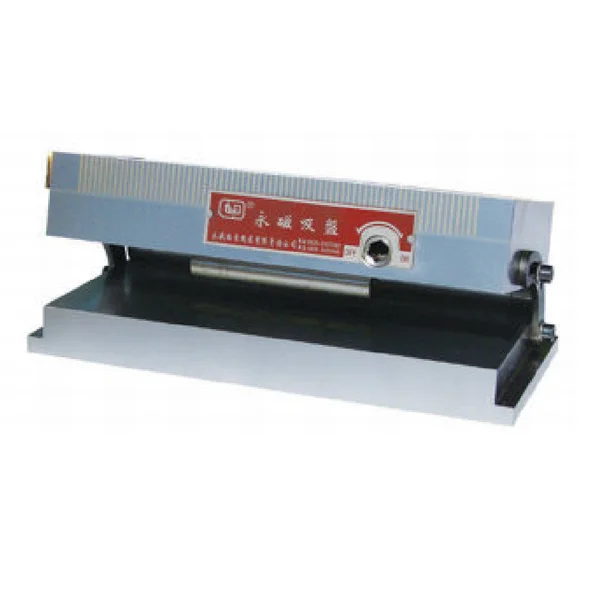
Sine permanent magnetic chucks are used for precision angle grinding. The sine mechanism allows the workpiece angle to be set accurately for inclined surfaces and angular machining.
Two-direction angle grinding and compound angular positioning
Compound sine permanent magnetic chucks support angular adjustment in two directions. They are used for workpieces that require compound angle grinding or more complex positioning.
Tungsten steel parts, small hard-metal workpieces and precision grinding
Tungsten steel special magnetic chucks are designed for holding tungsten steel and other small hard-metal workpieces. They help improve support stability for precision grinding applications.
Lifting, handling and moving ferromagnetic workpieces
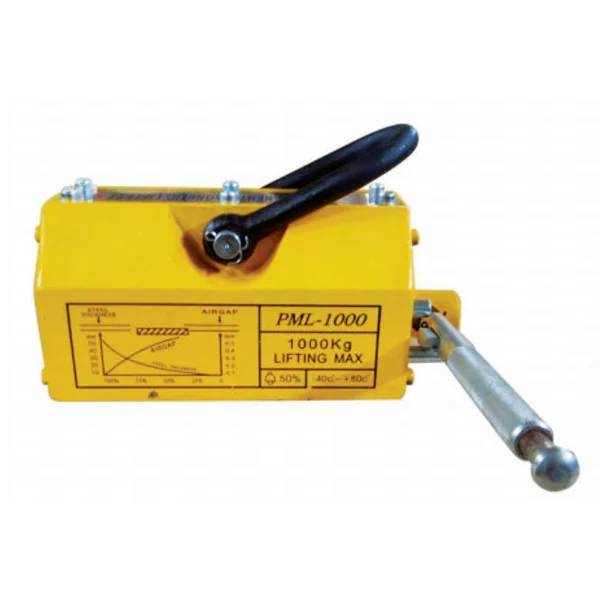
Permanent magnet lifters are used for lifting and handling ferromagnetic workpieces. They are suitable for workshop handling, material transfer and loading operations.
Non-magnetic thin plates, flat parts and vacuum workholding
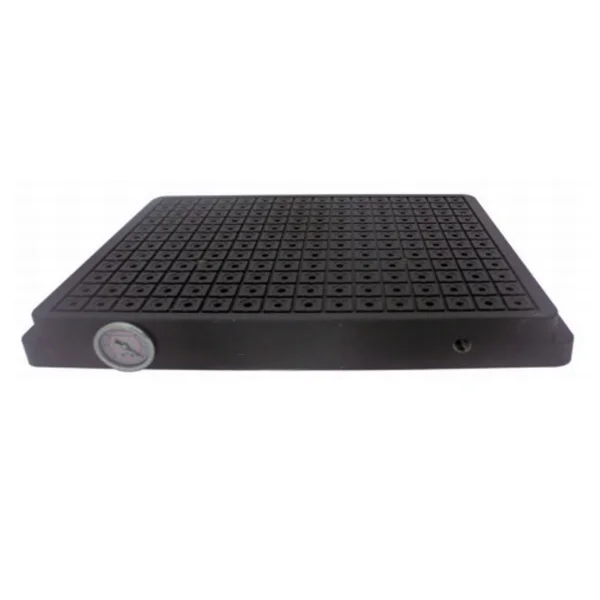
Vacuum chucks are used for holding non-magnetic or thin flat workpieces by vacuum force. They are suitable for materials and parts that cannot be held by magnetic force.
Not sure which magnetic chuck series fits your workpiece?
Send the machine type, workpiece material, dimensions, thickness, machining process and holding requirement. We can help compare electromagnetic, permanent magnetic, electro-permanent, sine, lifting and vacuum solutions.
Flat ferromagnetic workpieces used in grinding or milling
Thin plates, small parts or precision workpieces that need stable surface support
Round, ring-shaped or disc-type workpieces requiring circular magnetic holding
Angle grinding applications using sine or tilting magnetic chucks
Workshops that need magnetic lifting or non-magnetic vacuum holding solutions
May not be the first choice for
Workpieces made from non-magnetic materials, unless a vacuum chuck is selected
Irregular workpieces with very small contact areas
Applications requiring jaw clamping, collet clamping or tailstock support
Heavy cutting conditions where mechanical clamping is required
Cases where material, thickness or contact surface cannot be confirmed
Key Points for Selecting Magnetic Chucks for Grinding and Milling
Before selecting a magnetic chuck, confirm the workpiece material, size, thickness, machining process and required holding force. Different magnetic chuck structures are designed for different machine types and workpiece forms.
Magnetic or Non-Magnetic Material
Magnetic chucks are suitable for ferromagnetic materials. For non-magnetic thin plates or special materials, a vacuum chuck may be a better choice.
Workpiece Size and Thickness
Small or thin parts may require fine-pole magnetic chucks, while larger or heavier workpieces may need stronger rectangular or circular magnetic chucks.
Machine and Process
Surface grinding, rotary grinding, tool grinding, milling and lifting applications require different magnetic chuck structures.
Holding Force and Power Mode
Electromagnetic, permanent magnetic and electro-permanent chucks provide different control methods, holding forces and power requirements.
Angle and Positioning Requirements
Sine, compound sine, single tilt and rotary pole magnetic chucks are used when the workpiece angle or pole direction must be adjusted.
Contact Surface and Safety
The contact area between the workpiece and the chuck affects holding stability. For lifting or heavy workpieces, safety margin and rated load must be checked carefully.
Compare Magnetic Chuck Types
Type
Typical Use
Key Selection Point
Rectangular Electromagnetic Chuck
Surface grinding and flat ferromagnetic workpieces
Stable magnetic control for rectangular parts
Fine Pole Magnetic Chuck
Small parts and thin plates
Fine pole spacing improves support for delicate workpieces
Circular Magnetic Chuck
Round or disc-type workpieces
Use when the workpiece shape is circular or rotary
Permanent Magnetic Chuck
General grinding and manual workholding
No continuous power supply required during holding
Electro-Permanent Magnetic Chuck
Automated or energy-saving workholding
Electric activation with permanent magnetic holding
Sine / Tilt Magnetic Chuck
Angle grinding and inclined surfaces
Select according to required angle adjustment
Permanent Magnet Lifter
Lifting and handling ferromagnetic parts
Check rated load and safety factor
Vacuum Chuck
Non-magnetic thin plates and flat parts
Use when magnetic holding is not possible
Related Workholding and Machine Tool Solutions
Magnetic chucks are often selected together with other workholding and machine tool accessories depending on machine type, workpiece material and machining process.
A magnetic chuck is used to hold ferromagnetic workpieces during surface grinding, milling, inspection or handling. It provides surface holding force without mechanical jaws, which is useful for flat, round, disc-type or thin workpieces.
What is the difference between electromagnetic, permanent magnetic and electro-permanent chucks?
An electromagnetic chuck requires electric power during operation and allows magnetic force to be controlled electrically. A permanent magnetic chuck holds the workpiece without continuous power. An electro-permanent magnetic chuck uses electric activation but holds with permanent magnetic force after magnetization.
When should I choose a fine pole magnetic chuck?
Fine pole magnetic chucks are suitable for small, thin or precision workpieces that need more uniform magnetic support. They are often used in precision surface grinding applications.
Can magnetic chucks hold non-magnetic materials?
Standard magnetic chucks are designed for ferromagnetic materials. For non-magnetic flat workpieces, a vacuum chuck may be more suitable.
How do I choose between rectangular and circular magnetic chucks?
Rectangular magnetic chucks are commonly used for flat plates and rectangular parts. Circular magnetic chucks are used for round, disc-type or ring-shaped workpieces, especially in rotary grinding applications.
What information should I provide for magnetic chuck selection?
Please provide the machine type, workpiece material, workpiece size and thickness, machining process, contact surface, required holding force and whether the workpiece needs angle adjustment, lifting or vacuum holding.