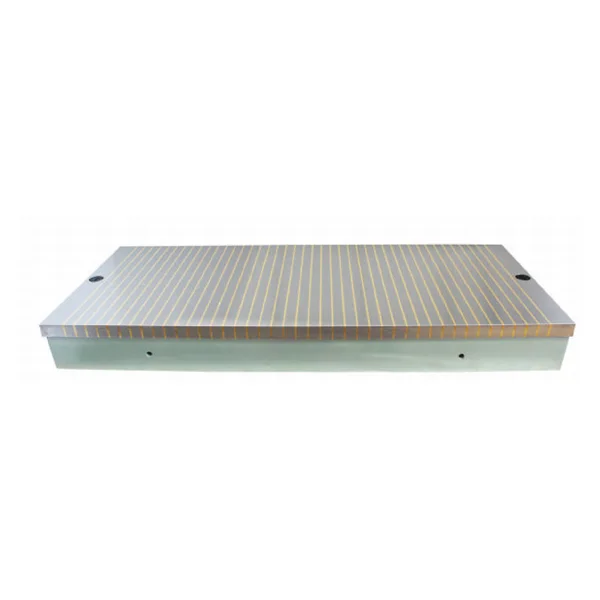
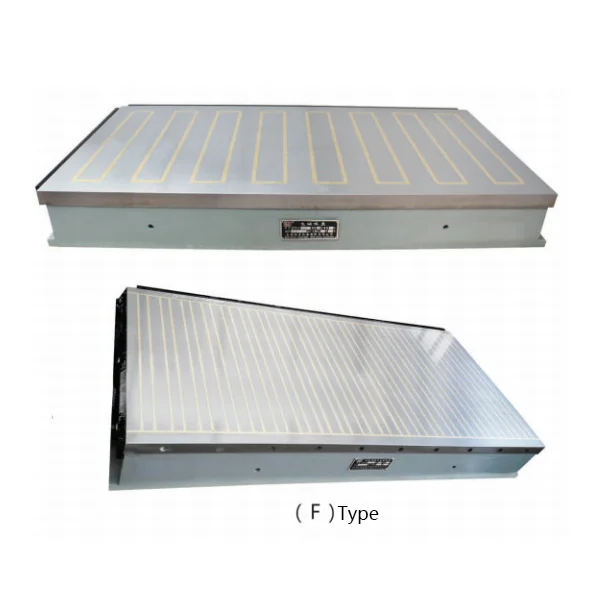
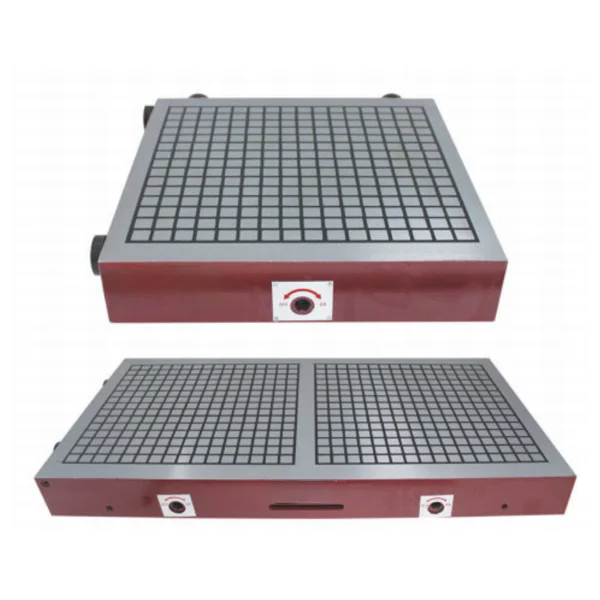
KORRETTO · electro-permanent magnetic chucks
Electro-Permanent Magnetic Chuck
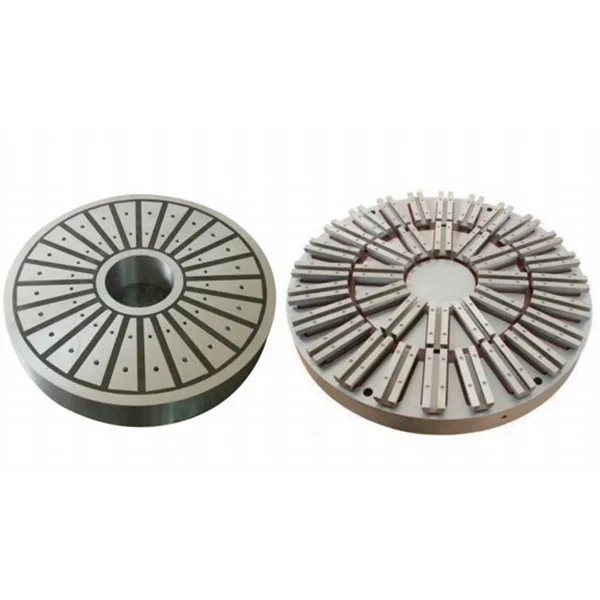
Electro-permanent magnetic chucks use electrical power to magnetize and demagnetize the chuck, while maintaining magnetic holding force without continuous power during clamping. They are suitable for grinding, milling and automated magnetic workholding applications.
Send workpiece size, holding area, machine type, automation requirement and control method, and we will help check the suitable electro-permanent magnetic chuck model.
Product Overview
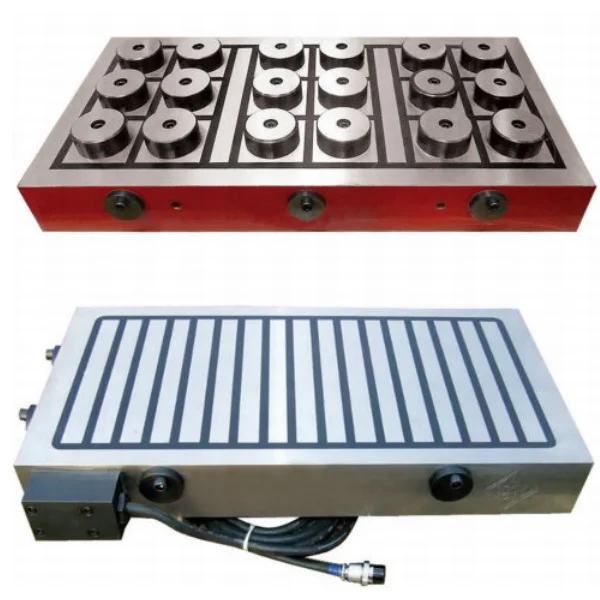
KORRETTO electro-permanent magnetic chucks combine electrical charge and demagnetize control with permanent magnetic holding during machining. They are suitable for milling, grinding and automated setups where workpieces must be clamped and released efficiently without continuous power during holding.
Typical Applications
- Milling, grinding and flat machining of ferromagnetic workpieces
- Setups that benefit from controlled clamp and release without continuous holding power
- Automated loading and unloading applications
- Workholding where reduced mechanical clamp interference is required
Key Features
Electrical charge and demagnetize
Magnetizing and demagnetizing are controlled through the controller.
No continuous power during holding
Holding force is maintained by permanent magnetic elements after charging.
Suitable for milling and grinding
Used for ferromagnetic workpiece positioning on machine tables.
Automation friendly
Supports efficient loading and unloading in batch production.
Multiple pole sizes
Pole size options are listed in the parameter table.
Parameters and Dimensions
Use the parameter table below to verify electro-permanent magnetic chuck length, width, height and pole size. Controller configuration, cable routing and machine interface should be confirmed separately for the selected model.
Controller Reference
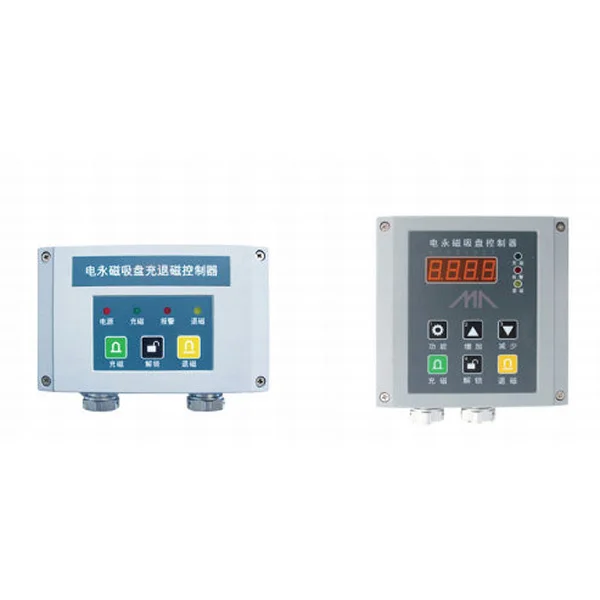
| Model | Main Dimensions (mm) | Pole Size | ||
|---|---|---|---|---|
| Length | Width | Height | ||
| X61 300*300 | 300 | 300 | 75 | 50*50 |
| X61 300*400 | 300 | 400 | 75 | 50*50 |
| X61 300*500 | 300 | 500 | 75 | 70*70 |
| X61 400*400 | 400 | 400 | 75 | 70*70 |
| X61 400*600 | 400 | 600 | 75 | 70*70 |
Image Gallery
Selection Notes
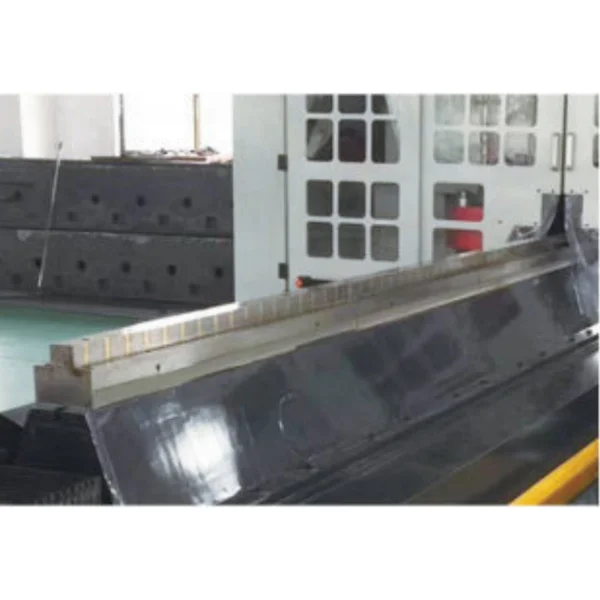
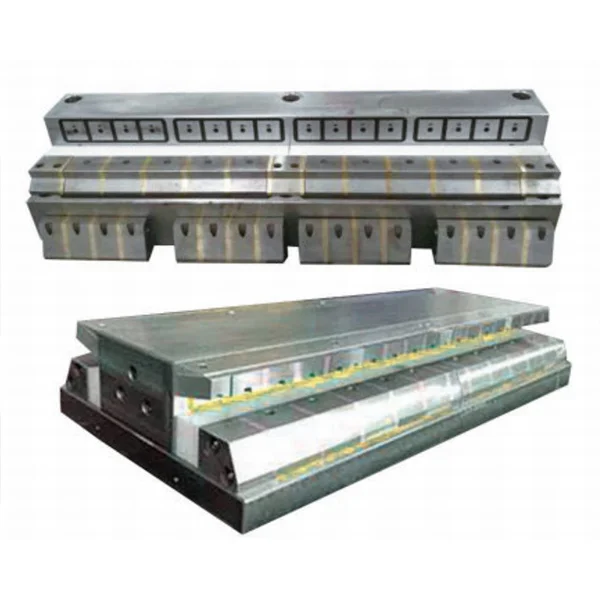
Confirm workpiece material, workpiece size and holding area, machine table size, machining process, automation requirement and controller interface. Do not confuse with standard electromagnetic chucks, which require continuous power, or conventional permanent magnetic chucks without electrical charge control.
FAQ
Does an electro-permanent magnetic chuck require continuous power during machining?
No. It uses electrical control for magnetization and demagnetization, but the workpiece is held by permanent magnetic force during machining without continuous power.
What machining applications are electro-permanent magnetic chucks suitable for?
They are suitable for milling, grinding, fixture automation and machine-table magnetic workholding where controlled magnetize-demagnetize cycles are needed.
How is an electro-permanent magnetic chuck different from a standard electromagnetic chuck?
A standard electromagnetic chuck needs electrical power to generate magnetic force, while an electro-permanent magnetic chuck uses electrical control only for charging and demagnetizing and then holds by permanent magnetic force.
What machine table and controller interface should be confirmed?
Please confirm the machine table size, mounting interface, control cabinet or controller arrangement, cable routing and power specification before model selection.
What workpiece material and contact area should be checked?
Please confirm that the workpiece is ferromagnetic and provide the size, thickness, contact area and machining load so the suitable chuck surface can be selected.
Is it suitable for milling, grinding or automated loading?
Yes. Electro-permanent magnetic chucks are widely used in milling, grinding and automated loading cells when stable magnetic holding and electrical release control are both required.
What should be checked before installation?
Check the mounting flatness, controller compatibility, power wiring, demagnetization function, cable protection and workpiece support before production use.
What information is needed for quotation?
Please provide the workpiece material, size, contact area, machine table dimensions, machining process, control requirement and power specification.