KORRETTO · permanent magnetic chucks
Permanent Magnetic Chuck
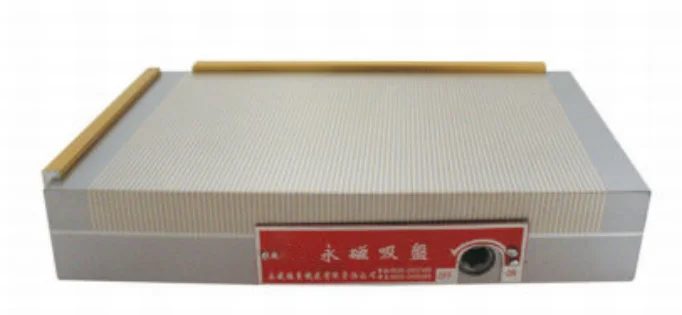
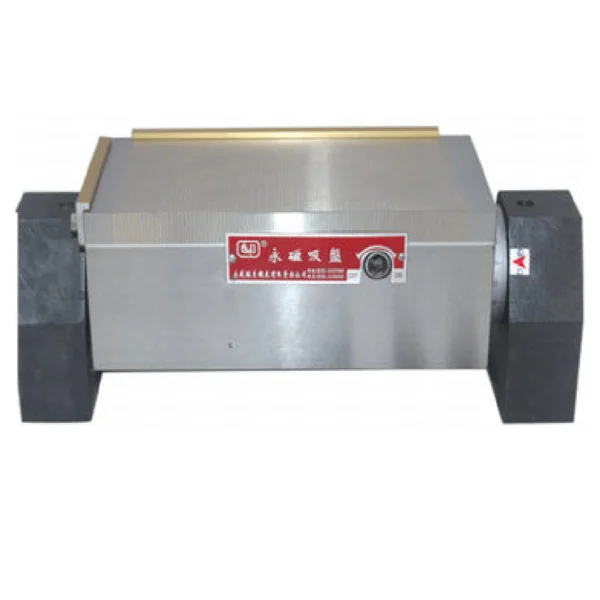
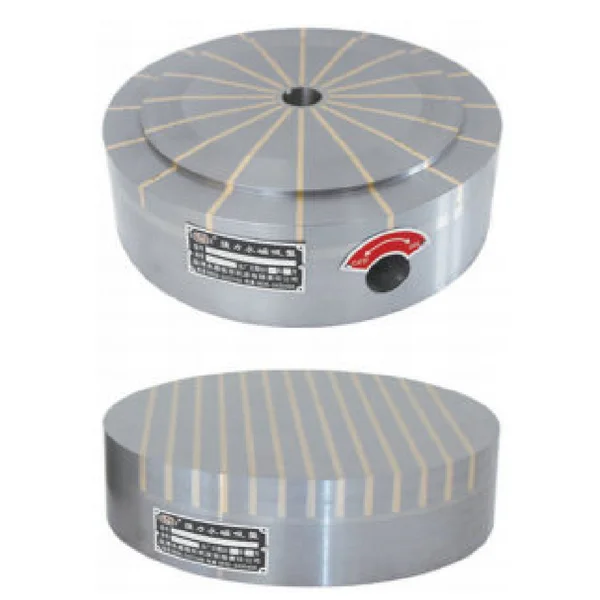
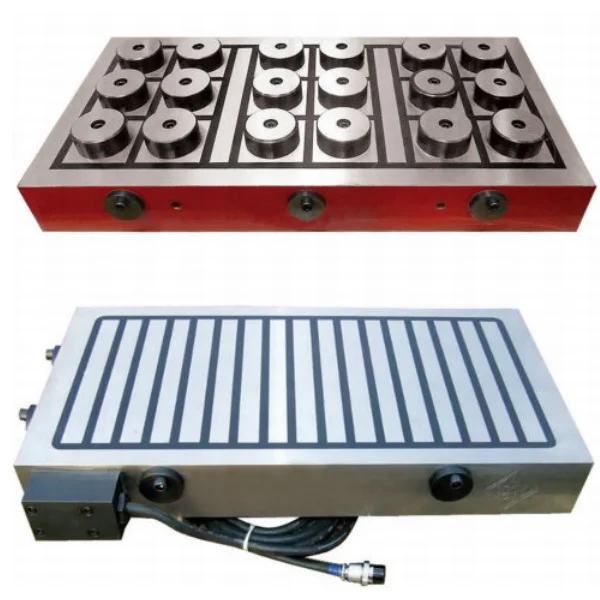
Permanent magnetic chucks use permanent magnetic force to hold ferromagnetic workpieces during grinding and related machining operations. They are suitable for conventional surface grinding and flat magnetic workholding where continuous electrical power during holding is not required.
Send the workpiece size, material, holding area, grinding machine table size and required chuck dimensions, and we will help check the suitable permanent magnetic chuck model.
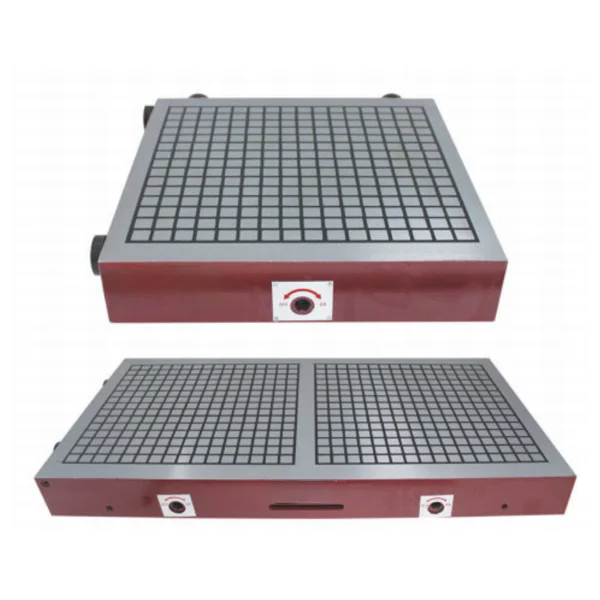
Product Overview
KORRETTO permanent magnetic chucks use permanent magnets to hold ferromagnetic workpieces without continuous power during clamping. They are suitable for grinding, inspection and general flat magnetic workholding.
How a Permanent Magnetic Chuck Works
An internal permanent-magnet circuit is mechanically switched so that magnetic flux is directed through the chuck poles and the ferromagnetic workpiece in the ON position, then redirected inside the chuck for release. No continuous electrical power is required while holding. Actual clamping depends on material permeability, workpiece thickness, pole coverage, contact area and the air gap created by scale, burrs, curvature or surface roughness.
Typical Applications
- Conventional surface grinding of ferromagnetic plates and blocks
- Flat magnetic workholding on machine tables
- Inspection and setup operations requiring stable holding
- Applications that prefer no continuous holding power
Key Features
Permanent magnetic holding
No continuous electrical power is required during holding.
Stable flat workholding
Suitable for common plate and block ferromagnetic workpieces.
Simple operation
Designed for practical grinding and setup workflows.
Multiple dimensions
Length, width, height and net weight data support model matching.
Parameters and Dimensions
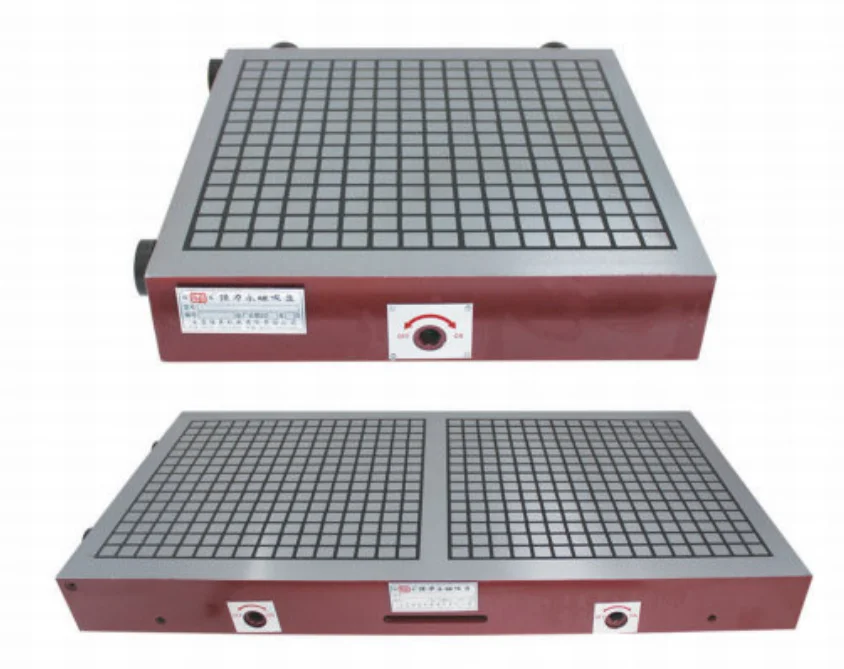
Use the dimension drawing and parameter table below to verify dimensions and net weight before selecting the permanent magnetic chuck model.
Dimension Drawing
| Model | Main Dimensions (mm) | Net Weight (kg) | ||
|---|---|---|---|---|
| Length | Width | Height | ||
| X91B 200*400 | 200 | 400 | 80 | 45 |
| X91B 300*300 | 300 | 300 | 80 | 50 |
| X91B 300*400 | 300 | 400 | 80 | 60 |
| X91B 300*500 | 300 | 500 | 80 | 80 |
| X91B 300*600 | 300 | 600 | 80 | 95 |
| X91B 400*400 | 400 | 400 | 80 | 90 |
| X91B 400*500 | 400 | 500 | 80 | 110 |
| X91B 400*600 | 400 | 600 | 80 | 130 |
| X91B 400*800 | 400 | 800 | 80 | 160 |
| X91B 500*500 | 500 | 500 | 80 | 150 |
| X91B 500*600 | 500 | 600 | 80 | 150 |
| X91B 500*800 | 500 | 800 | 80 | 180 |
Selection Notes
Confirm workpiece material, workpiece size, contact area, machine table size, required chuck dimensions and machining process before model selection.
When a Permanent Magnetic Chuck Is Not Suitable
Do not use this chuck for non-ferromagnetic materials, or assume full holding force on thin, small, warped, scaled or rough workpieces with limited pole contact. Large air gaps and weakly magnetic alloys reduce the usable force. The process must also be checked for lateral grinding force, part overhang and the risk created by a released or poorly seated workpiece. Use stops or another restraint when the application requires more resistance than magnetic friction alone can provide.
FAQ
Do permanent magnetic chucks require continuous power during machining?
No. Permanent magnetic chucks hold workpieces through permanent magnetic force and do not require continuous power during holding.
What is the difference between a permanent magnetic chuck and an electromagnetic chuck?
A permanent magnetic chuck uses permanent magnetic force for holding, while an electromagnetic chuck uses electrical power to generate and control magnetic force.
What information should I provide for model selection?
Please provide workpiece size, material, holding area, grinding machine table size, required chuck dimensions and application details.
What workpiece material and thickness should be checked?
Please confirm that the workpiece is ferromagnetic and provide the thickness, size and magnetic contact area so the suitable permanent magnetic chuck can be selected.
What machine table or installation interface should be confirmed?
Please confirm the machine table size, mounting surface, required working area and installation method before choosing a model.
Is it suitable for grinding, inspection or light milling?
Permanent magnetic chucks are commonly used for grinding, inspection and flat workholding. Whether they are suitable for milling depends on the cutting load and application conditions.
What should be checked before installation?
Check the base flatness, chuck surface cleanliness, magnetic switch operation and workpiece support coverage before production use.
What information is needed for quotation?
Please provide the workpiece material, size, thickness, holding area, machine table dimensions and machining application.