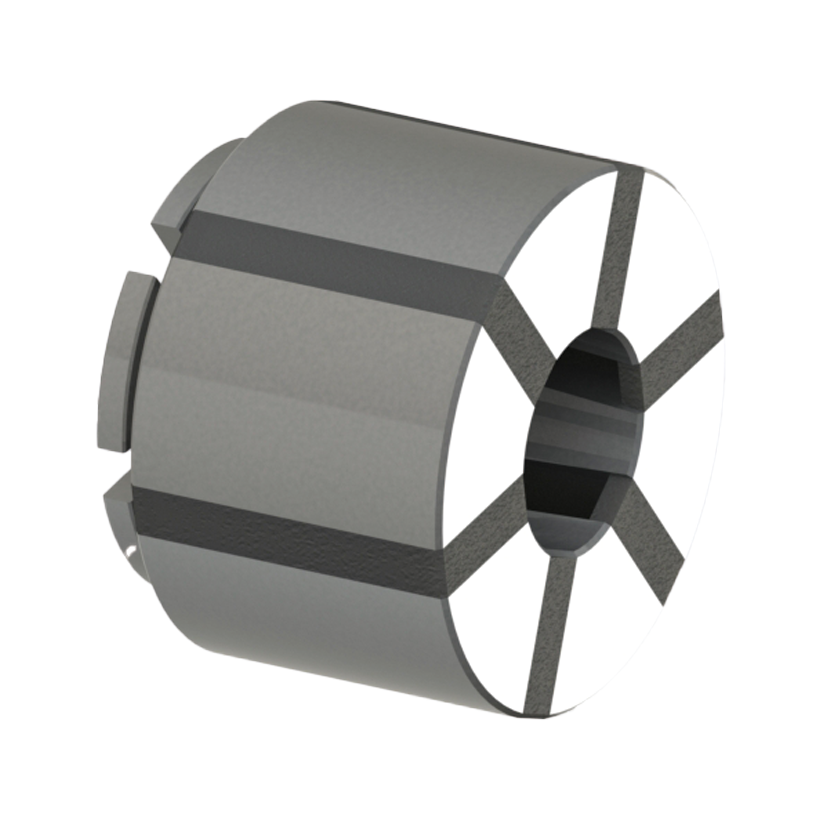
Rubber Flex Expanding Collet for Blind Holes
Used when the workpiece bore does not pass through and the part must be located from the inside diameter.
Internal bore clamping, ID locating and internal expansion clamping heads for rings, sleeves and gears.
KORRETTO expanding mandrels, expanding arbors and internal expansion clamping head systems clamp the workpiece from the bore instead of the outside diameter. They are used for sleeves, rings, gears, bearing seats, flange bores and parts where the internal diameter is the main locating reference. This category includes blind-hole expanding clamping heads, through-hole expanding clamping heads, through-hole expanding clamping head chuck units, ID clamping mandrels and related internal expansion solutions.
Select an expanding mandrel or internal expansion clamping head by bore type, bore diameter, tolerance, contact length, wall thickness, locating face, machine interface and actuation method. Blind-hole and through-hole workpieces require different internal expansion structures.
Used when the workpiece bore does not pass through and the part must be located from the inside diameter.
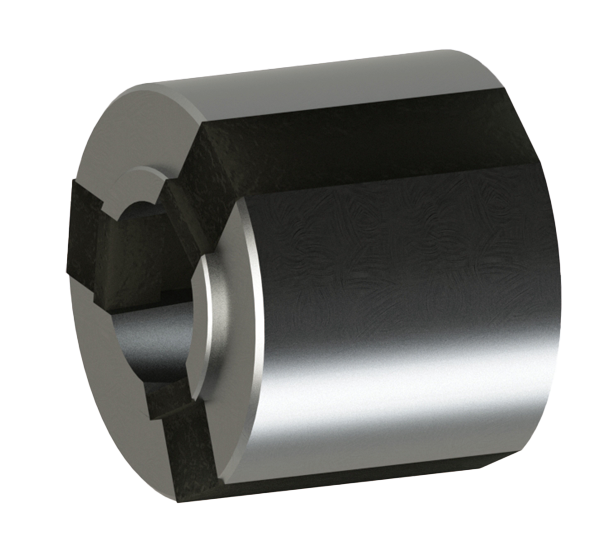
Suitable for bore-based location where the expanding collet can pass or expand through the workpiece.
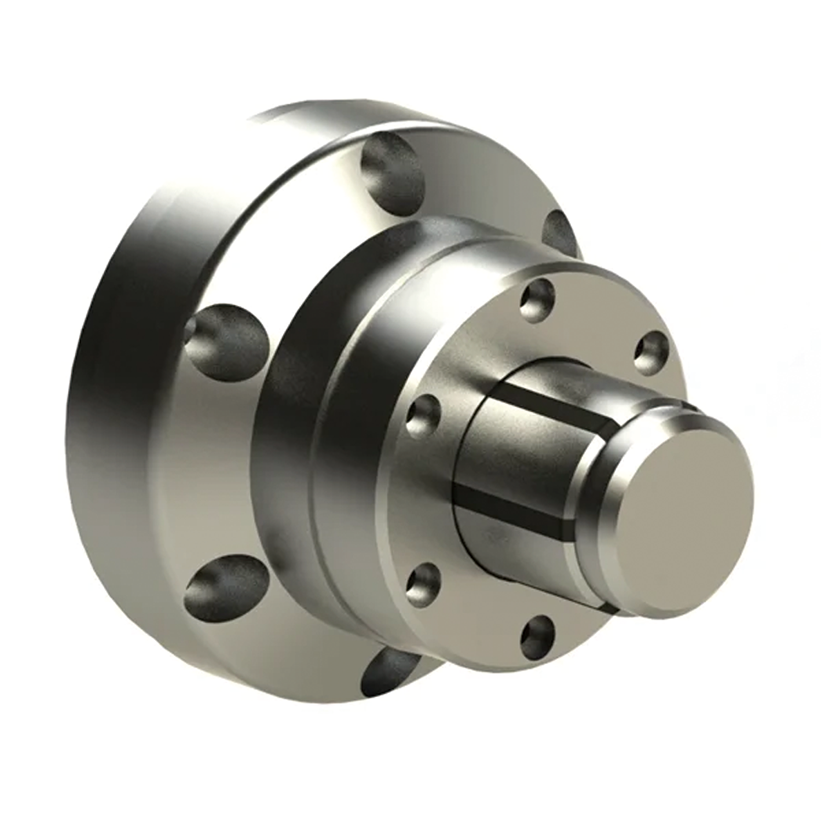
Provides the chuck body or mounting unit needed for through-hole expanding rubber collet applications.
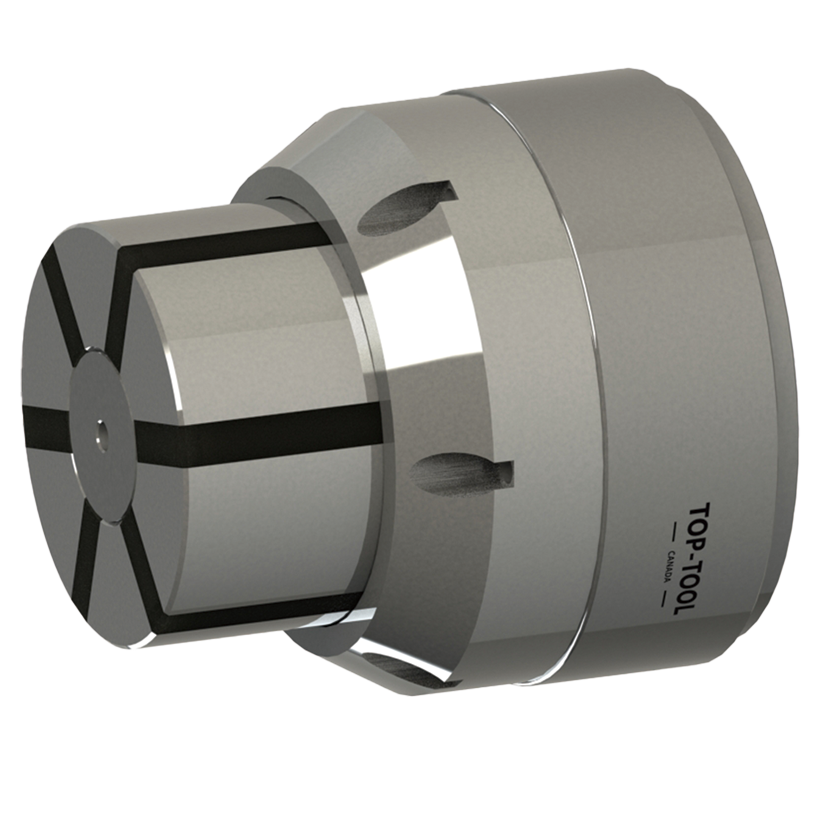
Internal expansion rubber-flex chuck assembly for blind-hole and semi-through-hole workpieces where outside clamping must remain clear.
| Requirement | Start with |
|---|---|
| Blind-hole internal clamping | Rubber Flex Expanding Collet for Blind Holes |
| Through-bore internal clamping | Through-Hole Rubber Flex Expanding Collet |
| Complete machine-side internal expansion unit | Through-Hole Rubber Flex Expanding Collet Chuck |
| Bore as the main functional reference | Expanding Mandrel / Expansion Sleeve Mandrel |
| Thin-wall bore-sensitive part | Rubber expanding collet system |
| External surface should not be marked | Internal expanding mandrel |
An expanding mandrel or internal expansion clamping head is used to locate and clamp a workpiece from the internal bore. It may also be described as an expanding arbor or ID clamping mandrel, and is common for sleeves, rings, gears, bushings and parts where the bore is the reference surface.
Choose internal expansion when the bore is the functional reference, when the outside surface must not be marked, or when outside clamping does not provide reliable location.
Not usually. Blind-hole and through-hole workpieces require different structures and contact conditions. The bore drawing should be reviewed first.
A rigid expanding mandrel often uses a metal expansion structure. A rubber expanding collet uses segmented metal with rubber connection for more flexible bore contact.
Start with the bore diameter, bore tolerance, effective contact length and whether the workpiece is through-hole, blind-hole or limited-depth. These points determine the suitable internal clamping structure.
Provide the bore diameter, tolerance, depth, through-hole or blind-hole condition, workpiece material, wall thickness, locating face, machine interface and machining process.
They can be suitable, but force, contact length and wall thickness must be checked. Rubber expanding collets may help distribute contact more gently.
Check the spindle or fixture mounting interface, drawbar or actuation condition, available stroke, workholding direction and whether the application needs a complete chuck unit or only the expanding element.