KORRETTO · electromagnetic magnetic chucks
Rectangular Electromagnetic Chuck
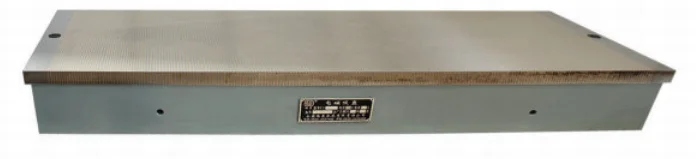
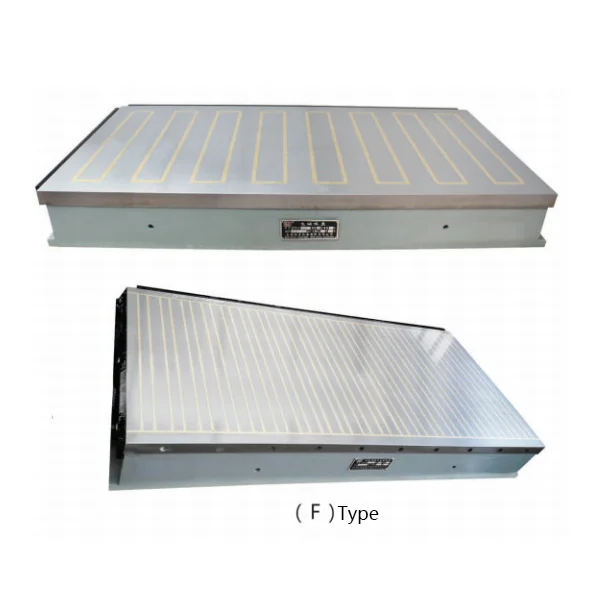
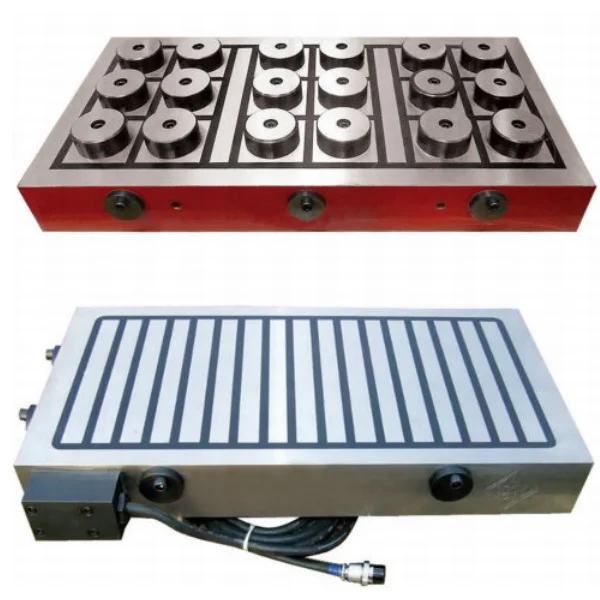
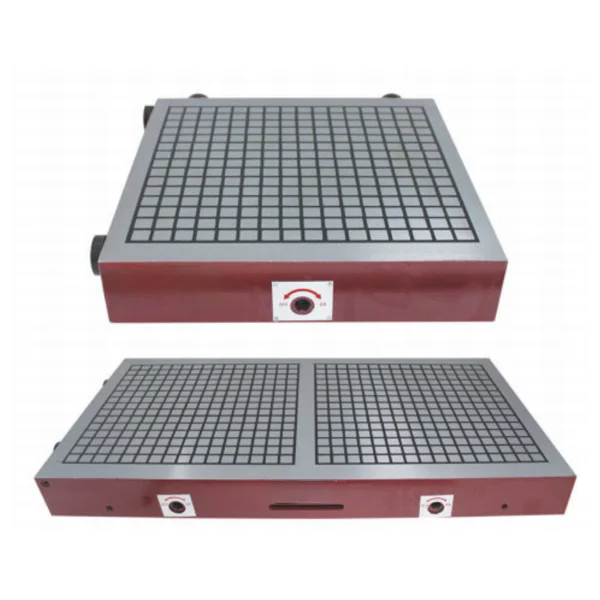
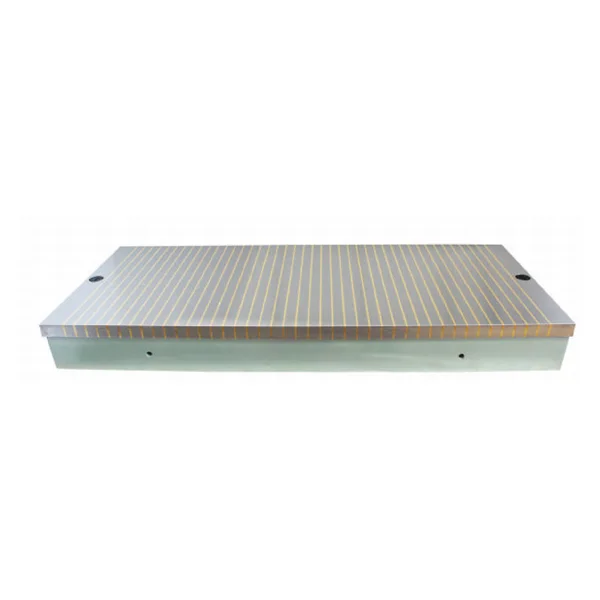
Rectangular electromagnetic chucks use electrical magnetic force to clamp ferromagnetic workpieces on grinding machines and related machining setups. They are suitable for flat plates, blocks and rectangular workpieces requiring stable magnetic holding.
Send the workpiece size, grinding machine table size, required holding force, voltage requirement and workpiece material, and we will help check the suitable rectangular electromagnetic chuck model.
Product Overview
KORRETTO rectangular electromagnetic chucks provide magnetic holding for ferromagnetic workpieces on surface grinders and machine tables. They are used for flat plates, blocks and rectangular parts where stable electromagnetic clamping is required during grinding or light machining.
Typical Applications
- Flat ferromagnetic plates, blocks and rectangular steel parts
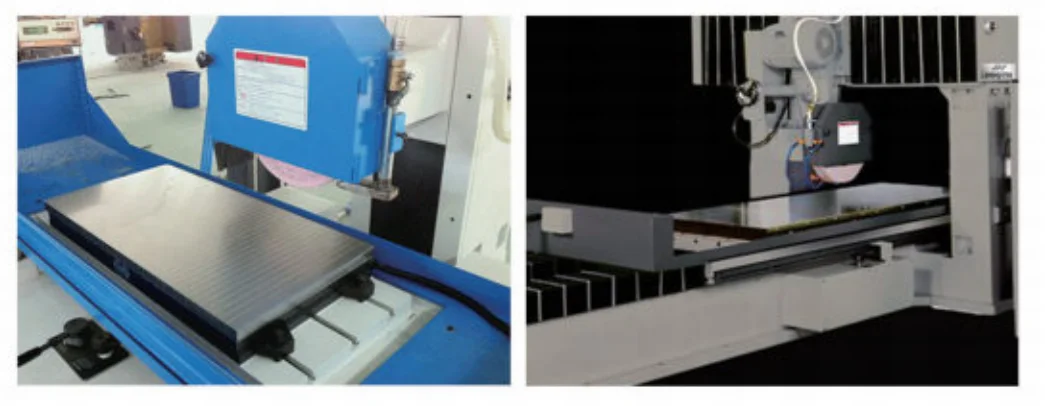
- Surface grinding and light machining on machine tables
- Workpieces requiring stable electromagnetic clamping and release
- Applications where table size, voltage and current must match the machine
Key Features
Electromagnetic rectangular holding surface
Suitable for flat ferromagnetic plates, blocks and rectangular workpieces.
Controlled clamp and release
Magnetic force is switched on and off through electrical power.
Multiple table sizes
Covers a wide range of length and width combinations for different machine tables.
Clear parameter fields
Dimension fields A through I, net weight, DC voltage and current are listed in the parameter table.
Surface grinding applications
Commonly used on surface grinders and flat workholding setups.
Parameters and Dimensions
Use the dimension drawings and parameter table below to verify mounting dimensions, holding surface size, DC voltage and current before selecting a rectangular electromagnetic chuck model.
Dimension Drawings

Use the dimension drawings above to verify mounting interfaces, holding surface dimensions and overall outline before model selection.
| Model | Main Dimensions (mm) | Net Weight (kg) | DC Voltage (V) | Current (A) | ||||||||
|---|---|---|---|---|---|---|---|---|---|---|---|---|
| A | B | C | D | E | F | G | H | I | ||||
| X11 200*560 | 200 | 560 | 25 | 480 | 22–19 | 192 | 554 | 20 | 115 | 70 | 110 | 1 |
| X11 250*500 | 250 | 500 | 25 | 400 | 22–19 | 244 | 494 | 20 | 115 | 86 | 110 | 1 |
| X11 300*600 | 300 | 600 | 30 | 510 | 22–19 | 294 | 620 | 20 | 120 | 120 | 110 | 1.6 |
| X11 300*680 | 300 | 680 | 30 | 600 | 22–19 | 294 | 676 | 20 | 120 | 134 | 110 | 1.8 |
| X11 300*800 | 300 | 800 | 30 | 730 | 22–19 | 294 | 795 | 20 | 120 | 170 | 110 | 1.9 |
| X11 300*1000 | 300 | 1000 | 30 | 910 | 22–19 | 294 | 996 | 20 | 120 | 196 | 110 | 2.5 |
| X11 320*1000 | 320 | 1000 | 30 | 910 | 22–19 | 314 | 996 | 20 | 120 | 232 | 110 | 2.5 |
| X11 400*800 | 400 | 800 | 30 | 714 | 22–19 | 394 | 796 | 20 | 120 | 213 | 110 | 2 |
| X11 400*1000 | 400 | 1000 | 30 | 904 | 22–19 | 394 | 996 | 20 | 120 | 255 | 110 | 2.1 |
| X11 500*1000 | 500 | 1000 | 30 | 900 | 22–19 | 494 | 996 | 20 | 120 | 387 | 110 | 2.2 |
| X11 600*1000 | 600 | 1000 | 32 | 900 | 22–19 | 594 | 996 | 20 | 120 | 432 | 110 | 2.4 |
| X11 630*1250 | 630 | 1250 | 30 | 1160 | 22–19 | 624 | 1246 | 20 | 120 | 480 | 110 | 3 |
| X11 800*1000 | 800 | 1000 | 32 | 900 | 22–19 | 794 | 996 | 20 | 120 | 523 | 110 | 3.2 |
| X11 500*1500 | 500 | 1500 | 32 | 1400 | 22–19 | 494 | 1496 | 20 | 120 | 643 | 110 | 5 |
Image Gallery
Selection Notes
Before selecting a rectangular electromagnetic chuck, confirm workpiece material and ferromagnetic properties, workpiece length and width, holding area, machine table size, mounting space, supply voltage and control method. Compare with fine pole or powerful rectangular types if the workpiece is very small or requires higher holding force.
FAQ
What is a rectangular electromagnetic chuck used for?
Rectangular electromagnetic chucks are used for holding flat ferromagnetic workpieces during surface grinding and similar machining operations.
How is a rectangular electromagnetic chuck different from a permanent magnetic chuck?
A rectangular electromagnetic chuck uses electrical power to create and control magnetic holding force, while a permanent magnetic chuck holds by permanent magnet force without continuous power.
What information should I provide for model selection?
Please provide workpiece size, thickness, material, holding area, grinder table size and supply voltage so the suitable rectangular electromagnetic chuck can be confirmed.
What machine table or installation interface should be confirmed?
Please confirm the machine table dimensions, mounting method, T-slot arrangement and power supply so the chuck can be matched to the grinder correctly.
What workpiece material and thickness should be checked?
Please confirm that the workpiece is ferromagnetic and provide its thickness, size and contact area because these affect the magnetic holding condition.
Can it be used for milling or only grinding?
Rectangular electromagnetic chucks are commonly used for grinding. Milling suitability depends on the cutting load, workpiece shape and setup stability.
What should be checked before installation?
Check the base flatness, insulation, cable condition, power connection and demagnetization function before putting the chuck into service.
What information is needed for quotation?
Please provide the workpiece material, size, thickness, holding area, machine table size, voltage and application details.