KORRETTO · electromagnetic magnetic chucks
Fine Pole Rectangular Electromagnetic Chuck
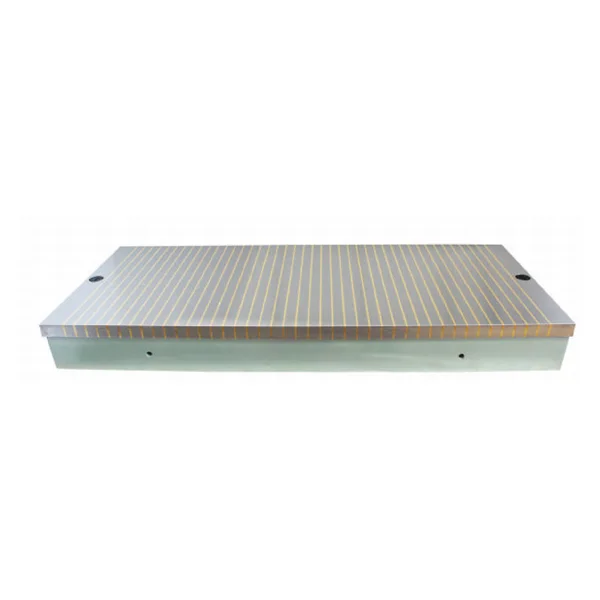
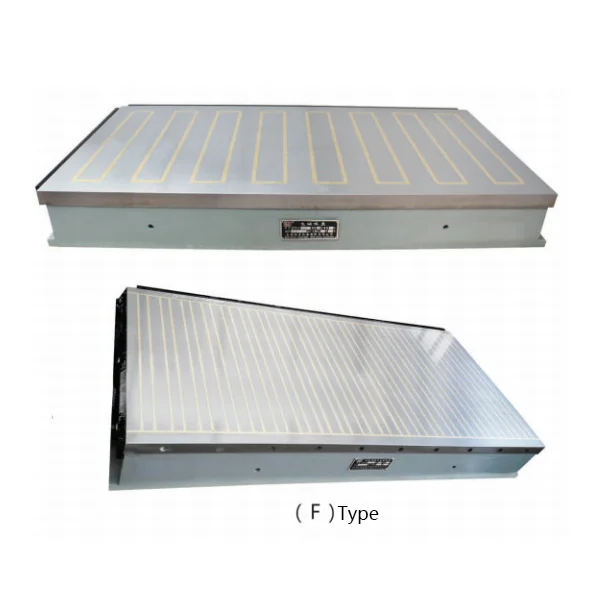
Fine pole rectangular electromagnetic chucks are designed for smaller or thinner ferromagnetic workpieces that need more uniform magnetic holding during grinding. The fine pole structure helps improve support for small contact areas.
Send workpiece size, thickness, holding area, machine table size and voltage requirement, and we will help check the suitable fine pole rectangular electromagnetic chuck model.
Product Overview
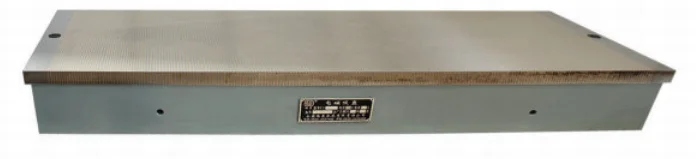
KORRETTO fine pole rectangular electromagnetic chucks use a denser pole layout for small or thin ferromagnetic workpieces. They are suitable for precision grinding where contact area is limited and more uniform magnetic support is required.
Typical Applications
- Small ferromagnetic steel parts and thin plates
- Precision surface grinding with limited contact area
- Workpieces that need finer pole distribution than standard rectangular chucks
- Applications where workpiece thickness and holding uniformity are critical
Key Features
Fine pole magnetic layout
Better suited to small parts and thin ferromagnetic workpieces.
Rectangular electromagnetic structure
For surface grinders and flat machine table applications.
Improved support for small contact areas
Helps stabilize thin plates and small steel parts during grinding.
Electrical clamp and release
Magnetic force is controlled through DC power supply.
Parameters and Dimensions
Use the dimension drawing and parameter table below to verify fine pole rectangular electromagnetic chuck dimensions, net weight, DC voltage and current.
Dimension Drawings

Use the dimension drawings above to verify mounting interfaces, holding surface dimensions and overall outline before model selection.
| Model | Main Dimensions (mm) | Net Weight (kg) | DC Voltage (V) | Current (A) | |||||||
|---|---|---|---|---|---|---|---|---|---|---|---|
| A | B | C | D | E | G | H | I | ||||
| XM11 300*600 | 300 | 600 | 30 | 510 | 5–4 | 630 | 20 | 110 | 120 | 110 | 1.1 |
| XM11 300*680 | 300 | 680 | 30 | 600 | 5–4 | 710 | 20 | 115 | 134 | 110 | 1.36 |
| XM11 300*800 | 300 | 800 | 30 | 730 | 5–4 | 830 | 20 | 115 | 170 | 110 | 1.8 |
| XM11 300*1000 | 300 | 1000 | 30 | 910 | 5–4 | 1030 | 20 | 115 | 196 | 110 | 2 |
Image Gallery
Selection Notes
Confirm workpiece size, thickness, ferromagnetic properties, contact area, machine table size, voltage and whether a standard rectangular or powerful rectangular electromagnetic chuck is more suitable.
FAQ
What workpieces are fine pole rectangular electromagnetic chucks suitable for?
They are suitable for small ferromagnetic parts, thin plates and workpieces with limited contact area that need more uniform magnetic holding during precision grinding.
How is a fine pole rectangular electromagnetic chuck different from a standard rectangular electromagnetic chuck?
The fine pole layout provides denser magnetic poles for smaller or thinner workpieces. Standard rectangular electromagnetic chucks are typically used for conventional plates and blocks.
What information should I provide for model selection?
Please provide workpiece size, thickness, ferromagnetic properties, holding area, machine table size and supply voltage so the suitable fine pole model can be confirmed.
What workpiece thickness and contact area should be checked?
Fine pole models are often selected for thinner workpieces and smaller magnetic contact areas, so thickness, support area and material condition should be confirmed first.
What machine table or installation interface should be confirmed?
Please confirm the grinder table size, mounting method, power supply and usable working surface so the chuck dimensions can be matched correctly.
Why choose a fine pole structure?
A fine pole structure provides denser magnetic support, which helps smaller or thinner ferromagnetic workpieces sit more evenly during precision grinding.
What should be checked before installation?
Check the surface flatness, power connection, insulation, demagnetization function and workpiece support before putting the chuck into production.
What information is needed for quotation?
Please provide the workpiece material, dimensions, thickness, contact area, machine table size, voltage and application details.