KORRETTO · vacuum workholding solutions
Vacuum Chuck
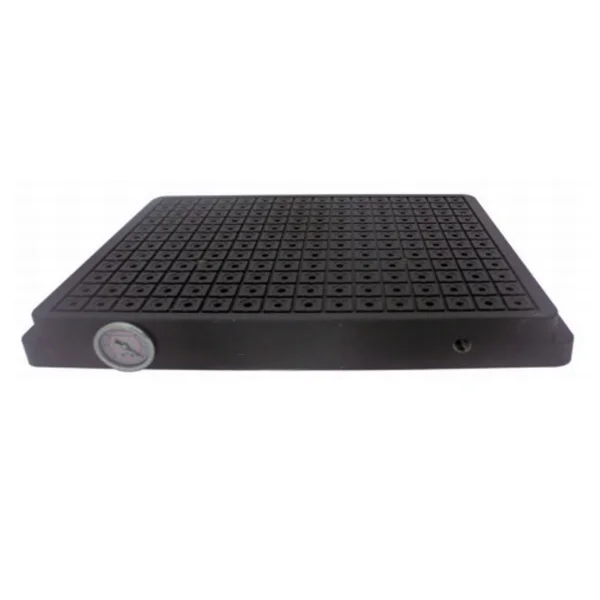
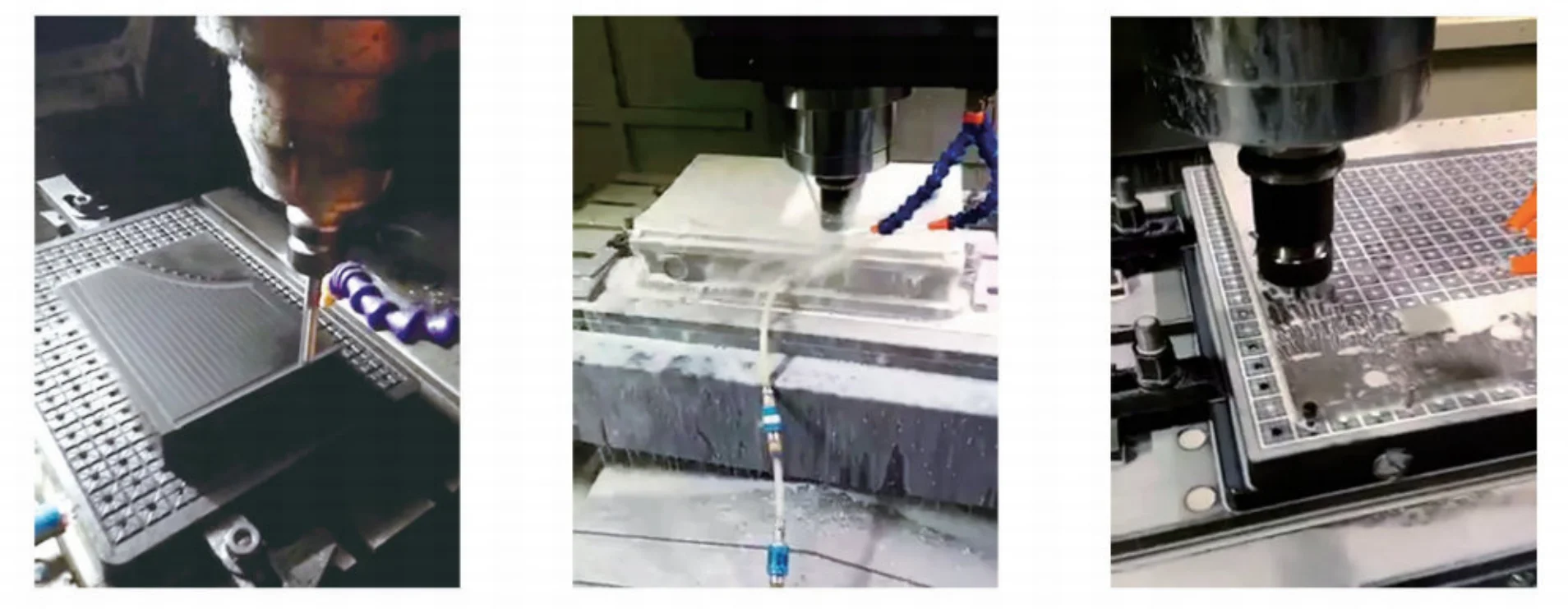
Vacuum chucks use vacuum adsorption to hold flat workpieces, including non-magnetic or thin materials. They are suitable for flat plates, thin sheets and non-ferromagnetic workpieces requiring surface-based vacuum holding.
Send the workpiece material, size, thickness, surface condition, vacuum source and machining process, and we will help check the suitable vacuum chuck model.
Product Overview
Vacuum chucks provide workholding by vacuum adsorption rather than magnetic clamping. They are suitable for non-magnetic materials, thin sheets and flat workpieces where vacuum adsorption is preferred.
How a Vacuum Chuck Works
A vacuum source removes air from the sealed area beneath the workpiece. Atmospheric pressure acting on the opposite side produces normal holding force across the effective sealed area; resistance to sideways machining force then depends on that normal force and the friction between the part and chuck surface. Available holding therefore depends on vacuum level, sealed area, leakage, surface flatness, material porosity, gasket layout and the direction of the cutting load.
Typical Applications
- Non-magnetic flat workpieces
- Thin plates and sheets
- Flat parts requiring surface vacuum holding
- Workpieces requiring vacuum clamping on suitable sealing surfaces
- Machining, grinding or inspection setups requiring vacuum adsorption
Key Features
Vacuum adsorption workholding
Suitable for non-ferromagnetic and thin flat materials
Different from magnetic clamping systems because it uses a vacuum source and a suitable sealing surface
Selection depends on material, surface condition and vacuum source
Useful where vacuum adsorption is preferred for flat non-ferromagnetic workpieces
Parameters and Dimensions
Use the dimension information and parameter table below to verify model details before selection.
Dimension Drawing
| Model | Length (mm) | Width (mm) | Height (mm) |
|---|---|---|---|
| PMK300*300 | 300 | 300 | 45 |
| PMK300*400 | 300 | 400 | 45 |
| PMK300*500 | 300 | 500 | 45 |
| PMK300*600 | 300 | 600 | 45 |
| PMK400*400 | 400 | 400 | 45 |
| PMK400*500 | 400 | 500 | 45 |
| PMK400*600 | 400 | 600 | 45 |
| PMK400*800 | 400 | 800 | 45 |
| PMK500*500 | 500 | 500 | 45 |
| PMK500*600 | 500 | 600 | 45 |
| PMK500*800 | 500 | 800 | 45 |
Selection Notes
Please provide workpiece material, size, thickness, surface condition, vacuum source and machining process.
When a Vacuum Chuck Is Not Suitable
Vacuum workholding is unsuitable when a porous, rough, warped or deeply textured surface cannot maintain the required seal, or when the effective contact area is too small. High lateral cutting forces, strong vibration and lifting moments may exceed the friction available even when the vacuum gauge appears acceptable. The setup should include vacuum monitoring and a defined response to pump or power loss; add mechanical stops or another restraint when the calculated safety margin is insufficient.
FAQ
What is a vacuum chuck used for?
A vacuum chuck is used to hold flat workpieces by vacuum adsorption. It is selected for non-ferromagnetic plates, thin sheets and flat workpieces where magnetic clamping is not suitable.
How is a vacuum chuck different from a magnetic chuck?
A vacuum chuck uses vacuum adsorption, while magnetic chucks use magnetic clamping. Vacuum chucks are suitable for non-ferromagnetic materials and thin flat surfaces with suitable sealing conditions.
What workpieces are suitable for vacuum chucks?
Vacuum chucks are suitable for flat plates, thin sheets and non-magnetic workpieces with a surface condition that can maintain vacuum holding.
What material, flatness and sealing surface should be confirmed?
Please confirm the workpiece material, surface flatness, sealing contact condition and whether the workpiece geometry can maintain a reliable vacuum seal.
What vacuum source and fixture interface should be checked?
Please confirm the available vacuum source, fixture connection, vacuum channel arrangement and machine table interface before selecting the model.
Is it suitable for thin non-magnetic plates or soft materials?
Yes. Vacuum chucks are commonly selected for thin, non-magnetic or soft flat workpieces when magnetic holding is not possible or not desirable.
What should be checked before installation and use?
Check the sealing surface, vacuum source capacity, hose connection, fixture flatness and leakage condition before production use.
What information is needed for quotation?
Please provide the workpiece material, size, thickness, surface condition, vacuum source and machining process so the suitable vacuum chuck can be recommended.