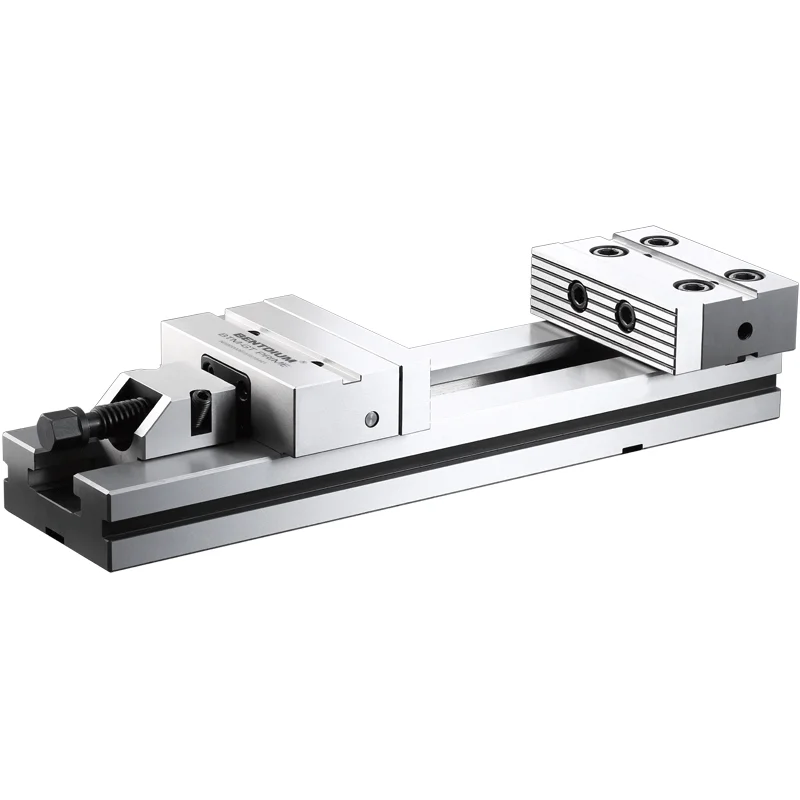
Standard Precision Vise
A practical vise for common prismatic workpieces. Check jaw width, jaw opening, table slot layout and workpiece height.
Precision machine vises for CNC milling, machining centers and repeat workholding setups.
KORRETTO machine vises are used on vertical machining centers, horizontal machining centers and 5-axis machining centers for stable workpiece clamping. The range includes standard precision vises, quick-load vises, auto-centering vises, double-station vises, multi-workpiece vises and 5-axis vises. Selection should consider jaw opening, workpiece height, table layout, cutter clearance, clamping force, repeatability and production volume.
A practical vise for common prismatic workpieces. Check jaw width, jaw opening, table slot layout and workpiece height.
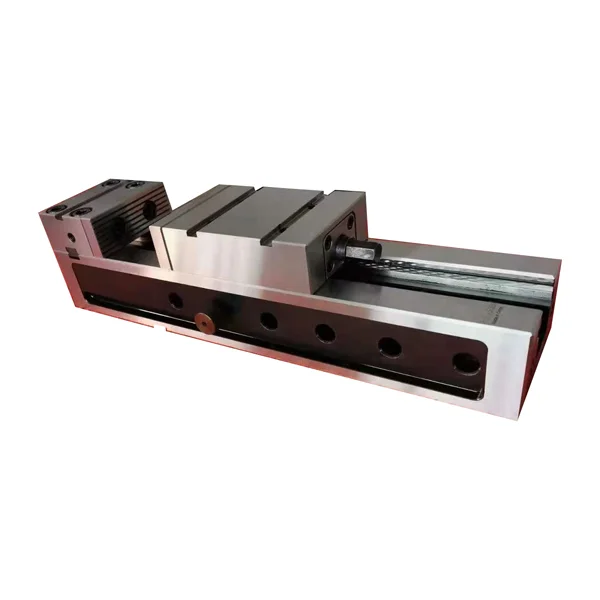
Designed to reduce setup time when workpieces are changed frequently. Confirm clamping range and workpiece access.
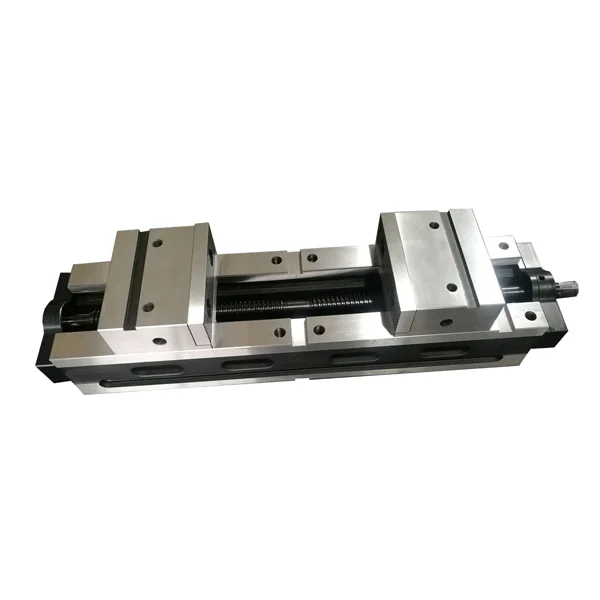
The jaws move toward the center to help locate the workpiece around its centerline.
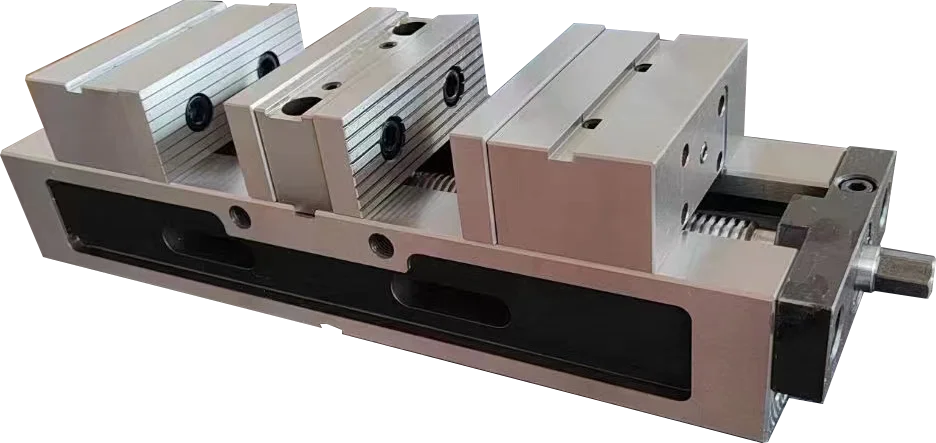
Holds two workpieces in one vise layout to improve machining efficiency.
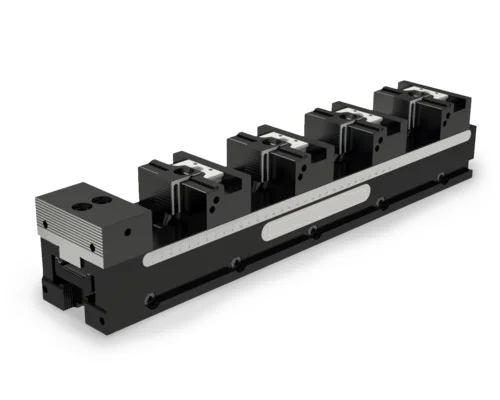
Allows multiple parts to be clamped in one setup, subject to cutter clearance and table size.
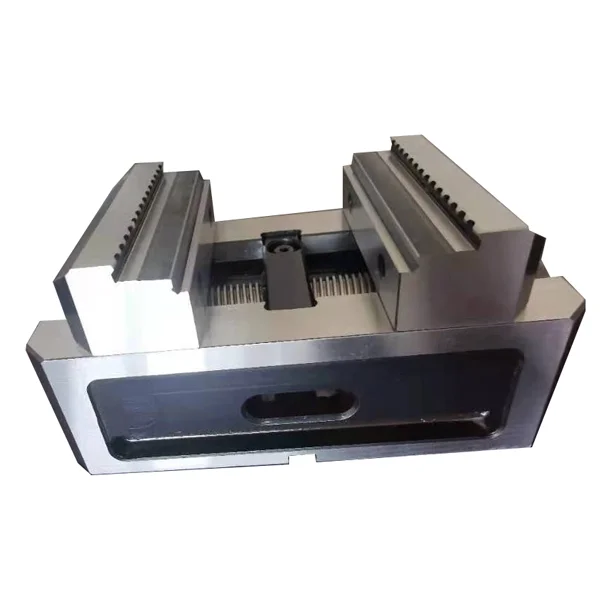
Low-profile clamping improves tool access and helps reduce interference during 5-axis machining.
| Requirement | Start with |
|---|---|
| General milling workholding | Standard Precision Vise |
| Frequent setup change | Quick-Load Precision Vise |
| Centered clamping of symmetrical parts | Auto-Centre Vise |
| Two parts in one setup | Double Station Vise |
| Multiple small parts per cycle | Multi Workpiece Vise |
| Maximum tool access on 5-axis machines | 5-Axis Vise |
A milling vise or machine vise is designed for machining centers and milling machines. It must provide accurate location, stable clamping and suitable table mounting. A bench vise is a general workshop tool and is not used as a precision CNC workholding device.
A 5-axis vise is useful when the workpiece needs better side access, reduced interference and compact clamping on a 5-axis machine.
An auto-centering vise clamps from both sides toward the center, helping keep symmetrical workpieces centered during repeated setups.
It is suitable when parts are repeatable and the machine table can hold multiple workpieces without tool interference.
Provide the workpiece drawing, table size, T-slot layout, machining process, required accuracy, cutter access and expected production volume.