Advantages of Rubber-Flex Collets in Shaft Processing
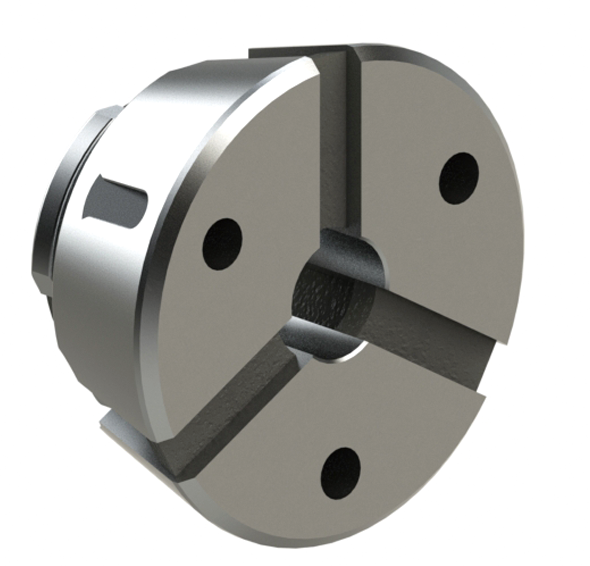
Rubber-flex collets are flexible workholding elements used for shaft parts, sleeves, thin-wall turned parts and surface-sensitive components. Their value is not based on a single claimed number; it comes from the way the clamping surface surrounds the workpiece and spreads contact over a larger area. For repeated loading on CNC lathes, this can help reduce local marking, improve handling of short gripping lengths and make the clamping process easier to standardize.
In shaft processing, the correct fixture depends on the workpiece diameter, gripping length, wall thickness, material, surface requirement and machine interface. Rubber-flex collets are most useful when the workpiece is reasonably round and the process benefits from broad, elastic contact rather than hard point contact from jaws.
Why standard chucks or spring collets may be limited
Standard hard jaws are practical for many roughing and general turning jobs, but they can create concentrated contact pressure. On thin-wall shafts, finished surfaces or parts with short gripping length, that local pressure may increase the risk of marks or deformation. Spring collets can be efficient when the diameter range is stable, yet their usable clamping range is narrower and open slots may require careful cleaning in chip-heavy environments.
These limits do not mean that hard jaws or spring collets are unsuitable in general. They remain useful choices for many turning operations. The point is that a rubber-flex collet should be considered when the application needs a larger surrounding contact area, a more protected slot structure and repeatable clamping for a known workpiece family.
How rubber-flex collets work
A rubber-flex collet normally combines segmented metal sections with vulcanized rubber between the segments. When the chuck or collet body actuates, the segmented structure moves around the workpiece while the rubber connection supports elastic, surrounding contact. The sealed slot concept can also help reduce chip accumulation compared with open-slot metal collets, depending on the machining environment and maintenance practice.
The result is a workholding direction that is different from simply increasing clamping force. The design aims to improve contact distribution and reduce unnecessary surface damage. Actual performance still depends on the workpiece drawing, the contact length, the cutting load, the chuck body, the machine condition and the quality of the clamping setup.
Suitable applications
- Shaft parts and sleeve parts with stable outside diameter or bore references.
- Thin-wall turned components where contact distribution matters.
- Surface-sensitive parts where hard jaw marks should be reduced.
- Short gripping length applications that need better surrounding support.
- Batch production with repeated loading of similar workpieces.
Less suitable applications
Rubber-flex collets should be assessed carefully for heavy interrupted cutting, highly irregular gripping surfaces, very large diameter variation or parts that need rigid hard-jaw support. They are also not a substitute for clear datum planning. If the gripping datum is unstable or the part shape changes significantly between batches, a soft-jaw, diaphragm chuck, expanding mandrel or dedicated fixture may be more appropriate.
Selection information needed
| Information | Why it matters |
|---|---|
| Workpiece drawing | Confirms datum, geometry, tolerance and clamping area. |
| OD / ID and wall thickness | Helps determine whether surrounding contact is suitable. |
| Gripping length | Short contact length may require a different support strategy. |
| Material and surface requirement | Indicates marking, deformation and chip-control concerns. |
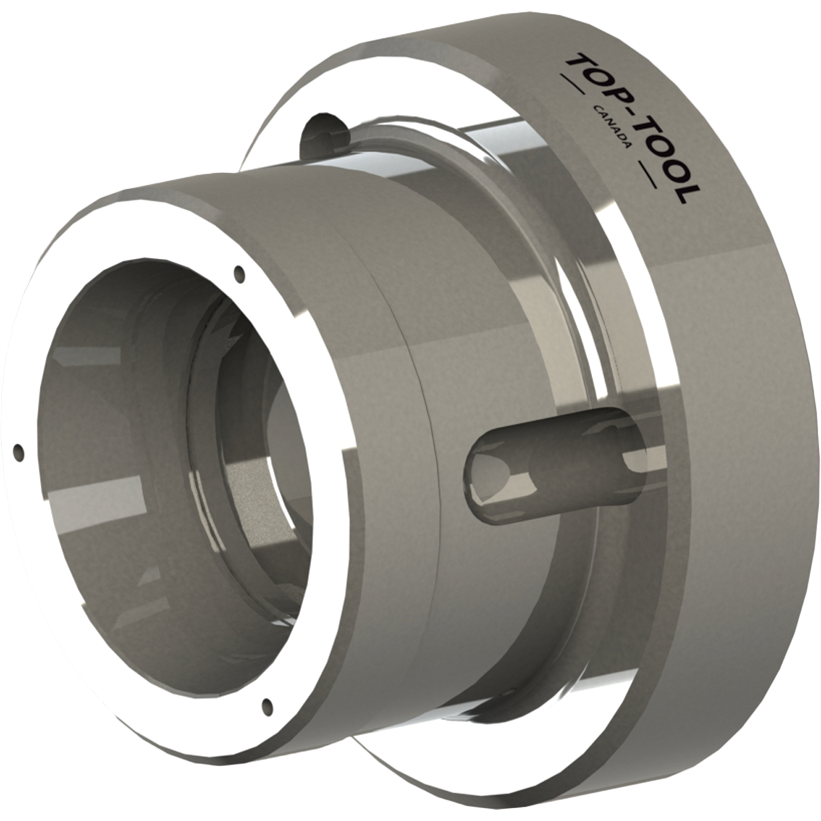
| Machine interface | Determines whether the collet chuck can be mounted and actuated. |
| Current clamping issue | Clarifies whether the problem is marking, deformation, slip or changeover time. |
| Batch size | Helps compare rubber-flex collets with soft jaws or custom fixtures. |
Related Workholding Links
For product family information, see the rubber-flex collet series. If the part requires low-deformation clamping from another direction, compare with the diaphragm chuck series. More application notes are available in the English technical articles section.
Application Assessment
To assess a rubber-flex collet application, prepare the workpiece drawing, diameter range, bore size, wall thickness, gripping length, material, surface requirement, machine model and current clamping problem. These details help determine whether a rubber-flex collet, a standard collet, soft jaws or another workholding direction is more suitable.
FAQ
What is a rubber-flex collet used for?
A rubber-flex collet is used for flexible clamping of shaft parts, sleeves, thin-wall components and surface-sensitive workpieces where larger contact area and reduced marking risk are important.
How is a rubber-flex collet different from a standard metal collet?
A standard metal collet relies mainly on elastic metal segments, while a rubber-flex collet combines segmented metal sections with vulcanized rubber. This structure can provide surrounding contact and help reduce chip accumulation in open slots.
Can rubber-flex collets reduce thin-wall part deformation?
They may help distribute clamping force over a larger contact area, but the final result depends on wall thickness, material, gripping length, cutting force and machine setup.
When should I avoid rubber-flex collets?
They should be assessed carefully for heavy interrupted cutting, highly irregular gripping surfaces, very large diameter variation or cases where rigid hard-jaw support is required.
What information is needed for selection?
Provide the workpiece drawing, outside diameter, bore size, wall thickness, gripping length, material, surface requirement, machine interface and current clamping issue.