Standard hydraulic indexing chuck for automatic multi-position machining.
AC Series Standard Indexing Chucks
KORRETTO's AC Series combines hydraulic clamping with automatic angular indexing for single-setup, multi-angle machining. Standard 8×45° and 6×60° configurations support programmed machining of valve bodies, fittings, cross shafts, yoke parts and other components with intersecting or angular features. The fully sealed structure, plug-in fixture interface, optional floating extension pin and configurable position detection support CNC turning and automated machining cells.
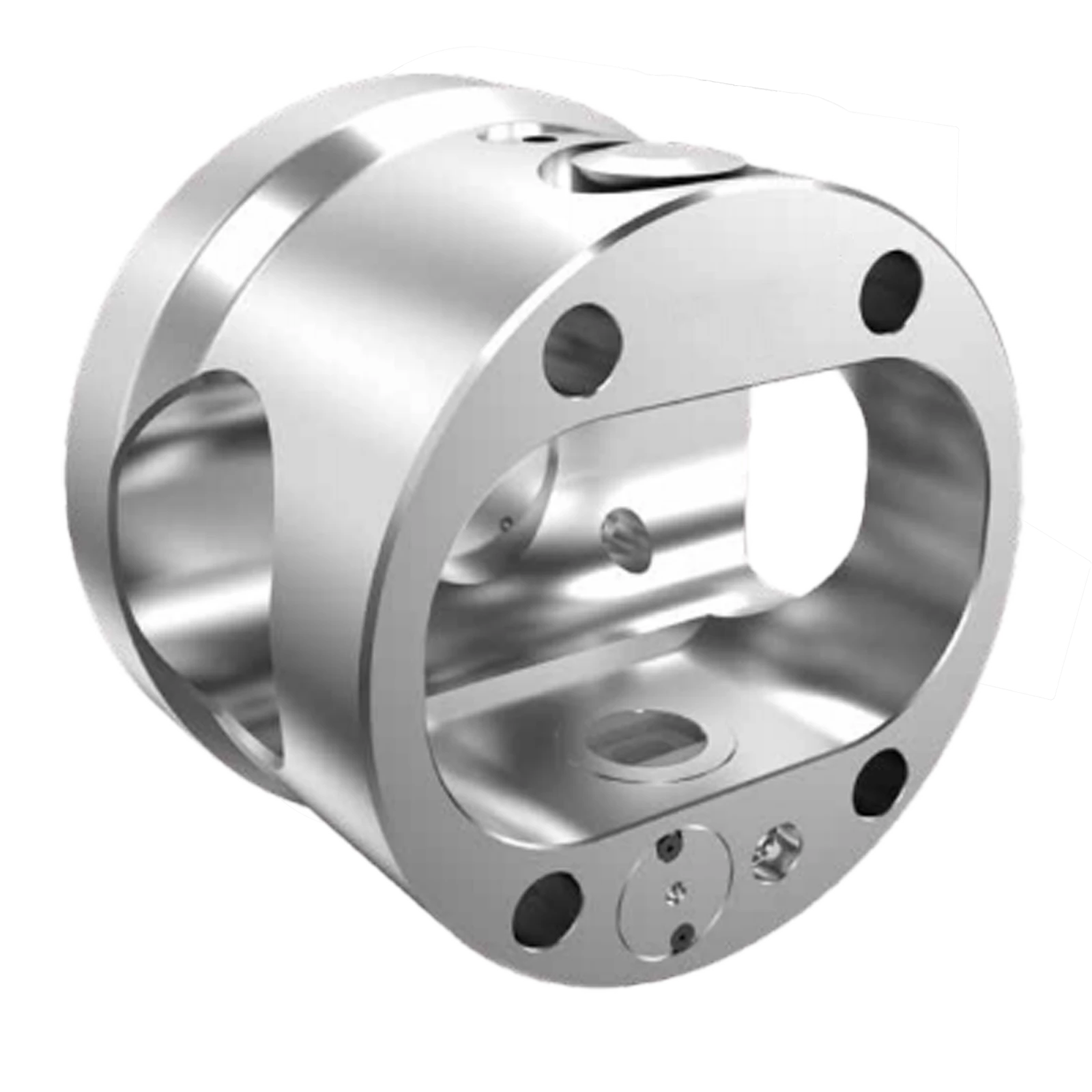
Product Overview
The AC Series is KORRETTO's standard hydraulic indexing chuck range for automatic multi-position machining. Hydraulic clamping and automatic indexing are integrated in one spindle-mounted system, allowing the workpiece to remain on the same workholding reference while successive angular features are machined.
Standard 8×45° and 6×60° indexing configurations are available. The fully sealed structure helps isolate the indexing mechanism from chips, coolant and dust. A plug-in fixture interface supports fast fixture changeover, while an optional floating extension pin and configurable position detection can be selected according to the workpiece and machine layout.
Key Features
Hydraulic clamping with automatic indexing
Combines hydraulic workholding and programmed angular positioning in one spindle-side system.
Automatic 8×45° / 6×60° indexing
Provides standard equal-angle configurations for multi-position machining.
Fully sealed structure
Helps isolate the internal indexing mechanism from chips, coolant and dust.
Indexing accuracy 1′
The current AC Series specification defines 1 arc-minute indexing accuracy.
Positioning repeatability <0.01 mm
Use the applicable model data and installation conditions when evaluating final machining accuracy.
Plug-in fixture mounting
Supports fixture replacement and application-specific workpiece location.
Approx. 1-minute fixture changeover
Actual time depends on fixture complexity, workpiece location and site operation.
Optional floating extension pin
Assists positioning where a conventional fixed locating surface is difficult to use.
Custom fixture / insert support
Fixture concepts can be designed around the workpiece, tool clearance and machine interface.
Optional indexing position detection and alarm monitoring
Can verify the indexed position before the next machining cycle continues.
Typical Applications
The AC Series can be evaluated for CNC turning and automated machining cells where one setup must cover multiple angular features.
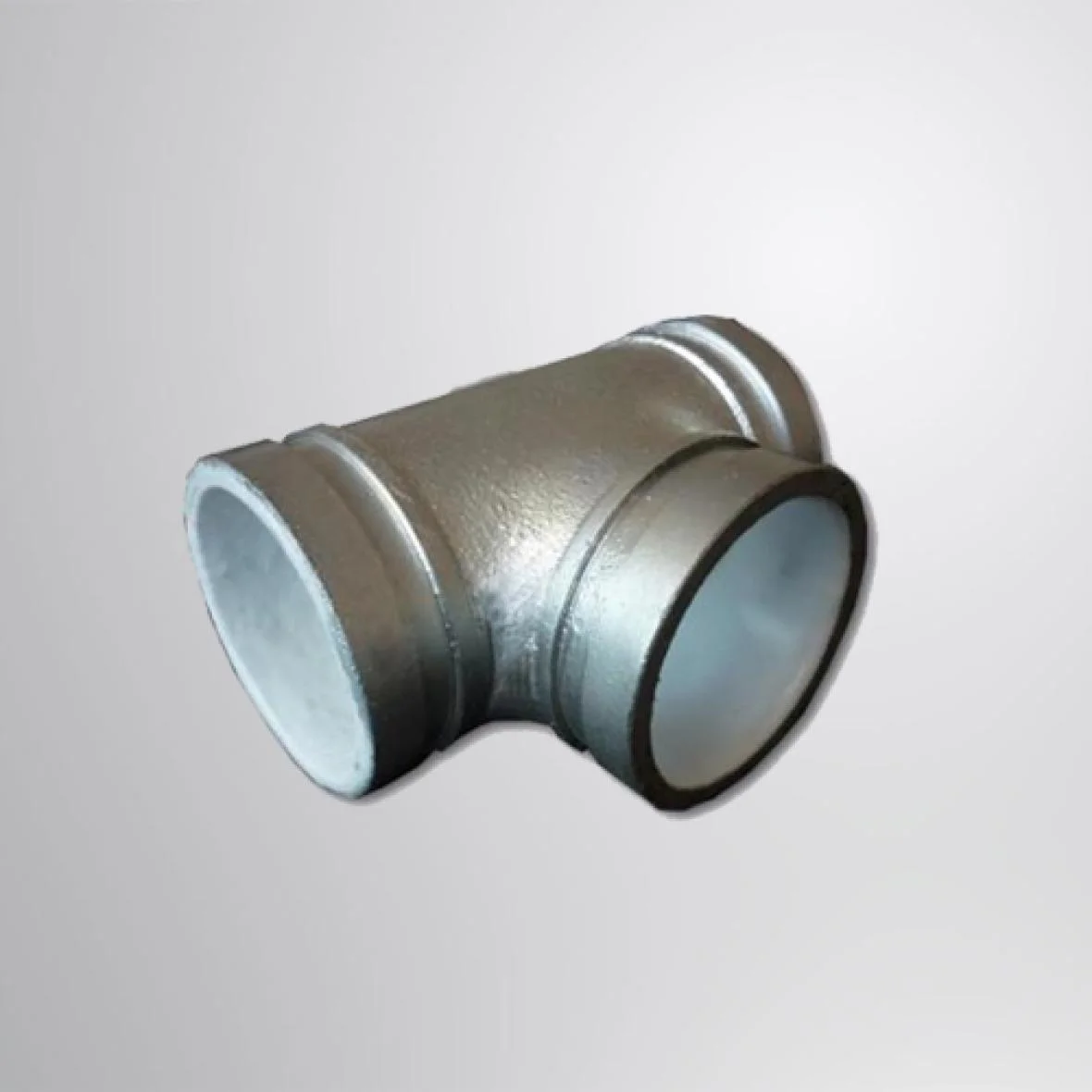
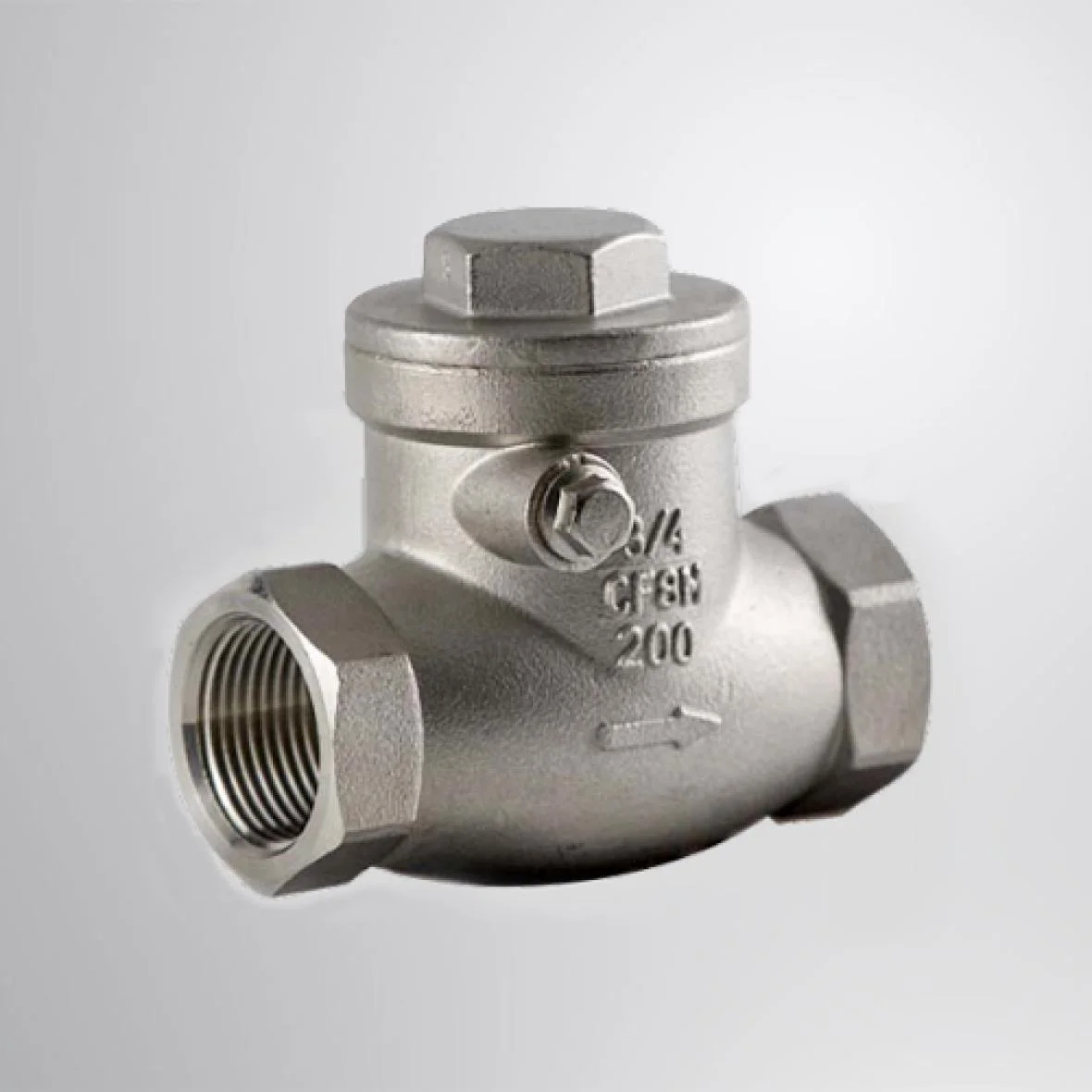
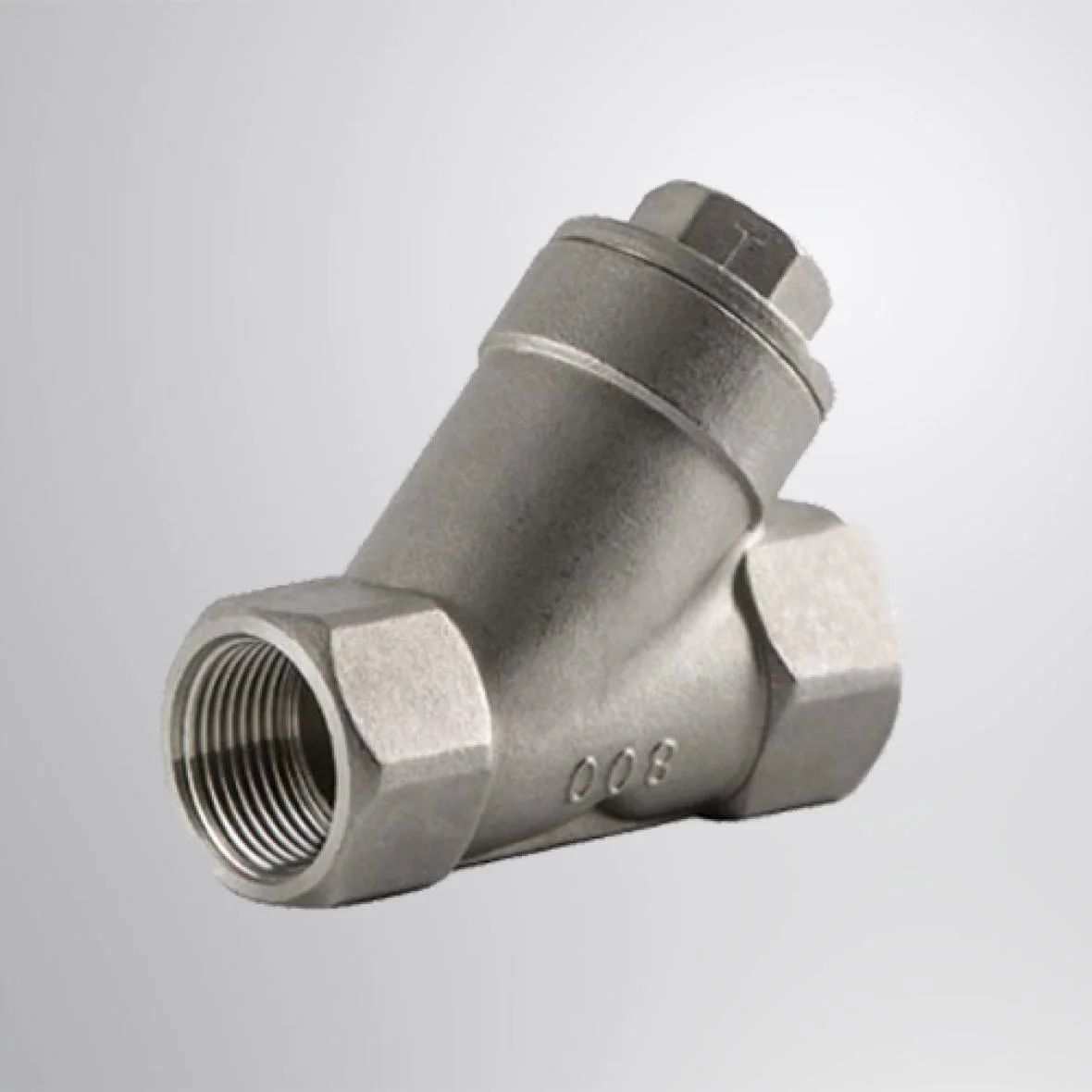
Typical workpieces: valve bodies, hydraulic fittings, pipe fittings, cross shafts, yoke parts, pump housings and other components with intersecting axes, multiple ports or angular machining faces.
AC Series Indexing Chuck in Operation
The video demonstrates an indexing chuck performing multi-position machining in a single setup. Actual fixture design, indexing sequence and machine integration depend on the workpiece and application.
Dimensions & Technical Specifications
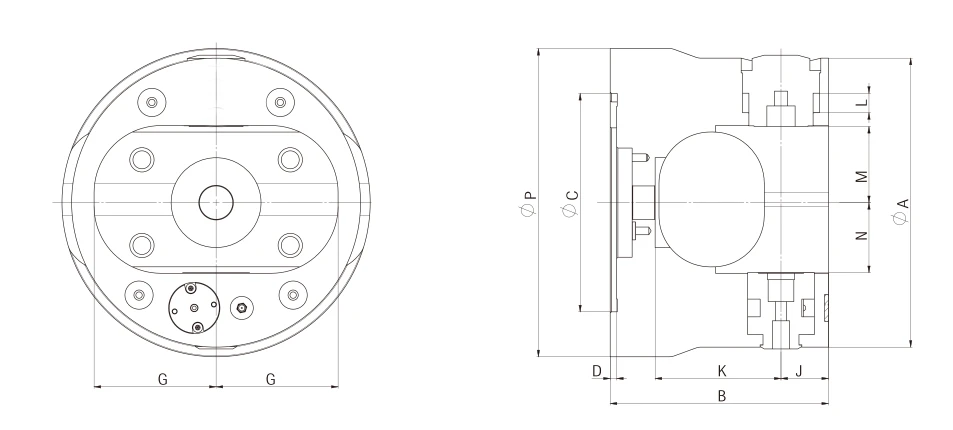
Outline Dimensions
| Model | A | B | C | D | G | J | K | M | N | P |
|---|---|---|---|---|---|---|---|---|---|---|
| AC-168A/C | 168 | 142 | 140 | 3.5 | 68 | 35 | 70 | 38 | 37.5 | 190 |
| AC-203A/C | 203 | 158 | 140 | 5 | 82 | 36 | 82 | 48.3 | 43.5 | 216 |
| AC-225A/C | 225 | 170 | 170 | 5 | 95 | 37 | 95 | 59.3 | 54.5 | 240 |
| AC-256A/C | 256 | 187 | 220 | 5 | 105 | 42 | 105 | 61.5 | 60 | 276 |
| AC-305A/C | 305 | 212 | 220 | 5 | 130 | 45 | 130 | 86 | 84.5 | 330 |
| AC-400A/C | 400 | 278 | 300 | 8 | 175 | 58 | 175 | 118.5 | 114.5 | 427 |
| AC-500A/C | 500 | 332 | 380 | 8 | 215 | 58 | 225 | 160.8 | 156.5 | 500 |
Technical Specifications
| Model | Max Workpiece (mm) | Max Clamping (kN) | Stroke L (mm) | Max Speed (rpm) | Spindle Nose | Through Bore (mm) | Net Weight (kg) |
|---|---|---|---|---|---|---|---|
| AC-168A/C | 136 | 10.6 | 9 | 3500 | A2-5 | 45 | 15 |
| AC-203A/C | 164 | 11.3 | 15.2 | 3000 | A2-5 | 45 | 24 |
| AC-225A/C | 190 | 11.3 | 15.2 | 2800 | A2-6 | 45 | 30 |
| AC-256A/C | 210 | 14.5 | 19.1 | 2500 | A2-8 | 45 | 42 |
| AC-305A/C | 260 | 14.5 | 19.1 | 2200 | A2-8 | 45 | 61 |
| AC-400A/C | 350 | 31.4 | 27 | 1800 | A2-11 | 45 | 120 |
| AC-500A/C | 430 | 20.1 | 35 | 1200 | A2-11 | 45 | 173.5 |
Data arranged from the current KORRETTO AC Series reference material. Confirm final installation and selection against the approved project documentation.
Selection Notes
Start with the workpiece drawing, rotation envelope, clamping requirement, stroke, spindle nose and fixture space. Confirm that the workpiece and tooling remain clear throughout the full indexing path before selecting the final model.
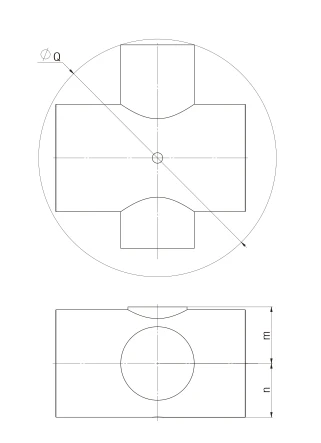
The chuck opening reference 2G must be larger than the maximum workpiece rotation envelope Q. Also review the required clearances between N and n and between M and m, together with tool interference and the machine enclosure.
KORRETTO Selection Tool
Indexing Chuck Selection Tool
Enter workpiece dimensions n, m and the maximum rotating envelope Q. Standard models are screened by 2G > Q, N - n ≥ 30 mm and M - m ≥ 30 mm. Q is the maximum envelope during rotation, not a one-side dimension.
KORRETTO Indexing Chuck Selection
Selection Process
Enter the three core dimensions to begin. This is a front-end selection display and does not call an external AI service.
Selection Results
Enter the three core dimensions to begin. This is a front-end selection display and does not call an external AI service.
AC Series FAQ
What is the AC Series indexing chuck used for?
The AC Series is KORRETTO's standard hydraulic indexing chuck range for workpieces that require multiple angular machining positions in one setup. It combines hydraulic clamping with automatic indexing and is commonly used for valve bodies, fittings, cross shafts, yoke parts and other components with multiple intersecting or angular features.
What indexing configurations are available on the AC Series?
Standard AC Series configurations support automatic 8×45° and 6×60° indexing. The chuck mechanically positions the workpiece at each programmed angle so multiple features can be machined without removing and re-clamping the part.
What information should I provide for model selection?
Please provide the workpiece drawing or 3D model, material, workpiece envelope, clamping position, machining locations, required indexing angles, machine model, spindle nose, available hydraulic configuration, fixture requirements and target cycle time. Tool clearance and the full indexing path should also be checked before the final model is selected.
How accurate is the AC Series?
According to the current AC Series specification, indexing accuracy is 1′ and positioning repeatability is less than 0.01 mm. Actual machining accuracy also depends on the fixture, workpiece condition, machine spindle, cutting process and installation.
How quickly can the fixture be changed?
The plug-in fixture interface is designed for fast changeover. Standard AC Series documentation specifies approximately one minute for fixture replacement under suitable setup conditions. Actual changeover time depends on the fixture and workpiece configuration.
Is the AC Series fully sealed?
Yes. The AC Series uses a fully sealed structure designed to help isolate the internal indexing mechanism from chips, coolant and dust.
Can the AC Series be used with automated loading?
Yes, depending on the fixture and machine layout. Robot loading can be integrated when sufficient loading clearance, workpiece positioning, clamp confirmation, indexing confirmation and CNC / PLC I/O signals are available. For applications that prioritize front-access automation, the FAC Series should also be evaluated.
Can position detection and alarm monitoring be added?
Yes. Optional indexing-position detection and jam-alarm functions can be configured to verify that the positioning rod has reached the required indexed position before machining continues.
What is the optional floating extension pin used for?
The optional floating extension pin can assist with workpiece positioning where a conventional fixed locating surface is difficult to use. The final locating arrangement must be designed according to the workpiece geometry and machining clearance.
Need an AC Series model and machine-interface check?
Provide the workpiece drawing, spindle interface, clamping position, indexing angles and automation requirements.