Customer Case: Valve Machining
This customer valve machining case shows how an indexing chuck can be used when a valve body needs stable clamping and repeatable angular positioning. The main value is not simply rotating the workpiece. The process also depends on the datum, jaw contact, cutting direction, tool clearance and whether the part family can be machined in a repeatable sequence.
Video Overview
The video shows a valve machining application using an indexing chuck. Valve bodies often require operations on more than one face or port. If the part is removed and manually reoriented several times, setup time and positioning variation may increase.
An indexing chuck can reduce repeated manual orientation by holding the part in one clamping system and rotating it to defined positions. This can be useful for batch production where the same valve body or similar part family is machined repeatedly.
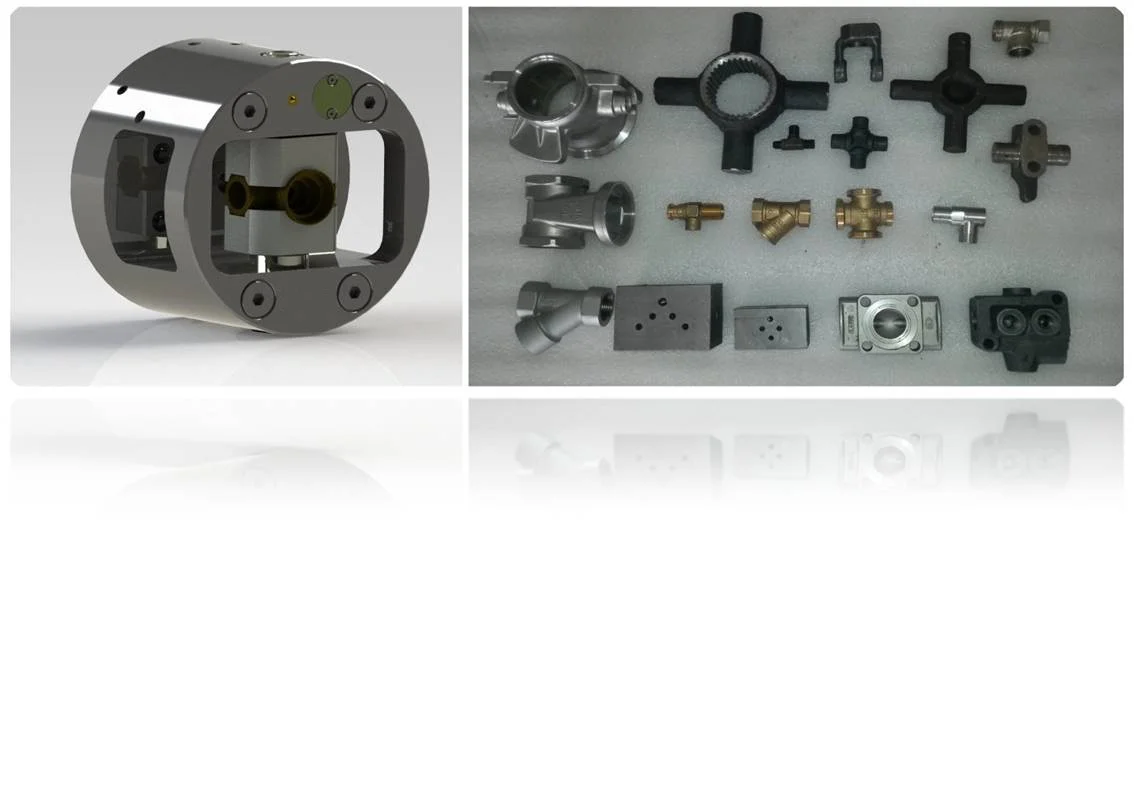
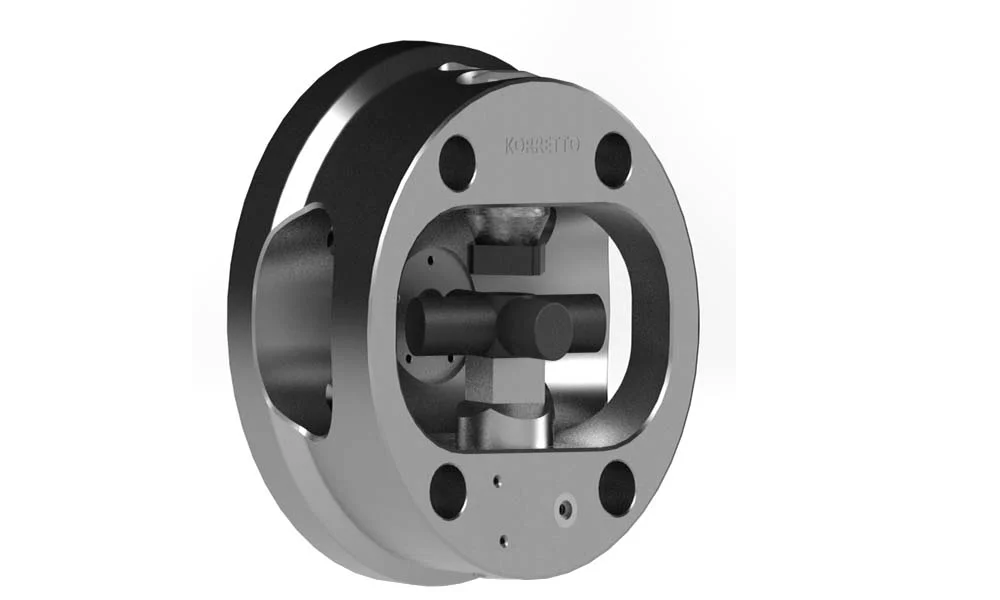
Application Context
In a valve machining case, the first question is usually not which chuck is used. The first question is how the valve body should be located. The workpiece may have a bore, flange, port or machined face that can serve as a datum. Once the datum is defined, the workholding design must confirm whether the jaws can support the part during cutting.
Important checks include:
- the main datum surface or datum bore;
- the port direction that must face the tool;
- the number of machining positions;
- the required indexing angle;
- the jaw contact area;
- the cutting force direction;
- the tool clearance around the chuck and workpiece;
- the chip removal path.
If these points are not clear, the chuck selection may be incomplete.
How the Indexing Chuck Helps
The indexing chuck allows the workpiece to be rotated to defined angular positions. This can help maintain a more consistent relationship between several machining directions. For valve bodies, this may reduce the need for repeated manual repositioning.
The chuck must also lock securely before cutting. The indexing movement is only useful when the clamping and locking process can support the machining load. The jaws or contact surfaces should be matched to the valve shape, especially when the body is cast, non-round or has sensitive surfaces.
Suitable Applications
This type of setup is suitable for valve bodies with repeated geometry, defined machining angles and enough batch quantity to justify a repeatable process. It can also be useful when the customer wants to improve consistency between operators or reduce the number of manual setup steps.
It is less suitable for one-off parts, highly variable castings, unstable datum surfaces or parts where no reliable jaw contact area is available. In those cases, a dedicated fixture, a different chuck or another machining route may be more appropriate.
What Can Be Transferred from This Customer Case?
| Case observation | What it supports | What it does not prove |
|---|---|---|
| The part remains in one indexing workholding system | Repeated manual orientation may be reduced for a stable part family | Every valve body can use the same jaw or datum layout |
| Several machining directions are presented to the tool | A defined index sequence can organize multi-face operations | The required angular tolerance is achieved on another machine or part |
| Jaw contact is workable for the demonstrated casting | The shown geometry can be reviewed for chuck-based support | Different casting variation, allowance or sealing surfaces are automatically safe |
| The demonstration completes an operating sequence | The concept is suitable for further process validation | Cutting load, cycle time or production capability without an actual trial |
Selection Notes
For a valve workholding review, provide the part drawing, material, casting condition, machining sequence, datum requirements, port directions, tolerance targets, batch size and machine model. If the project involves automation or heavy interrupted cutting, provide the loading method, cutting direction and planned cycle requirements as well.
The review should also confirm whether the case represents one stable part family or several similar valves with small geometry changes. That distinction affects jaw design, indexing sequence and whether one setup can cover the expected production range.
Related Workholding Pages
For related workholding options, see the KORRETTO indexing chuck series and application-specific power chucks. For a broader method comparison, see Three Typical Machining Methods for Valve Workpieces, and for valve industry context, see Indexing Chuck in the Valve Industry.
FAQ
What does this valve machining case demonstrate?
It demonstrates how an indexing chuck can support repeatable clamping and angular positioning for a valve body machining process.
Why use an indexing chuck for valve bodies?
An indexing chuck may reduce repeated manual repositioning when the valve body needs machining from several defined directions.
What should be checked before selecting the chuck?
The datum, jaw contact, indexing angles, cutting direction, tool clearance, machine interface and batch requirements should be checked.
When is this setup not suitable?
It may not be suitable for one-off parts, highly irregular castings, unstable datum surfaces or workpieces that cannot be supported safely by the jaws.
What information should be provided for a valve workholding review?
A drawing, material, machining sequence, port directions, tolerance requirements, datum surfaces, batch size and machine model are recommended.