Indexing Chuck in the Valve Industry
In the valve industry, an indexing chuck is considered when a valve body, tee, elbow or multi-port component needs stable clamping and repeatable angular positioning. It is not a universal replacement for every fixture. Its value depends on whether the part geometry, machining sequence and cutting load can be matched to a repeatable indexing and locking process.
Video Overview
This video shows the use of an indexing chuck in valve-related machining. Valve components often require operations on multiple faces or ports. Standard clamping can be effective for simple round parts, but valve bodies and fittings may require controlled orientation between machining steps.
The indexing chuck provides a way to rotate the workpiece to defined angular positions while keeping it in a clamping system. This can help reduce repeated manual setup and make the process more consistent for batch machining.
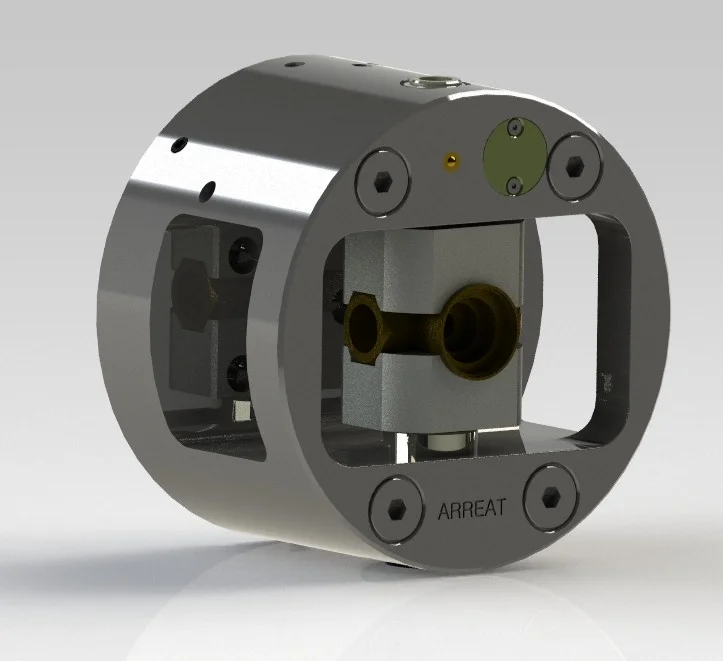
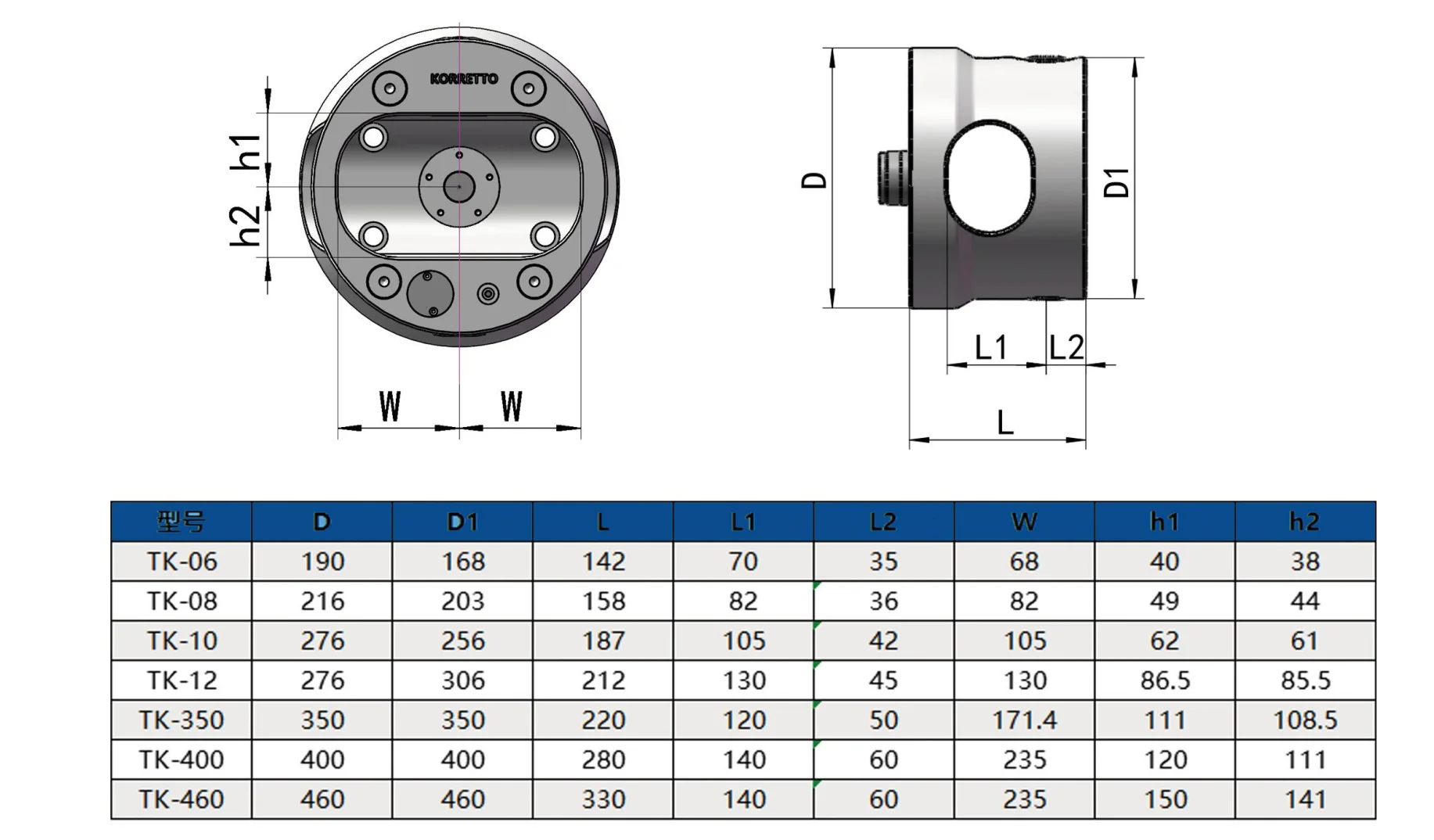
Why Valve Parts Need Special Workholding
Valve industry parts are often more complex than simple shaft or disc workpieces. Common parts include valve bodies, tee fittings, elbows, multi-port blocks and other components with intersecting flow paths. These shapes may require machining on several directions while maintaining the relationship between ports, faces and sealing areas.
A workholding review should consider:
- How the part is located before clamping
- Which port or face is the primary datum
- Whether the jaw contact area is strong enough
- Whether cutting force pushes the part into or away from the support
- Whether the indexing angle matches the machining sequence
- Whether the tool path has enough clearance
- Whether chips and coolant can be cleared from the clamping area
If these points are not reviewed, the indexing function alone cannot guarantee a stable process.
Where Indexing Chucks Are Useful
Indexing chucks are useful when the same part or part family is machined repeatedly and the angular positions are known. A valve body may require machining on several faces. A tee fitting may require aligned operations on different ports. An elbow may need a controlled angular orientation to make the machining direction accessible.
In these cases, the indexing chuck can reduce repeated manual repositioning. It can also help the operator or automation system follow a more consistent process from part to part.
Relationship with Other Valve Machining Methods
Valve parts can also be machined with double-spindle lathes, dedicated multi-face machines, rotary tables or custom fixtures. The right choice depends on production volume, required accuracy, part geometry and available machine layout.
An indexing chuck is usually considered when the customer wants to keep the workpiece in a chuck-based system while adding angular positioning. It may be more practical than a full dedicated machine for some part families, but it still requires application review.
Suitable and Less Suitable Applications
Suitable applications include repeated valve body machining, tee fittings, elbows, multi-port components and batch production where angular positions are consistent.
Less suitable applications include one-off parts, unstable castings, large asymmetric parts, severe interrupted cutting without enough support, or workpieces where the required datum changes at each operation.
Indexing Chuck or Another Valve-Machining Route?
| Production condition | Indexing-chuck fit | Alternative to review |
|---|---|---|
| Repeated part family with fixed angular positions | Strong candidate when datum, jaw support and tool access are stable | Compare cycle and automation needs with a dedicated multi-face machine |
| One-off or repair work with changing geometry | Limited benefit unless a flexible jaw or fixture plan is available | Manual setup, rotary table or custom fixture |
| Large asymmetric valve body | Requires specific load, balance and machine-interface review | Dedicated fixture or machine with greater support capacity |
| Variable rough casting | Possible only when a repeatable datum and compensating support are defined | Compensating chuck, locator-based fixture or an earlier datum operation |
Information Needed for Review
For a valve industry application review, provide the workpiece drawing, material, casting condition, machining steps, required indexing angles, datum surfaces, tolerance requirements, batch size, machine model and hydraulic or pneumatic conditions. If automation is planned, also provide the loading direction and gripper concept.
Related Workholding Pages
For related workholding options, see the KORRETTO indexing chuck series, hydraulic auto indexing chuck, and application-specific power chucks. For a deeper comparison of valve machining routes, see Three Typical Machining Methods for Valve Workpieces.
FAQ
Why are indexing chucks used in valve machining?
They are used when valve parts require repeatable angular positioning, stable clamping and machining access from more than one direction.
What valve parts are suitable for indexing chuck workholding?
Valve bodies, tee fittings, elbows and multi-port parts may be suitable when their geometry and machining angles can be standardized.
What information is needed to review a valve workholding application?
A drawing, material, machining sequence, datum surfaces, required indexing angles, tolerance requirements, batch size and machine interface are recommended.
When is a standard chuck not enough for valve parts?
A standard chuck may not be enough when the part needs several angular positions, has difficult port orientation, or cannot be supported properly by standard jaw contact.
Can indexing chuck workholding reduce repeated manual setup?
Yes, in suitable batch applications it can reduce repeated manual repositioning by keeping the part in one clamping system and indexing it to defined positions.