Indexing Chuck Dynamic Balancing Test at 2000 RPM
This video shows an indexing chuck dynamic balancing test at 2000 RPM. The speed shown in the video should be treated as a demonstration condition, not as a universal operating limit for every chuck, jaw set or workpiece. Safe running speed depends on the chuck body, jaw mass, workpiece mass, balance condition, machine spindle, clamping method and cutting load.
Video Overview
The video demonstrates a rotating indexing chuck under a 2000 RPM balancing test condition. For any rotating workholding system, balance is an important part of machine safety and process review. An indexing chuck may be used for multi-angle machining, but it still rotates as part of the spindle system during turning or testing.
A balancing test helps check whether the rotating assembly can run smoothly under a defined condition. It does not automatically approve every possible setup. Once jaws, adapters, workpieces or clamping positions change, the rotating mass distribution can change as well.
Why Dynamic Balancing Matters
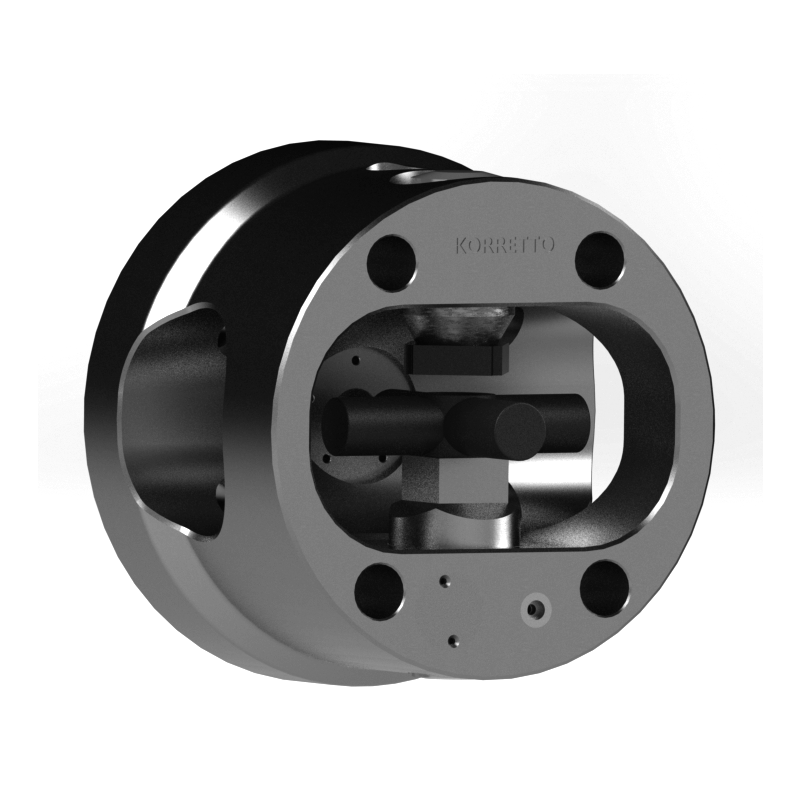
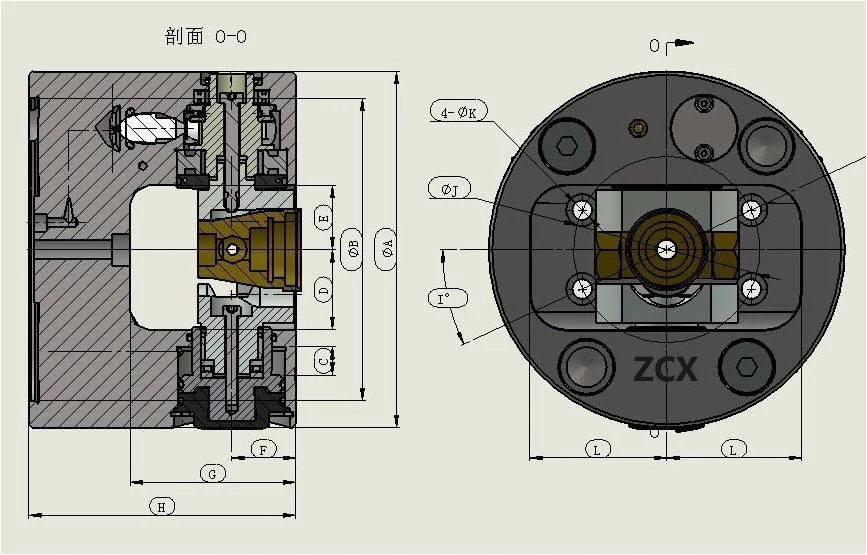
An indexing chuck can carry more complex structures than a standard chuck. It may include an indexing mechanism, locking components, special jaws and a non-round workpiece. These elements can affect rotating balance.
Poor balance may lead to vibration, noise, surface quality problems, faster spindle wear or safety concerns. In CNC turning, vibration can also affect tool life and measurement consistency. Therefore, balancing and speed review should be considered before high-speed use.
Important factors include:
- chuck body size and weight;
- jaw type and jaw mass;
- workpiece mass and shape;
- adapter or fixture plates;
- spindle speed range;
- locking condition before rotation;
- clamping force and contact area;
- machine enclosure and safety limits.
What 2000 RPM Means in This Case
The 2000 RPM condition in this video is a test or demonstration condition. It should not be copied directly to other projects without review. A smaller balanced setup may allow a different speed than a larger asymmetric workpiece. A heavy or irregular valve body may require a much lower speed than the demonstration.
For this reason, safe speed should be confirmed for the actual chuck, actual jaw set and actual workpiece. Machine limits, spindle interface and the customer's process conditions must be included in the review.
Suitable Applications
Dynamic balancing review is important for indexing chuck applications that rotate at higher spindle speeds, use non-standard jaws, carry asymmetric workpieces or operate in repeated production. It is also useful when a customer wants to confirm whether a chuck-based indexing solution can remain stable during rotation.
It is less critical for slow indexing-only operations where the chuck does not rotate at significant speed during cutting. However, even low-speed applications still require checking clamping stability and locking safety.
What the 2000 RPM Test Can and Cannot Confirm
| Test condition | What it can show | What still requires validation |
|---|---|---|
| Demonstrated assembly at 2000 RPM | Basic rotating behavior of that chuck configuration under the shown condition | Any other chuck, jaw, adapter, workpiece or spindle configuration |
| No-cut rotation | Whether obvious imbalance or vibration appears before machining load | Dynamic gripping force, interrupted cutting and tool-pressure response |
| Installed jaw set | Mass distribution for the jaws in their demonstrated position | Taller, heavier, extended or differently positioned jaws |
| Shown workpiece condition | Balance for the demonstrated mass and orientation | Asymmetric castings, part variation, trapped chips or coolant |
| Machine used for the test | Interaction with that spindle and mounting interface | The lower speed limit imposed by another chuck, cylinder, adapter or machine |
Selection Notes
For a rotating workholding review, provide the chuck size, spindle interface, jaw design, workpiece drawing, workpiece weight, material, target RPM, cutting load, indexing angles and machine model. If the workpiece is asymmetric or heavy, this should be stated before speed assumptions are made.
The review should also separate a no-cut rotation check from a machining process. Rotation without cutting load can show basic balance behavior, but actual production also includes tool pressure, interrupted cuts, coolant, chips and possible part variation. These conditions should be reviewed before the demonstration condition is used as a process reference.
Related Workholding Pages
For related solutions, see the KORRETTO indexing chuck series and hydraulic auto indexing chuck. For a broader introduction to powered CNC workholding, see What Is a Power Chuck?.
FAQ
What is dynamic balancing for an indexing chuck?
It is a check of the rotating chuck assembly under a defined condition to evaluate whether the setup runs smoothly without excessive imbalance.
Does 2000 RPM apply to every setup?
No. The 2000 RPM value in this video is a demonstration condition. Actual safe speed depends on the chuck, jaws, workpiece, spindle and application.
What affects safe running speed?
Chuck size, jaw mass, workpiece weight, workpiece shape, adapter plates, spindle interface, balance condition and machine limits all affect safe speed.
What should be checked before high-speed use?
The actual chuck assembly, jaw design, workpiece mass, clamping condition, balance, machine enclosure and target RPM should be reviewed.
Is balancing the same as cutting approval?
No. A balancing test checks rotating behavior. Cutting approval also requires reviewing clamping force, cutting load, tool direction and workpiece support.