Indexing Chuck Machining Diaphragm Valves
Diaphragm valve machining requires stable workholding because the valve body may include non-round surfaces, sealing areas and several machining directions. An indexing chuck can be considered when the workpiece needs repeatable angular positioning, but the clamping surface, sealing area protection and cutting force support must be reviewed before selection.
Video Overview
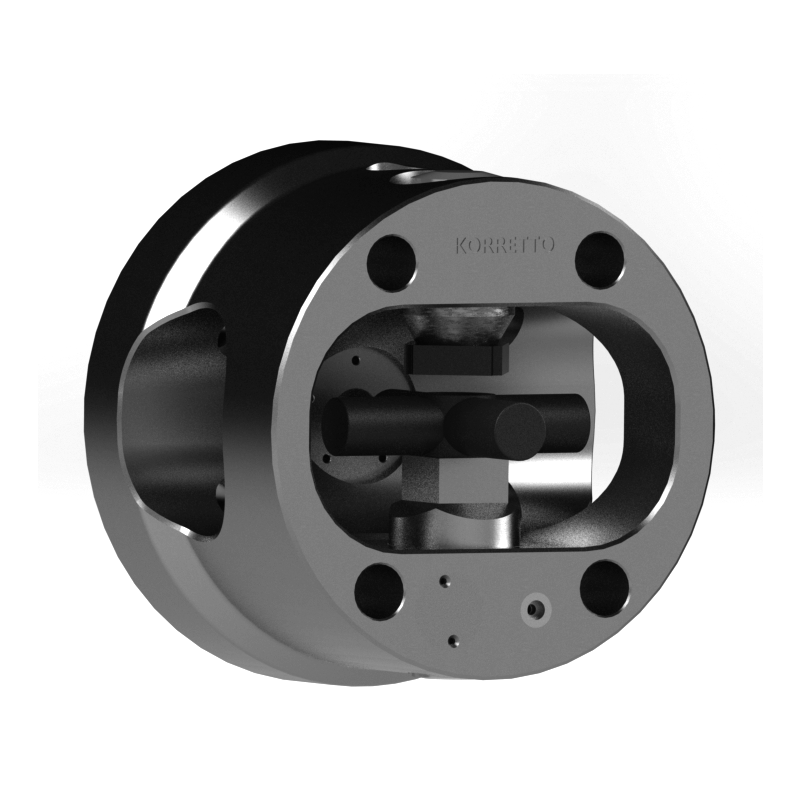
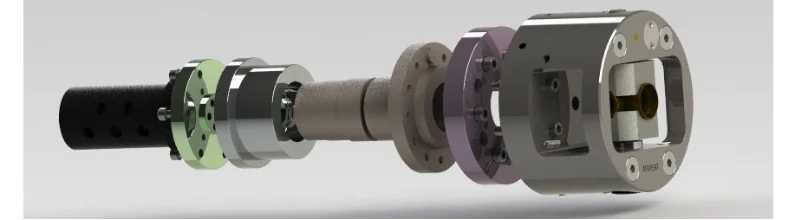
This video shows an indexing chuck used for diaphragm valve machining. Diaphragm valves often have body shapes that are not as simple as round shafts or discs. The workpiece may include port openings, sealing surfaces, cover mounting areas and non-round external geometry.
In this type of application, the chuck must do more than hold the part. It needs to locate the valve body, support the cutting direction, allow access to the machining area and maintain a repeatable angle between operations.
What Is Different About Diaphragm Valve Workholding?
A diaphragm valve body may have surfaces that must not be damaged during clamping. The sealing area and contact surfaces can be important to the final function of the part. If the jaws contact the wrong area, or if the clamping force is concentrated on a small surface, the process may create marks or instability.
The workholding review should consider:
- which surface or bore is used as the datum;
- where the jaws can safely contact the body;
- whether the sealing area must be protected;
- how the cutting force is supported;
- whether the tool can reach each machining area;
- whether the indexing angle matches the machining sequence.
For non-round valve bodies, custom jaws or dedicated contact surfaces may be needed.
How Indexing Can Help
An indexing chuck can position the diaphragm valve body at defined angular locations. This can help reduce repeated manual repositioning and make the machining sequence more consistent. The same clamping system can be used while the part is rotated from one machining direction to another.
This is useful when the part family has repeated geometry and the required angles are known. It can also help when operators need a more controlled way to machine multiple faces or ports on the same valve body.
Suitable Applications
This setup is suitable for diaphragm valve bodies with repeatable geometry, defined angular positions and enough safe jaw contact area. It is also useful for batch production where the same part or similar part family is machined repeatedly.
It may be less suitable for one-off parts, highly irregular castings, very delicate sealing surfaces, or workpieces where the available clamping area cannot support the cutting load. In such cases, a dedicated fixture or a different workholding method may be needed.
Diaphragm Valve Surface Protection Table
| Valve-body feature | Workholding requirement | Risk if ignored |
|---|---|---|
| Diaphragm sealing area | Keep jaw and locator contact away from the functional sealing surface | Local marking or distortion can affect the sealing interface |
| Non-round cast body | Use a defined datum and contact geometry rather than appearance alone | Uneven contact changes location and clamping response between parts |
| Multiple ports and cover face | Map each tool direction and locked index position before jaw design | A valid clamp position can still block a later machining operation |
| Thin or sensitive wall section | Distribute support and confirm the required clamping input by trial | Concentrated force may deform the body before or during cutting |
Selection Notes
Before selecting an indexing chuck for diaphragm valve machining, provide the drawing, material, valve body size, sealing surface locations, datum surfaces, required angles, machining sequence, cutting direction and tolerance requirements. If the sealing area is sensitive, the clamping surface and jaw material should be reviewed carefully.
The review should also identify which surfaces are functional and which surfaces can be used for support. For diaphragm valves, this distinction matters because the easiest surface to grip may not be the safest surface to contact during machining. That decision should be made before jaw geometry is finalized.
Related Workholding Pages
For related valve workholding options, see the KORRETTO indexing chuck series, hydraulic auto indexing chuck and application-specific power chucks. For a broader industry overview, see Indexing Chuck in the Valve Industry.
FAQ
What is different about diaphragm valve machining?
Diaphragm valve bodies may have non-round geometry, sealing areas and multiple machining directions, so the clamping method must be reviewed carefully.
Why is stable workholding important for diaphragm valve bodies?
Stable workholding helps maintain datum consistency, tool access and support against cutting force while reducing the risk of unwanted movement.
Can an indexing chuck protect sealing surfaces?
The indexing chuck itself does not automatically protect sealing surfaces. Jaw design, contact location and clamping force must be selected to avoid sensitive areas.
What should be checked before machining diaphragm valves?
The datum, sealing areas, jaw contact surface, indexing angles, cutting direction, tool clearance and tolerance requirements should be checked.
When should a dedicated fixture be considered instead?
A dedicated fixture should be considered when the valve body is highly irregular, the sealing area is too sensitive, or the available jaw contact cannot support the load.