Indexing Chuck for Multi-Angle Workpieces Like Valves, Tees, and Elbows
Valves, tees and elbows are difficult to machine because their ports, faces and machining directions are not always aligned with a single turning axis. An indexing chuck can be considered when the part needs stable clamping and repeatable angular positioning in one setup. The key is to confirm the datum, port direction, cutting load, tool access and locking rigidity before selecting the chuck.
Video Overview
This video demonstrates an indexing chuck used for multi-angle workpieces such as valve bodies, tee fittings and elbow components. These parts often require machining from more than one direction. If the workpiece is removed and re-clamped for each direction, positioning error and setup time can increase.
An indexing chuck is designed to reduce repeated manual orientation by holding the part and rotating it to defined angular positions. Once the desired angle is reached, the chuck or indexing mechanism must lock firmly before cutting begins.
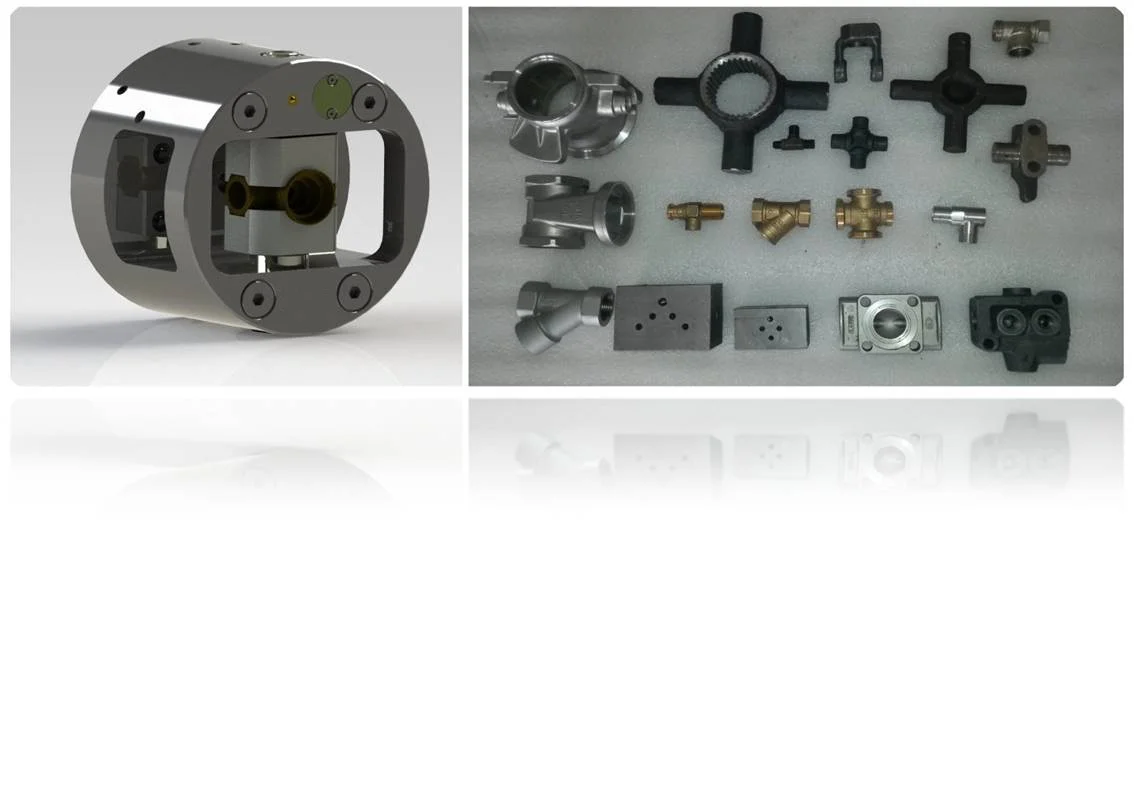
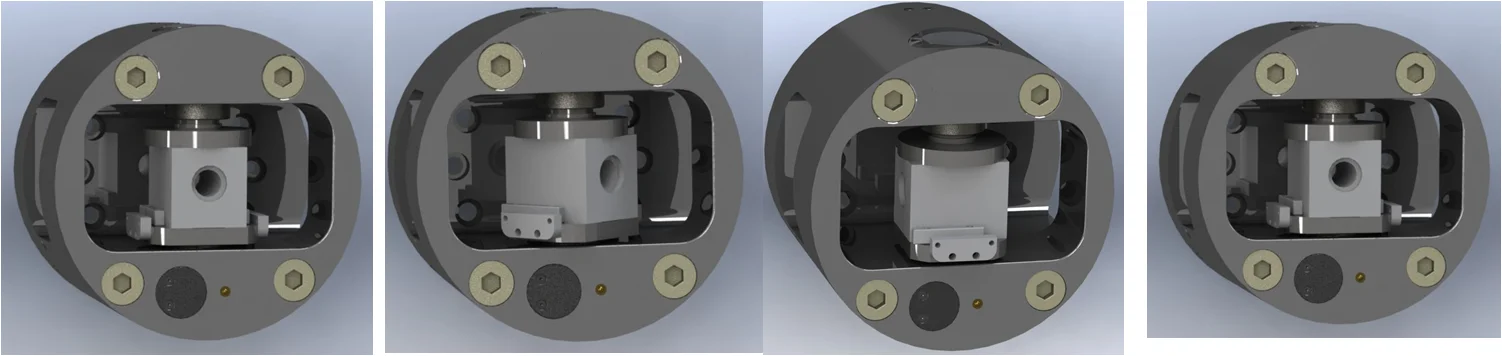
Why Valves, Tees and Elbows Are Challenging
Valve and pipe-fitting parts usually have several machining references. A valve body may require machining on multiple ports. A tee fitting may require operations on three intersecting directions. An elbow may have curved or angled geometry that makes standard three-jaw clamping less stable.
For these parts, the workholding problem is not only "how to clamp the outside shape." The fixture must also answer:
- Which surface or bore is the primary datum?
- Which port direction must face the tool?
- How much angular accuracy is required?
- Where can the jaws support the cutting force?
- Can the tool reach the machining area without collision?
- Will chips collect around the clamping area?
These questions determine whether an indexing chuck is suitable.
How an Indexing Chuck Helps
A suitable indexing chuck can hold the part in one clamping system and rotate it to multiple defined positions. This can help reduce repeated setup, improve angular consistency and make the machining sequence easier to control.
For example, one side of a valve body may be machined first, then the chuck indexes to another position for a second port or face. The part remains in the same workholding system, which can reduce the number of manual positioning steps. For production batches, this can make the process easier to repeat.
Suitable Applications
This type of solution is most useful for parts with repeated geometry and defined angular positions. It can be considered for valve bodies, tees, elbows, multi-port fittings and other parts that require machining on several sides.
It is also useful when the customer wants to reduce manual repositioning, improve process consistency, or combine several operations in a more controlled setup. The best results usually come when the part family is stable and the machining angles can be standardized.
When Not to Use an Indexing Chuck
An indexing chuck is not suitable for every valve or fitting. If the part shape varies significantly, the casting surface is too irregular, the cutting force cannot be supported by the available jaw contact area, or the required tool path conflicts with the chuck body, another fixture may be needed.
Very large, heavy or highly asymmetric parts may require a special fixture, a rotary table, or a dedicated machine setup instead of a standard indexing chuck.
How the Workpiece Type Changes the Indexing Review
| Workpiece | Primary locating question | Typical indexing need | Main rejection risk |
|---|---|---|---|
| Valve body | Which bore, flange or machined face controls the port relationship? | Several defined port or face directions in one clamping system | Sealing surfaces or irregular casting areas cannot provide safe jaw support |
| Tee fitting | Which of the three intersecting axes is the primary datum? | Repeatable presentation of multiple branches to the tool | Jaw or tool interference around the third branch |
| 90-degree elbow | Can a port bore or end face locate the curved body consistently? | Controlled change between the two port directions | Insufficient contact on the curved or variable casting surface |
Selection Checklist
Before selecting an indexing chuck for multi-angle workpieces, confirm:
- Workpiece drawing and 3D model
- Datum surface or datum bore
- Required indexing angles
- Number of machining directions
- Cutting force direction
- Available jaw contact area
- Tool clearance and spindle access
- Hydraulic or pneumatic supply conditions
- Batch size and changeover frequency
Related Workholding Pages
For related solutions, see the KORRETTO indexing chuck series and hydraulic auto indexing chuck. For a comparison of valve machining methods, see Three Typical Machining Methods for Valve Workpieces.
FAQ
Why are valves, tees and elbows difficult to clamp on a lathe?
They often have multiple ports, angled faces or irregular outer shapes, so the machining direction and clamping datum may change during the process.
When should an indexing chuck be considered for multi-angle workpieces?
It should be considered when the part requires repeated angular positioning and stable clamping in one setup or in a controlled production sequence.
What should be confirmed before selecting an indexing chuck?
The drawing, datum, indexing angles, cutting direction, jaw contact area, tool clearance, machine interface and hydraulic or pneumatic conditions should be confirmed.
Is an indexing chuck suitable for every valve body?
No. Some valve bodies are too irregular, too heavy or too difficult to support with standard jaw contact. These cases may need a dedicated fixture.
How is this different from using a rotary table?
A rotary table positions the workpiece or fixture by table rotation, while an indexing chuck is a chuck-based workholding unit designed around clamping and angular positioning.