Custom Diaphragm Collets for a Machine Tool Builder: Accuracy Within 0.005 mm
A new batch for a machine tool builder
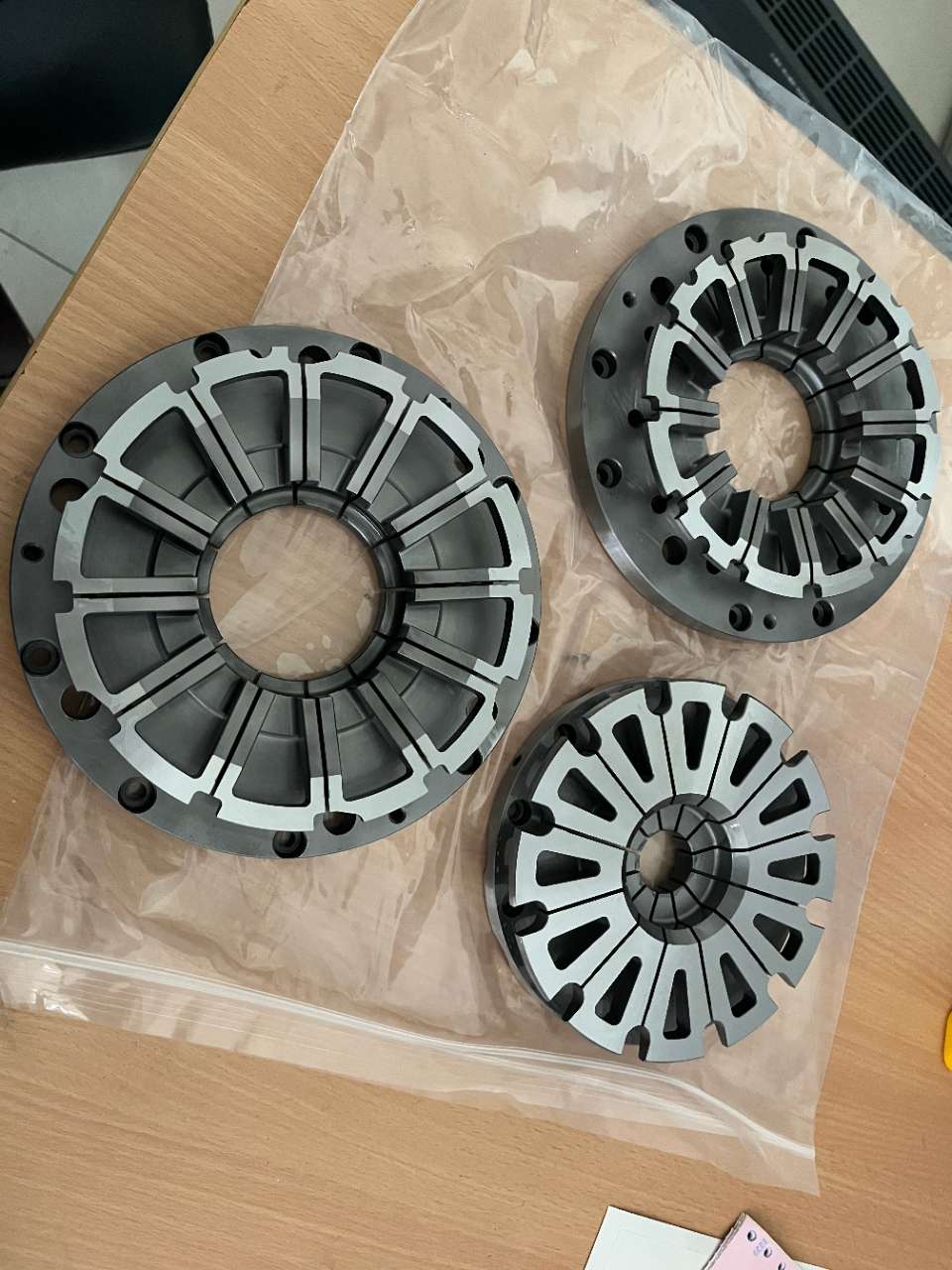
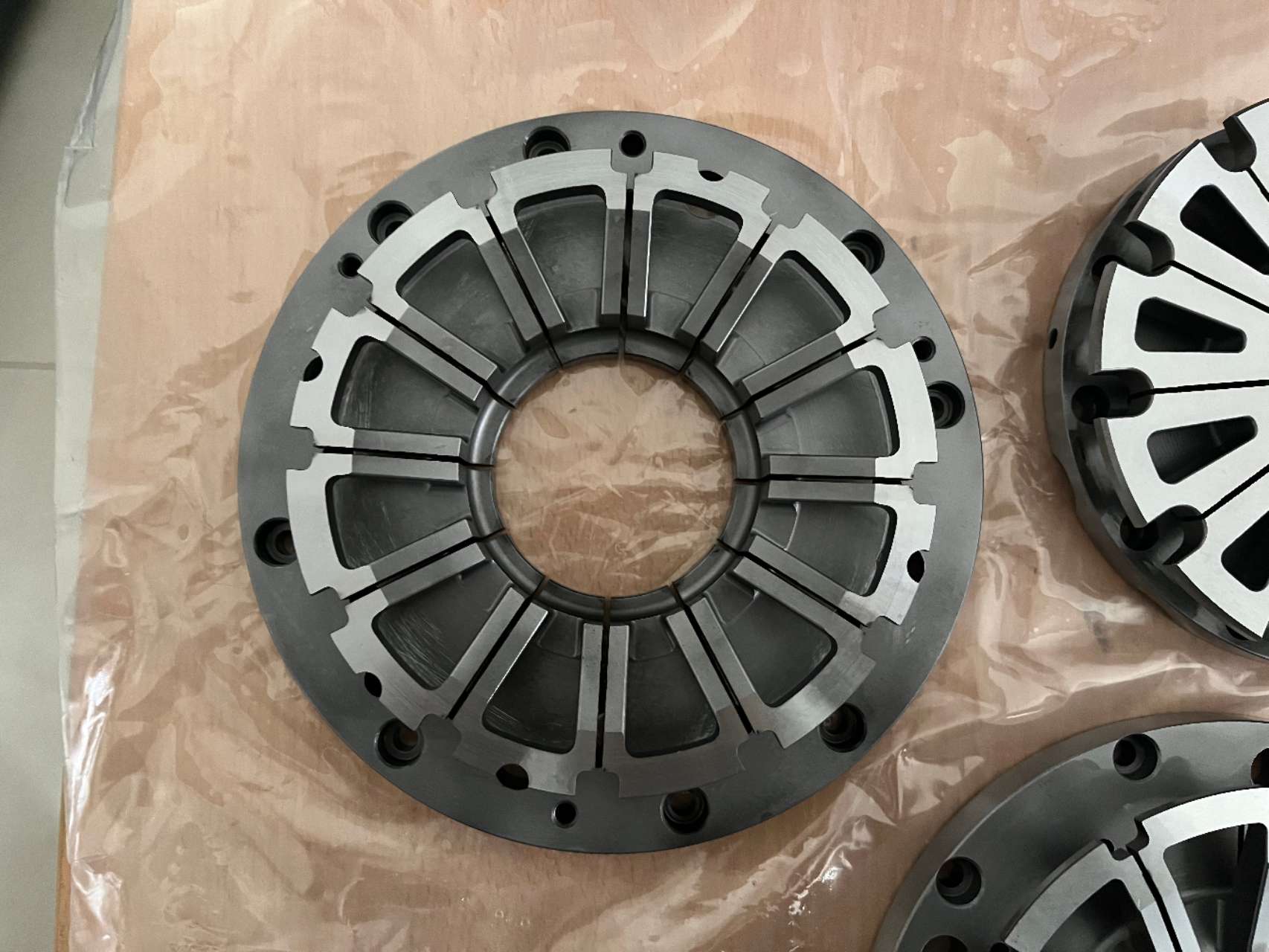
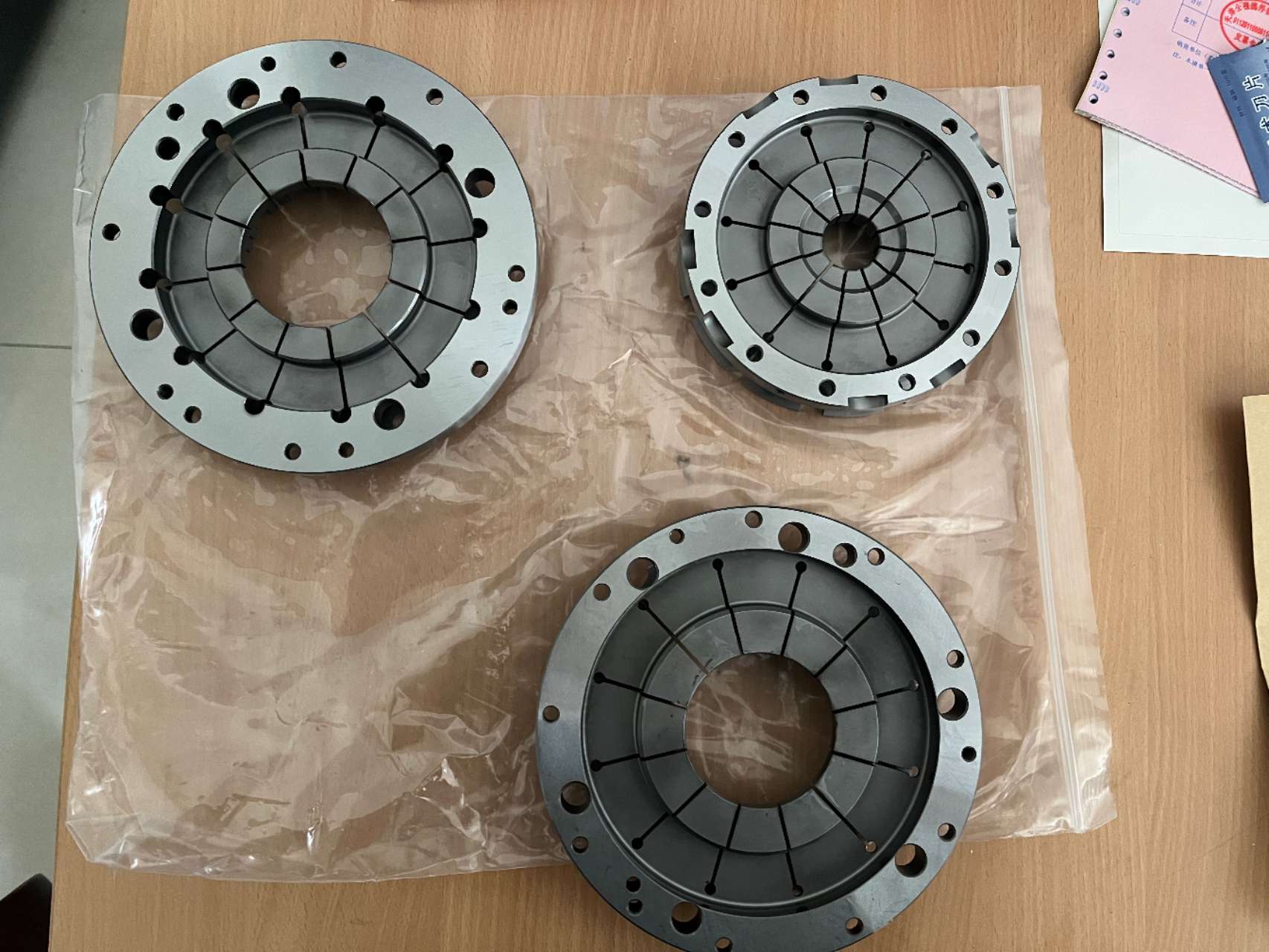
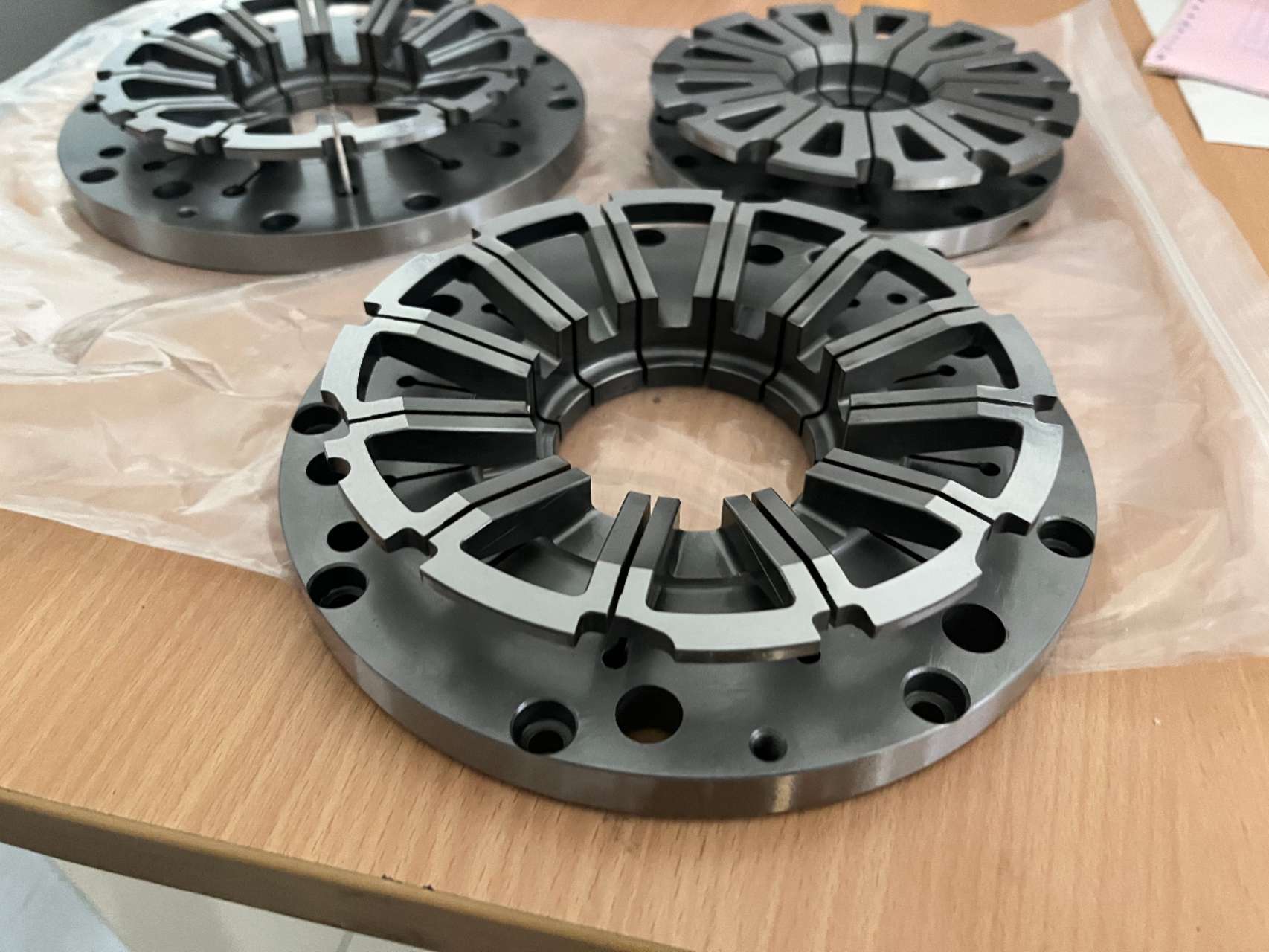
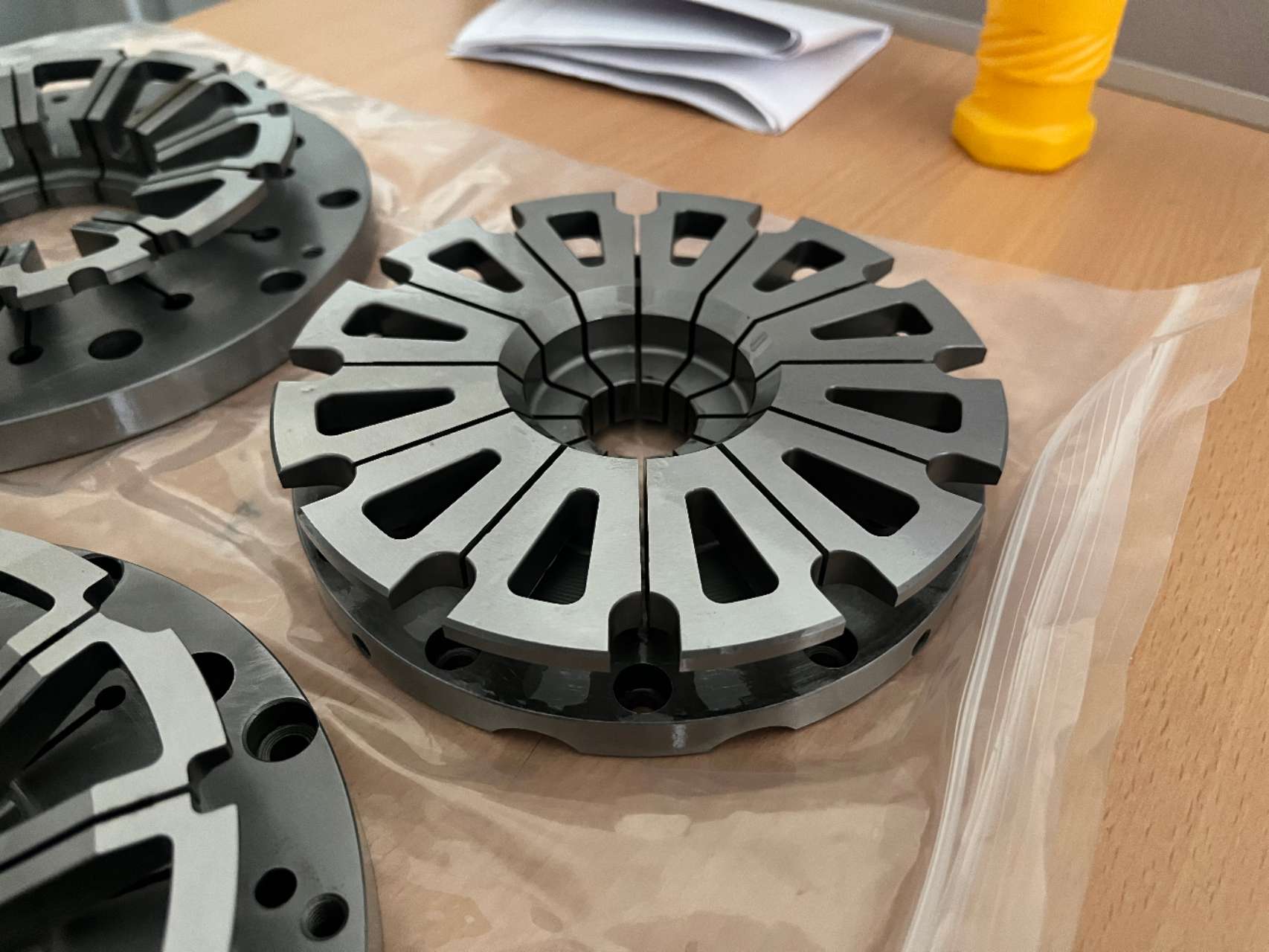
We have just produced this batch of custom diaphragm collets for a machine tool builder. Accuracy for this batch is within 0.005 mm, or 5 μm. The five photos show the different bores, radial segments and mounting details.
The collet contacts the workpiece. The matching chuck provides the mounting and actuation. We start with the gripping position, contact length and chuck interface, then design the collet around them.
How a diaphragm chuck grips the part
A diaphragm chuck uses the elastic deformation of a metal diaphragm to open and close its gripping elements. The actuator applies a load. The diaphragm flexes slightly and changes the gripping diameter. Opening and closing take place within the elastic range.
The photographed collets have several gripping segments around the circumference. Slots and elastic sections allow the segments to move with the flexing structure. An external type grips the outside diameter. An internal type expands in the bore. The workpiece locating datum determines which direction to use.
In our diaphragm collet chuck with an integrated pneumatic cylinder, the cylinder actuates the diaphragm and matching collet. The diaphragm collet is the replaceable gripping element in this system.
High accuracy through controlled elastic movement
Accuracy for this custom batch is within 0.005 mm. Elastic flexing opens and closes the gripping structure, reducing reliance on clearance in sliding fits. Several segments contact the part around its circumference and help it centre consistently.
During machine assembly, clean the collet mounting face, workpiece locating surfaces and axial stop. Keep the gripping position and actuation settings consistent so each loading cycle uses the same locating arrangement.
Why it suits thin-walled parts
Thin sleeves, rings and bearing sleeves can distort under concentrated clamping loads. A diaphragm collet distributes contact through several segments around the part. This helps control local squeezing and reduce the effect of clamping on roundness.
We consider wall thickness, contact length and clamping force together. The gripping surfaces follow the part shape and avoid weak areas that should not carry the load. When the outside diameter needs machining, an internal-expanding design can grip from the bore.
Use in dusty machining conditions
Diaphragm workholding can be used in dust-heavy processes such as grinding. Its opening and closing movement mainly comes from elastic flexing. This reduces reliance on sliding guides for the clamping movement.
Workpiece contact and locating surfaces still need regular cleaning. Remove dust and chips during part changes so particles do not sit beneath the part. The machine builder can include dust protection, chip removal and access for cleaning in the equipment design.
What we need for a custom collet
Send the workpiece drawing with gripping diameter, tolerance, wall thickness and available contact length. Identify external gripping or internal expansion, and mark the axial locating face.
Include the matching chuck model, mounting interface, actuation method, machining operation and accuracy requirement. For grinding or dusty equipment, explain where the dust comes from and how it is removed. We can then design the gripping surfaces, elastic sections and mounting details around the actual part.